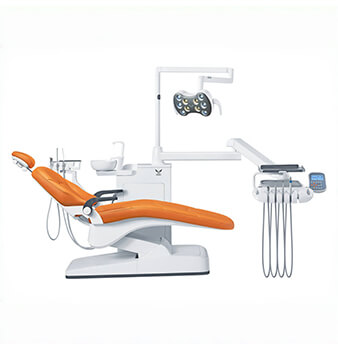
A dental chair HS code cannot be selected reliably from the words dental chair alone. For a U.S. import, the decisive facts are what the merchandise is, which dental functions are incorporated, how the goods are presented at entry, and whether components arrive as a complete unit or as separate parts.
A basic adjustable chair, a chair integrated with dental appliances, and a shipment of replacement components may lead to different classification analyses. Importers should therefore treat any code found in a supplier invoice, trade database, or search result as a candidate for review, not a universal answer.
The practical objective is not to make purchasing staff act as customs attorneys. It is to give the customs broker or other qualified advisor an accurate, model-specific evidence pack before the commercial invoice and entry documents are finalized.
That process reduces contradictions between the RFQ, pro forma invoice, packing list, photographs, and broker instructions.

U.S. classification research for this product family often begins around heading 9402, covering certain medical and dental furniture, and heading 9018, covering instruments and appliances used in dental sciences. The boundary matters.
A historical CBP ruling classified one dental-chair model with an incorporated cuspidor and other dental elements in heading 9018, while a model with only a light on a swing pole went to heading 9402.
The same ruling declined to classify other models because their functions and drawings were not clear enough. That is a useful lesson about evidence, but it is not a standing code for every modern dental unit.
Before comparing classifications, define where the ordered model sits within the supplier’s dental unit product range. Then separate the merchandise into three working identities:
| Working identity | Questions for the importer | Evidence to collect |
| Basic dental chair | Does it position the patient without incorporated dental appliances? Is a light the only attached clinical item? | Photos from all sides, chair functions, attached items, model sheet, and packing presentation |
| Complete treatment unit | Are a cuspidor, delivery instruments, suction controls, water or air functions, or other dental appliances incorporated? | Annotated assembly drawing, module list, functional descriptions, ordered options, and assembled condition |
| Separately shipped parts | Are the goods identifiable parts, general-purpose components, optional accessories, or service consumables? | Part number, material, function, dedicated use, parent model, quantity, and separate packaging |
Do not assume that every item associated with a dental chair follows the finished unit. Separately presented parts can require their own analysis. A component’s commercial name may be insufficient when the same name could describe a general-purpose valve, hose, lamp component, motor, cover, or dedicated dental-unit assembly.
The strongest classification file explains the merchandise without relying on marketing shorthand. Prepare one controlled description for each model and configuration in the shipment. It should identify the product’s principal function, the modules physically incorporated at import, how those modules work together, the condition in which the unit is packed, and which optional or spare items appear on separate lines.
Give the reviewer visual evidence. Use an annotated photograph or drawing that names the patient chair, dental light, delivery area, cuspidor or rinse assembly, suction controls, foot control, utility connections, and any other ordered module.
If an option is not present, say so. If several cartons form one ordered unit, show the carton-to-model relationship. CBP’s request for functions and annotated images in an earlier ruling demonstrates why a bare list of feature names may not resolve the issue.
Keep this customs file separate from broader supplier, payment, and logistics due diligence. Those adjacent controls are covered in the broader dental chair importer checklist, while the classification pack should stay focused on the merchandise presented at entry.
First, review the current Harmonized Tariff Schedule of the United States on the USITC site. Read the heading and subheading language together with applicable section or chapter notes; do not rely on an old code copied from a shipment record. National tariff extensions and trade measures can change even when the international six-digit structure appears familiar.
Second, search CBP CROSS for rulings involving merchandise with comparable functions and presentation. A ruling is most useful when its facts match the proposed transaction. Note the date, exact configuration, reasoning, and whether it has been modified or revoked. Similar words in a title do not make two products legally identical.
Third, give the evidence pack to a licensed customs broker or other qualified trade professional. When the financial exposure or factual uncertainty is material, consider a prospective binding ruling through CBP’s eRulings process. Ask the advisor to record the reasoning used, not only the final number. That record supports consistent treatment across later orders with the same verified configuration.
Customs classification is only one U.S. import workstream. Product registration, establishment obligations, labeling, and quality-system controls require their own review. Procurement teams assessing a manufacturer can use the 2026 U.S. supplier-audit considerations to organize that separate discussion. A tariff decision does not establish FDA compliance, and FDA status does not determine an HTS classification.
A correct analysis can still become difficult if trade documents describe the same goods differently. Freeze a controlled product description when the configuration is approved. Carry the model number, principal identity, included modules, quantity, and option status from the purchase order into the pro forma invoice, final commercial invoice, packing list, and broker instructions.
Avoid vague invoice lines such as dental equipment, medical chair, accessories, or spare parts. They do not tell a reviewer what the goods do. For separate parts, use the part number, specific description, function, material where relevant, and compatible parent model. Do not group unrelated service items under the finished unit merely to simplify paperwork.
Create a change-control step as well. If the buyer adds a cuspidor, delivery module, suction assembly, light, or separate spare-parts package after the first classification review, return the revised scope to the broker. The relevant facts may have changed even though the sales model name did not.
Gladent is a Foshan dental-equipment manufacturer with product categories that include floor-fixed, integral, hydraulic, implant, mobile-trailer, kids, and disinfection dental units. For a U.S. RFQ involving the GD-S450 floor-fixed dental unit, the buyer should use the exact ordered configuration as the customs-description starting point. The words floor-fixed identify a product category, but they do not by themselves establish the U.S. tariff treatment.
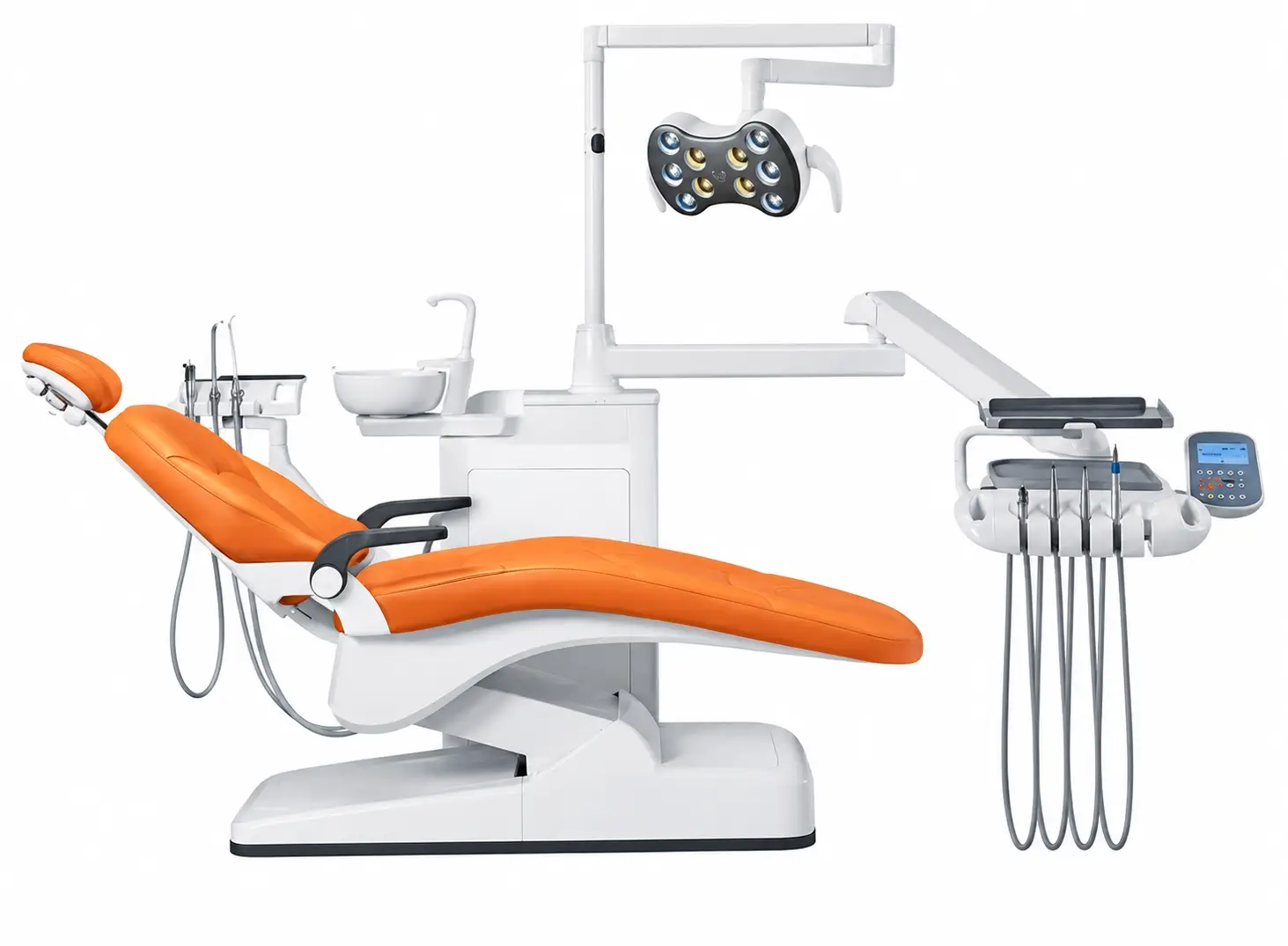
Ask Gladent to identify the modules in the quoted unit, distinguish standard scope from selected options, show how the unit will be divided among cartons, and list any service parts separately. Match the approved drawing, quotation, packing schedule, and invoice description before shipment.
This model-level record lets the broker assess the merchandise actually being imported without turning the product page into a customs conclusion. It also gives the distributor a reusable baseline for later orders: any configuration change can be compared against the approved file and escalated when necessary.
The safest dental chair HS code workflow is configuration-first and evidence-led. Distinguish a basic chair from an integrated treatment unit, describe separately shipped parts on their own facts, and verify the current U.S. tariff treatment before entry. Keep one controlled description across purchasing, shipping, and broker records.
For a model-specific quotation and documentation discussion, send Gladent your model-level RFQ with the destination market, ordered configuration, option list, and requested shipping documents. Obtain final classification advice from your customs professional before filing the entry.
No. A chair without incorporated dental appliances may follow a furniture analysis, while an integrated treatment unit may require analysis under heading 9018. The exact configuration and current HTS rules matter. A historical ruling or supplier code should not replace transaction-specific review.
Use it as a research input only. The U.S. importer remains responsible for reasonable care, and a supplier may be using another country’s tariff extension or a code for a different configuration. Have the proposed U.S. HTS classification reviewed before the invoice is finalized.
Not automatically. A separately imported part is classified on its own identity, function, material, dedicated use, and applicable legal notes. Give the broker the part number, parent model, photo, material, and function rather than the generic description dental chair part.
Consider it before import when the configuration is unusual, the available rulings do not match the facts, the potential duty or enforcement exposure is material, or repeated shipments justify formal certainty. The request must describe the prospective transaction completely and accurately.
 No. 1, No. 2, Fenggang Industrial Zone, Lianhe, Luocun, Shishan Town, Nanhai District, Foshan City, China
 Call us now:+86-757-81267151