To qualify a dental unit manufacturer in China, check seven linked records: supplier identity, product ownership, evidence for the exact model, destination-market documents, configuration control, acceptance evidence, and commercial responsibility.
Do not award the order because a homepage displays a broad range, factory language, or certification badges. Importers and distributors need one controlled file that connects the contracting party to the quoted model and the model to the shipment.
Begin with identity and evidence, resolve regulatory and technical gaps, approve a configuration baseline, and only then compare price, quantity, timing, and private-label requests. This process turns supplier discovery into a qualification decision without assuming that any document or claim is universally valid.
Reconcile the supplier before evaluating its promises. Record the company name used on the quotation, registered address, factory location, website domain, business contact, payment beneficiary, and the entity named on relevant product documents.
Differences are not automatically disqualifying, but they require a written explanation and a clear relationship among manufacturer, exporter, trading entity, and brand owner.
Complete identity review before deposits or branded artwork. The broader dental chair importer checklist can support payment, logistics, and general sourcing controls, but manufacturer qualification still needs its own model and evidence record.
A product range proves that models are marketed; it does not prove what the quoted unit contains or which evidence applies. Ask for a model identifier, configuration revision, dated quotation, included-module list, option and exclusion list, current photos or drawings, manuals, packing arrangement, labels, and replaceable-item references. The names on these records should agree or be reconciled in writing.
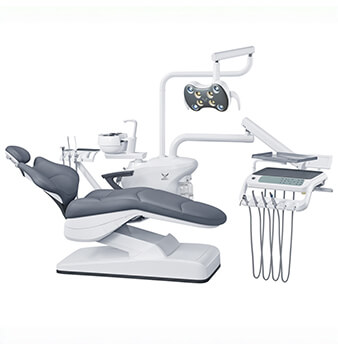
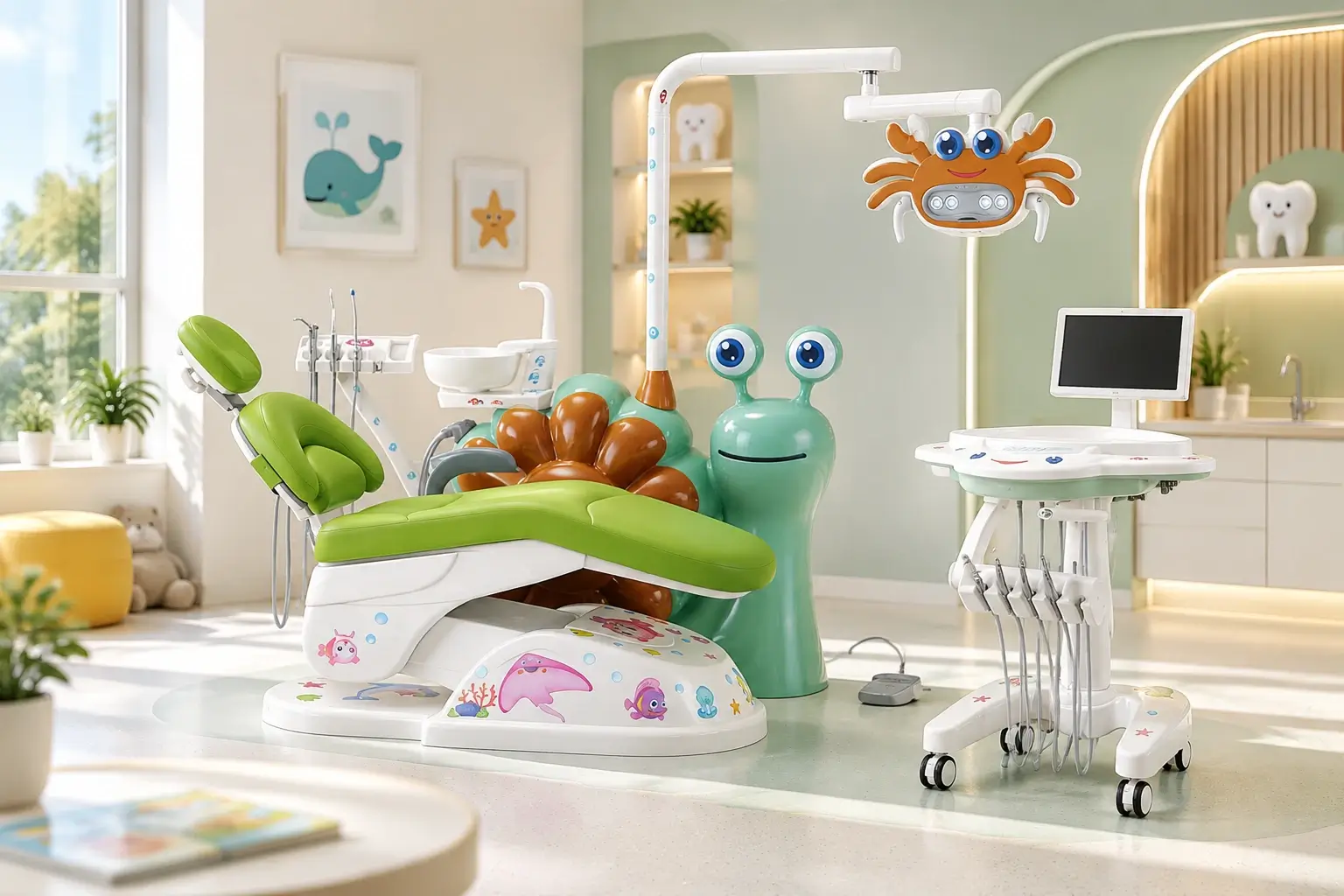
Start with the Gladent dental unit product range to identify the relevant family, then move immediately to model-level evidence. A category such as integral, hydraulic, floor-fixed, implant-type, disinfection, kids-type, or mobile-trailer is not an approval, test result, or complete specification. It is a route to the exact record the buyer must evaluate.
Build a simple traceability test. Can the supplier connect the quotation model to the drawing, manual, label, document scope, packing list, and proposed shipment without changing identifiers? If not, pause the commercial comparison. A lower price cannot compensate for evidence that belongs to another model, revision, entity, or market.
Define the required regulatory and commercial evidence with the importer, local adviser, or responsible authority before asking the supplier for documents. Requirements differ by product identity, intended use, destination, and importer role.
For each item received, check the issuer, holder or manufacturer, model coverage, product description, standard or regulatory scope, issue and expiry dates, revision, language, and any official database record.
A general statement such as CE, FDA, ISO, or registered is not enough to establish market eligibility. Do not treat a company-level certificate as proof for every model, or a registration record as proof of approval or clearance.
For U.S. projects, use the FDA’s public Establishment Registration and Device Listing database as one verification input, then confirm the applicable device and importer obligations with qualified regulatory support.
Keep customs classification, quality-system review, and product authorization as separate workstreams. The 2026 U.S. supplier-audit considerations can help a U.S. team frame quality-system questions, but it does not replace model-specific regulatory review or an import decision.
OEM, ODM, private-label, color, upholstery, module, and packaging requests should become controlled requirements, not informal sales messages.
Issue a configuration sheet with each requested change, the responsible party, the reference drawing or sample, the approval method, and the point after which changes require written authorization. Ask which changes affect labels, manuals, documents, packing, service parts, or destination-market review.
Approve a reference unit or equivalent configuration record before bulk production when the order risk justifies it. Record visible finish, selected modules, interface locations, control operation, labels, included accessories, carton identification, and supplied documents. The acceptance record must reflect the contract; it should not invent performance limits or tests that the parties have not agreed.
For repeat purchases, assign a buyer configuration code and revision. Require the manufacturer to identify any proposed substitution or design change before production.
This tests whether customization is reproducible and gives service teams a stable basis for parts identification. It also separates genuine process control from a broad promise that anything can be customized.
A comparable quotation states more than a unit price. Require each supplier to respond to the same responsibility map:
| Control point | Supplier response required | Buyer verification |
| Quoted scope | Base model, included modules, options, exclusions, and quantity | Compare against one approved requirement sheet |
| Installation boundary | Connections, drawings, supplied hardware, and excluded building services | Review with the local installer |
| Packing and shipment | Carton split, identification, included accessories, and separate service items | Match quotation, packing list, and incoming check |
| Acceptance | Agreed inspection steps, records, and treatment of nonconformity | Approve criteria before production or shipment |
| After-sales responsibility | Contact path, troubleshooting information, spare-item identification, and escalation route | Test communication and record model compatibility |
| Documents and changes | Required file set, revision control, and approval process | Confirm destination-market applicability independently |
Do not fill gaps with assumptions about warranty, lead time, capacity, testing, or spare-parts availability. Ask for the proposed terms and evidence in the quotation. When responses differ, compare the unresolved risk as well as the price. A supplier that clearly marks an exclusion may be easier to manage than one that answers every field with a broad yes.
Send the same RFQ dataset to every shortlisted manufacturer. Include the destination market, buyer and importer roles, intended clinical application, product category, required configuration, room and utility conditions, quantity, branding request, packing needs, document list, target acceptance evidence, service expectations, and requested commercial terms. Ask suppliers to state assumptions and deviations beside each field.
Score responses on evidence completeness, configuration clarity, document applicability, change control, acceptance readiness, service responsibility, and commercial fit.
Keep price as one dimension rather than the first gate. Record open issues with an owner and due date. Supplier qualification is complete only when material gaps are resolved or explicitly accepted by the authorized buyer.
Gladent is a Foshan-based dental-equipment manufacturer and organizes its dental units into integral, hydraulic, floor-fixed, implant-type, disinfection, kids-type, and mobile-trailer categories. That range gives importers a practical starting point for identifying the model family and the evidence required next.

A qualification inquiry to Gladent should identify the destination market, intended application, requested category or model, configuration, quantity, branding or packaging needs, and required documents. Ask the response to name the contracting entity, base model, included scope, options, exclusions, configuration revision, packing split, acceptance evidence, change process, and after-sales contact.
This turns the published product range into a model-level sourcing record while keeping unverified claims out of the purchasing decision.
Choosing a dental unit manufacturer in China is an evidence-control task, not a homepage comparison. Reconcile the contracting party, connect claims to the exact model, test documents against the destination market, approve a configuration baseline, and assign packing, acceptance, change, and service responsibilities.
Then compare commercial offers that answer the same RFQ. Unresolved identity, model, or regulatory gaps are stop conditions, even when the quotation is attractive.
To evaluate Gladent against this method, start a manufacturer qualification discussion with the destination market, product category, intended application, configuration, quantity, branding needs, and required documents.
Reconcile the contracting, manufacturing, exporting, payment, and brand entities. Then connect the quoted model to its drawing, manual, labels, documents, packing scope, and configuration revision. Resolve material mismatches before commercial approval or payment.
The list depends on the destination market and product identity. Common procurement inputs include model specifications, drawings, manuals, labels, packing details, commercial documents, and the regulatory or quality evidence defined by the importer or adviser. Verify scope, entity, model, dates, and official records where applicable.
State the model, requested changes, destination, quantity, artwork and label responsibilities, manuals, packaging, approval sample or reference unit, document impact, change-control method, and acceptance criteria. Ask the manufacturer to identify limits, assumptions, cost effects, and timing rather than promising unrestricted customization.
No. Check the actual document or official record and confirm its issuer, holder, scope, model coverage, dates, revision, and relevance to the destination market. A company-level badge or registration statement does not automatically establish approval, clearance, certification, or import eligibility for every dental unit.
 No. 1, No. 2, Fenggang Industrial Zone, Lianhe, Luocun, Shishan Town, Nanhai District, Foshan City, China
 Call us now:+86-757-81267151