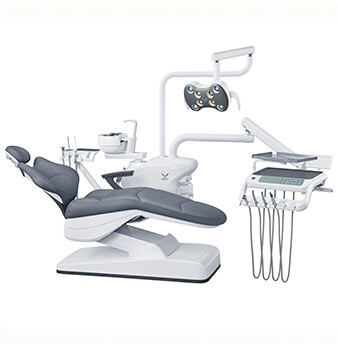
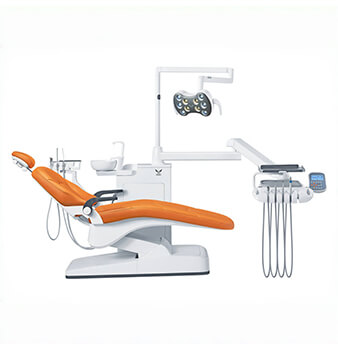
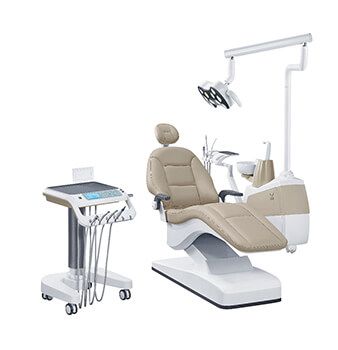
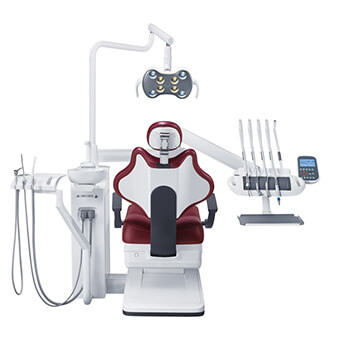
In 2026, dental clinics around the world face more pressure than ever. Patient numbers are rising. Procedures are getting more complex. Demands for comfort and efficiency are very high. In this setting, picking the right equipment—especially the dental unit—can decide a clinic’s success or failure. For many, the key choice is between hydraulic and electric dental units.
The main difference is in how they work. Hydraulic dental units rely on fluid systems. These include pumps, valves, and cylinders. They move smoothly and handle heavy loads well. Electric dental units use motors and digital controls. These allow quick and programmable changes. Both types have good points. Both have downsides.
This guide looks closely at two main factors: stability and durability. We will compare actual performance traits. These include smooth movement, steady load handling, lifespan under pressure, and upkeep needs.
At Gladent, we have earned our name by making top-quality hydraulic dental units. These are designed for great stability and lasting reliability. From city clinics to remote centers, our CE-certified models like the GD-S600 give steady results even in tough conditions.
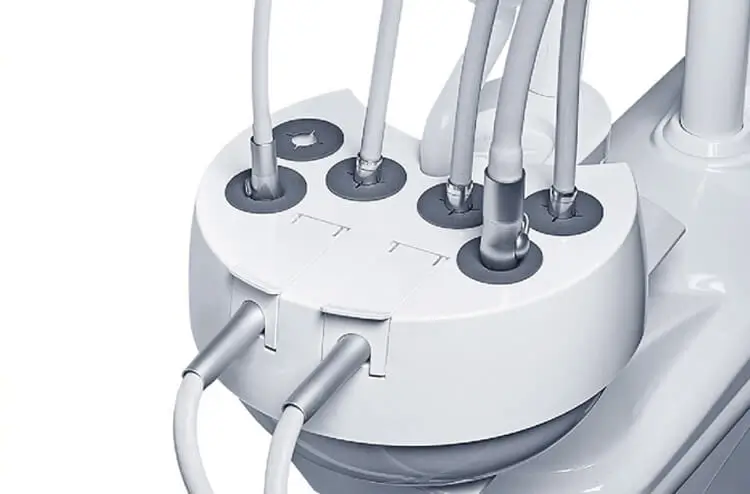
A hydraulic dental unit uses pressurized fluid to create motion. The main parts include a hydraulic pump, fluid tank, valves, cylinders, and pistons. When started, the system sends fluid through hoses. This expands or contracts pistons. As a result, it lifts or lowers the chair with strong smoothness.
The hydraulic transmission system ensures the smoothness and sufficient power of the dental chair. It allows flexible adjustment of chair movement speed.
One key feature of hydraulic systems is their “drift” motion. This means very smooth shifts between positions. Patients often find this more comforting than sharp motor-driven changes.
Electric dental chairs use servo motors or actuator to control motion. These systems provide advanced options such as digital controls, preset memory positions (up to 9), and fast shifts from one setup to another.
They are also quieter during regular use. Plus, they often use less energy when not active. However, they might seem less steady under heavy weights. And they rely fully on electronic parts.
By 2026, some makers are combining both systems. They use a hydraulic base for lifting and an electric motor for tilting or backrest control. These hybrid models aim to mix strong power with precise control.
When comparing systems, several factors matter:
The hydraulic components have a self-lubricating function which can delay the wear and tear of the dental unit and increase the service life of dental unit—a trait that directly impacts stability over time.
Hydraulic systems can make a low hum during use (55–65 dB). But modern dampers cut this down a lot. Electric chairs might feel less steady under full weight or during quick moves—especially if not set up right.
Hydraulic units stay better in long-procedure settings or for larger patients. On the other hand, electric units do well in busy city clinics. There, speed and digital links are key.
| Metric | Hydraulic Dental Unit | Electric Dental Unit |
| Smoothness | Seamless “drift” movement | Responsive but motor-driven |
| Load Consistency | Excellent (200kg+ standard) | Varies by model |
| Vibration Resistance | High (fluid dampens motion) | Moderate |
| Positional Accuracy | Manual ±3°, some semi-auto | Digital ±0.5° |
| Speed | Moderate | Fast |
Robust Construction: Additionally, hydraulic dental chairs are constructed using tough materials, which means they last a long time and need very little maintenance.
Hydraulic chairs need regular fluid checks and watches for leaks. Electric units are more open to electronic problems—especially in damp places or with power surges.
Growing markets favor hydraulic units because of their low cost and tough build. Wealthy clinics choose electric options for their tech features. But these may have shorter lives if used a lot without good care.
| Feature | Hydraulic Dental Unit | Electric Dental Unit |
| Average Lifespan | 10–15+ years | 7–10 years |
| Maintenance Frequency | Moderate (fluid checks) | Low (but costly if failed) |
| TCO (10-year span) | Lower | Higher due to parts/electronics |
| Environmental Resilience | High (dust/power issues) | Medium (needs climate control) |
Choosing between a hydraulic or electric system is not about which is better overall. It is about which matches your clinic’s needs.
The GD-S600 model from Gladent includes an imported hydraulic system with self-lubricating components that ensure smooth operation and extended durability.
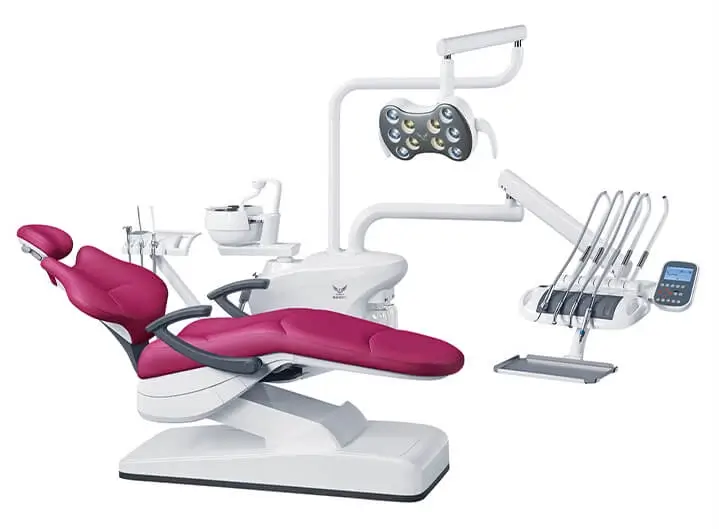
You want the best of both worlds—smooth base lift via hydraulics with programmable backrest positioning via electric actuators.
In today’s demanding clinical setting, steady performance and strong engineering are not optional. They are vital. While electric units offer digital ease and quickness, hydraulic dental chairs are constructed using tough materials, which means they last a long time and need very little maintenance.
For clinics looking to mix cost savings with solid reliability in 2026, hydraulic units stay a strong option—especially when bought from trusted makers like Gladent.
Explore our full line of CE-certified hydraulic models units at dental-unit.net to experience smooth motion, rugged durability, and ergonomic excellence tailored to your clinic’s needs.
Q1: Which is more stable: hydraulic or electric dental unit?
A: Hydraulic units generally offer better stability due to their consistent load-bearing capacity and smooth “drift” motion, making them ideal for long procedures or heavier patients.
Q2: Which lasts longer in high-volume clinics?
A: Hydraulic units typically have a longer lifespan—often exceeding 15 years—especially in high-volume settings where durability under stress is crucial.
Q3: Is hydraulic maintenance higher than electric?
A: Hydraulic systems require regular fluid checks but involve fewer complex parts; electric units may need less frequent service but cost more when electronics fail.
Q4: What are the noise differences in 2026 models?
A: Modern hydraulic pumps operate at about 55–65 dB. Electric units can be quieter overall but may emit sudden actuator noise depending on design quality.
Q5: Can hydraulic units support heavier patients?
A: Yes, most hydraulic dental chairs are rated for over 200kg as standard and maintain consistent performance regardless of weight distribution.
 No. 1, No. 2, Fenggang Industrial Zone, Lianhe, Luocun, Shishan Town, Nanhai District, Foshan City, China
 Call us now:+86-757-81267151