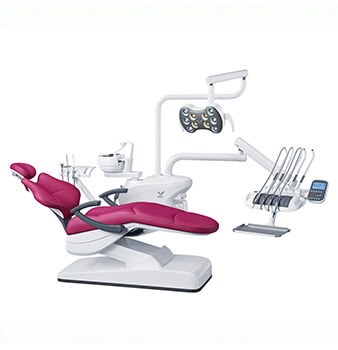
A dental unit is often one of the first items placed on a clinic equipment list, but it should not be purchased as a stand-alone chair. By the time a project reaches the quotation stage, room layout, utilities, instrument connections, suction, service access, and the equipment package itself are already part of the buying decision.
When those details stay vague, an attractive unit price can lose its appeal quickly. The equipment may arrive with the wrong connection, an accessory may have been assumed rather than quoted, or the installation team may discover that the site was prepared for a different utility setup.
For distributors, importers, clinic groups, and project buyers, the useful purchasing question in 2026 is therefore not simply, “Which dental unit is better?” A better question is: which configuration can be installed, supported, and reordered with the least ambiguity?
That decision starts with the operatory itself. Once the site conditions and treatment requirements are clear, buyers can lock down the specifications, compare quotations on the same basis, and decide which model and options actually belong in the project. Buyers still at the earlier model-selection stage can also refer to Gladent’s guide to choosing dental units for a new dental clinic.
A dental chair works inside an operatory system. Utilities, room dimensions, instrument access, suction, and the working positions of the dentist and assistant all affect the final setup. Starting with a list of product features reverses that process. It can lead to upgrades the clinic does not need while leaving basic installation questions unresolved. Define what the room and treatment workflow require first; the model comparison becomes much easier afterward.
Start with the number of treatment rooms, expected procedures, available floor space, doctor position, assistant access, and utility points.
A general treatment room, implant operatory, and pediatric room may all need a dental unit, but the same package will not necessarily work equally well in each one. Instrument positioning, suction access, chair controls, patient positioning, and accessory requirements can change with the room’s purpose.
The differences often become clear when quotations come back. One dental unit supplier may have priced a standard factory package, while another has included project-specific accessories or connections. Similar model descriptions do not necessarily mean the offers contain the same equipment.
Several details are inexpensive to correct while an RFQ is still being discussed and much less convenient once equipment has shipped:
A connector mismatch may look minor on a spreadsheet. It feels rather different when the clinic is waiting and an installer cannot finish the job.
The impact grows with bulk dental equipment orders. If the same mistake is repeated across several operatories, one missed specification can mean additional parts, technician visits, site work, or a delayed handover.
With the room requirements settled, the specification sheet can do what it is supposed to do: define the equipment being purchased. The most useful dental unit specifications are not necessarily the longest list of available functions. They are the items that affect installation, daily use, maintenance, and later orders. The buyer and dental unit manufacturer should be working from the same final configuration before production starts.
Compressed air, suction, water, drainage, and electrical supply belong in the same planning conversation as the treatment unit.
There is no universal compressor or suction capacity that fits every clinic. One treatment room and a multi-operatory project can place very different demands on supporting equipment, particularly when several chairs may be operating at the same time. Site conditions and the selected equipment should determine the requirement, not a specification copied from another project.
Gladent’s product range includes dental units along with dental handpieces, oil-free air compressors, dental suction equipment, curing lights, and related accessories. That allows these items to be discussed within one clinic equipment project, while the technical requirement for each still needs to be checked separately.
A useful product example here is Gladent’s GD-S300 Integral Dental Unit.
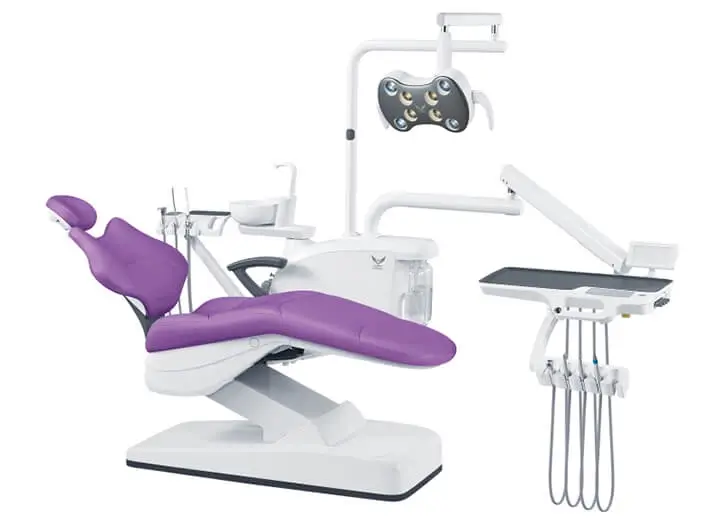
Its listed configuration includes imported air and water pipes, three memory positions, a cast-aluminum cabinet, a magnet-fixed side-box door, a stainless-steel four-hole handpiece connector, and a large doctor tray. The product also uses a detachable metal backrest.
For procurement, those details should be read in context rather than as a list of selling points. The four-hole connection, for example, needs to match the instrument setup being ordered. The magnet-fixed cabinet door can make maintenance access more convenient, while the detachable metal backrest supports quicker installation and removal. For distributors handling installation and after-sales service, both details are worth checking before the configuration is approved. Memory positions may be useful for routine chair positioning, but they should not carry extra weight in the buying decision unless the clinic will actually use them.
That is usually a better way to read a dental chair specification: start with the job each feature needs to do.
Once the technical requirements are fixed, price comparison becomes far more useful. Two quotations can carry similar model descriptions while differing in instrument connections, accessories, suction arrangements, lighting, packaging, or documentation. A lower quotation may simply cover less equipment. Putting every offer against the same approved RFQ makes those differences visible before the purchase order is placed.
A B2B quotation should clearly separate standard equipment, optional items, and anything added specifically for the project.
Check the model, voltage, instrument connections, suction setup, oral light, accessories, packaging, and required documentation. If the order involves OEM branding, upholstery selection, or other agreed customization, fix those points before production as well.
Keep the final configuration with the purchase record. For distributors, it becomes useful again when requesting a repeat quotation or checking which version of a component belongs to the installed equipment.
It is basic order control, but it saves a lot of guessing later.
Some projects need more than a standard integral unit. Gladent also has a Hydraulic Dental Unit range, including the GD-S600.
The GD-S600 Hydraulic Dental Unit uses a hydraulic drive system for chair lifting and reclining. Its listed configuration also includes an automatic full waterline disinfection system, imported air and water pipes, and a 10-hole tri-color oral light. The product page further describes disinfection of the water pipeline and the internal circuits of the strong and weak suction system.
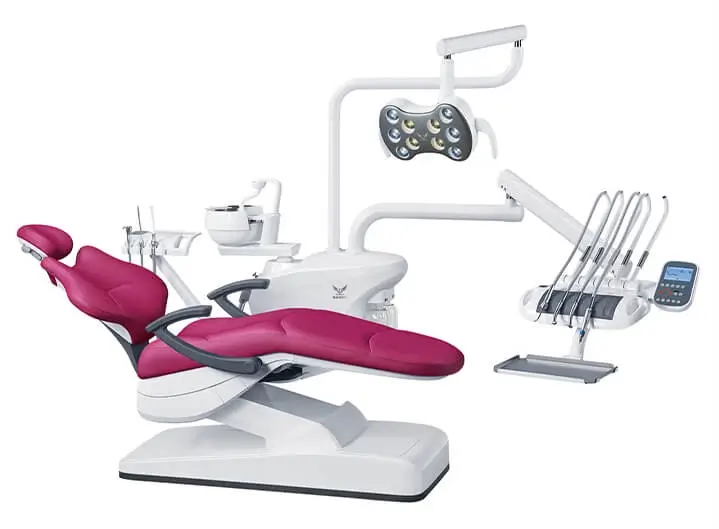
Those functions create a very different procurement discussion from a standard integral unit.
A clinic specifically looking for hydraulic chair movement or an integrated pipeline-disinfection setup has a reason to evaluate them. A project that does not need those functions should not select the model simply because it carries a higher-level specification.
The specification should follow the project. Not the other way around.
Once utilities, instrument requirements, and the core chair configuration are settled, the clinic plan can finally become a usable dental unit RFQ. At this point, technical planning and commercial purchasing come together. The RFQ should give a supplier enough information to quote the required setup without filling gaps with assumptions, while giving the buyer a clean basis for comparing offers.
A practical RFQ should identify the destination market, quantity, voltage, utility conditions, handpiece connections, suction arrangement, lighting requirements, required accessories, packaging needs, and documentation.
Consider a distributor buying ten units for one project. A single approved configuration sheet covering those items is much easier to control than a long email thread where accessories and connections are agreed at different times.
If the project includes more than one room type, separate the configurations where necessary. Standardizing equipment is useful when the requirements are genuinely the same; forcing different rooms into one specification is not.
Memory positions, hydraulic operation, integrated disinfection functions, mobile configurations, and other upgrades can all be valuable in the right project. None is automatically necessary.
Settle the installation conditions, treatment requirements, instrument connections, and core chairside functions first. Optional equipment is much easier to judge after the basic configuration has stopped changing.
Budget discussions also become cleaner. Instead of removing random items to hit a target price, the buyer can distinguish between equipment required for installation and treatment, and features that add value only in certain rooms or applications.
Good dental unit procurement is largely about removing uncertainty before production. Confirm the operatory conditions, utilities, instrument connections, suction setup, required accessories, service considerations, and destination-market requirements, then compare suppliers against the same approved configuration.
This can reduce installation problems, make repeat purchasing easier, and show more clearly why two quotations are priced differently. Gladent offers different dental unit configurations for distributor, clinic, and project requirements, but the model should still follow the actual site and treatment plan. For an upcoming order, send the destination market, required quantity, operatory conditions, preferred configuration, and customization needs to request a project-specific dental unit proposal and quotation from Gladent.
A: Include quantity, destination market, voltage, air and water conditions, drainage and suction arrangements, handpiece connections, oral-light requirements, accessories, packaging, documentation, and any project-specific customization. A clear RFQ makes supplier quotations easier to compare.
A: Check electrical supply, compressed air, water supply, drainage, and suction against the selected equipment and installation plan. Exact requirements can vary by model and project, so they should be settled before the order is finalized.
A: Compare the same approved configuration rather than model names or headline prices alone. Check included equipment, optional accessories, instrument connections, suction arrangements, packaging, documentation, and other project-specific items.
A: Utilities, instrument connections, suction, doctor and assistant controls, lighting, required accessories, and service access are core purchasing checks. Memory positions, hydraulic systems, specialized disinfection functions, mobile setups, and other added functions depend on the clinic’s needs.
A: Yes. Voltage, electrical standards, utility connections, documentation requirements, and accessory preferences may differ by destination market. Buyers should confirm the final configuration with the dental unit manufacturer before production.
 No. 1, No. 2, Fenggang Industrial Zone, Lianhe, Luocun, Shishan Town, Nanhai District, Foshan City, China
 Call us now:+86-757-81267151