Choosing suitable dental units is one of the most important decisions when establishing a new dental clinic. A dental unit is not only a treatment chair but also an integrated clinical workstation that connects patient positioning, instrument delivery, suction, lighting, water systems, and daily workflow. A professional selection process should consider clinical requirements, operatory space, equipment configuration, and supplier capability.
A suitable dental unit improves treatment efficiency, supports ergonomic operation, and provides a reliable foundation for different dental procedures. A new clinic should evaluate dental units according to actual treatment needs instead of selecting equipment based only on appearance or price.
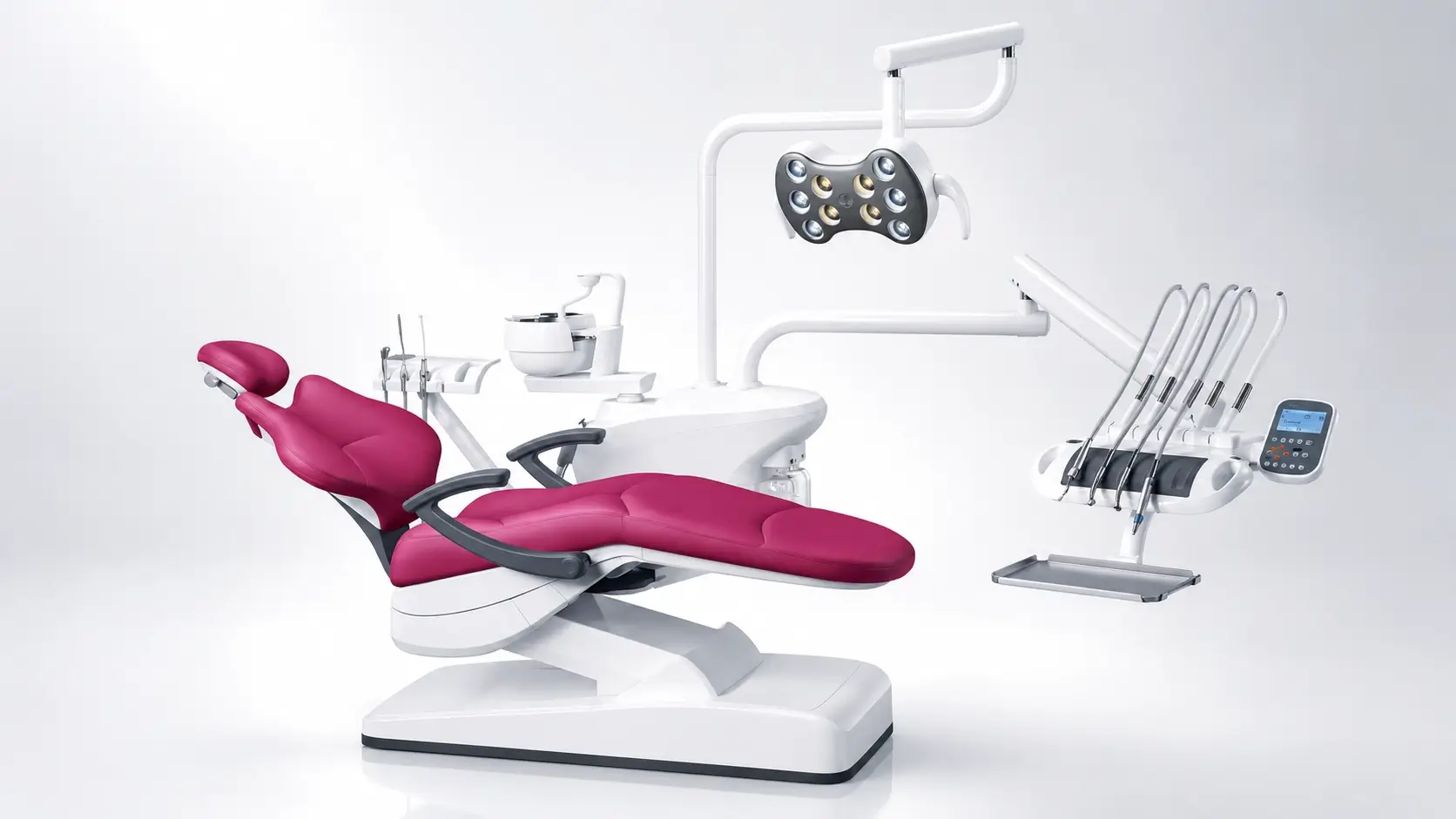
A clear requirement analysis helps a clinic select dental units that match clinical functions and room planning.
The treatment scope should determine the required dental unit configuration. General dentistry rooms usually require stable chair movement, ergonomic instrument access, reliable suction, LED operating lights, and convenient control systems.
Implant rooms require more organized instrument positioning, stable patient support, and compatibility with surgical workflow. Pediatric rooms require comfortable designs, suitable chair dimensions, and a less intimidating appearance. Hygiene rooms require efficient operation and simple functional control.
A dental clinic should define treatment categories before comparing different dental unit models.
The dental unit should support cooperation between dentists and assistants. The delivery system should provide easy instrument access without interfering with the treatment area. The assistant-side components should allow efficient suction operation and material preparation.
A well-designed dental unit should support four-handed dentistry by improving movement coordination and reducing unnecessary operator actions.
A professional evaluation should focus on ergonomics, chair structure, control systems, water systems, lighting, and accessory compatibility.
Ergonomic design directly affects daily clinical efficiency. A narrow chair backrest can provide better access to the oral cavity. Adjustable headrests can support different patient positions. Smooth chair movement can improve patient comfort during treatment preparation.
The delivery system should keep instruments organized and reduce tubing interference. The control system should allow dentists and assistants to operate essential functions quickly.
The water system is an important part of infection-control management. Dental units should support reliable water quality management through features such as independent water bottles, anti-retraction systems, and compatible disinfection solutions.
A professional dental unit supplier should provide clear technical information about waterline structure, cleaning procedures, and safety design.
Patient comfort depends on chair stability, cushion design, movement smoothness, and noise control. A stable chair structure can reduce patient anxiety during adjustment. Comfortable upholstery can support longer procedures. Quiet operation can create a more relaxed treatment environment.
Dental units should be selected together with the complete operatory design. Equipment installation depends on room dimensions, utility connections, and clinical workflow.
A compact operatory requires equipment with efficient space utilization. A larger treatment room can support additional accessories and wider working areas.
Different dental unit structures provide different installation advantages:
The dental unit type should match the physical conditions of the clinic.
The purchasing team should confirm several technical requirements before ordering equipment:
A detailed technical confirmation process can reduce installation problems and project delays.
Different dental unit categories serve different clinical purposes. The correct choice depends on treatment requirements and operational goals.
Hydraulic dental units provide stable chair movement and reliable lifting performance. This type is suitable for clinics requiring strong mechanical stability and smooth patient positioning.
Implant dental units are designed for surgical and implant-related procedures. These units usually focus on organized instrument placement, stable operation, and compatibility with implant treatment workflow.
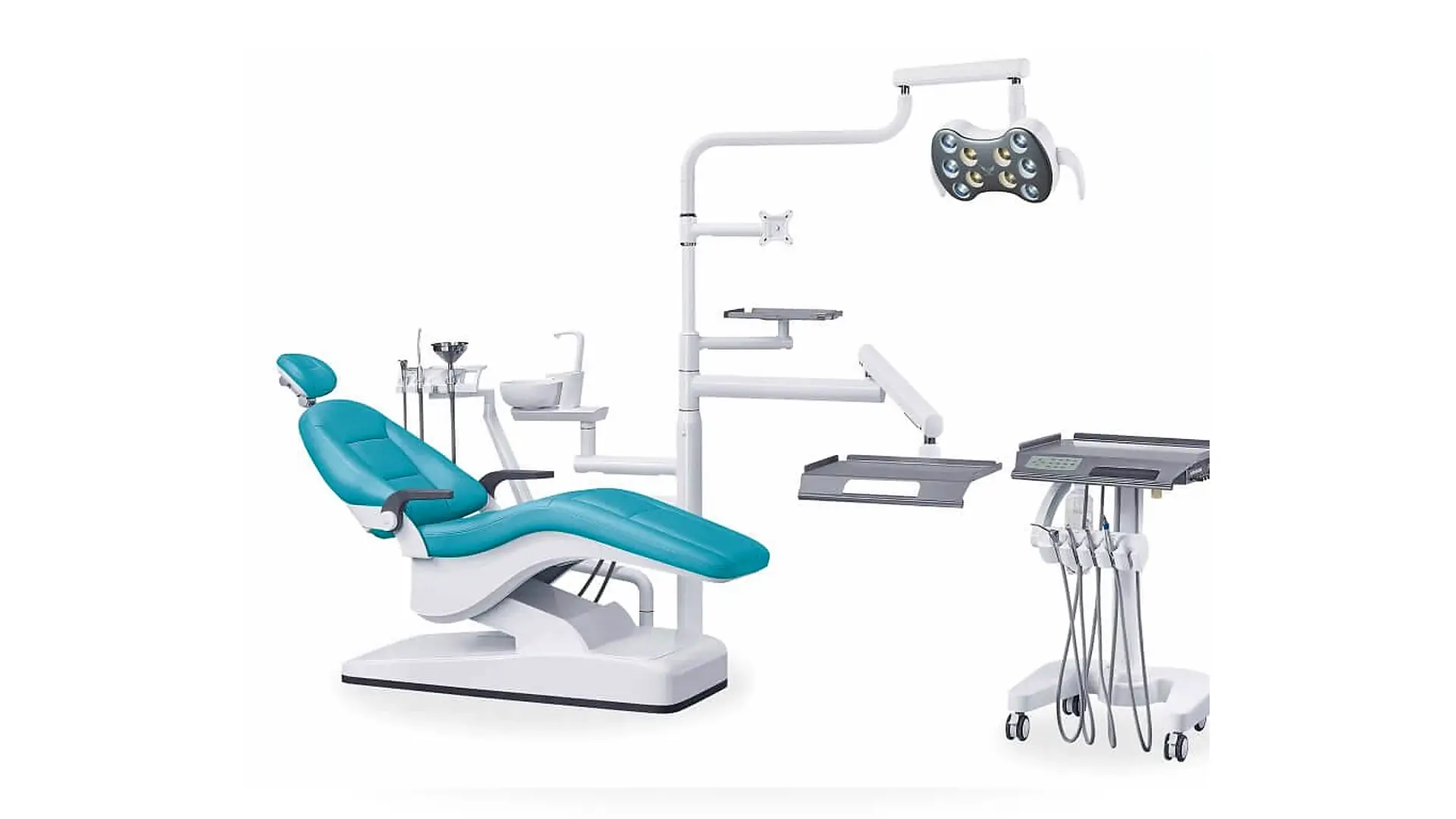
Disinfection dental units focus on supporting hygiene management through integrated water and cleaning-related functions. These units are suitable for clinics that prioritize infection-control procedures.
Kids dental units are designed for pediatric environments. These units usually include child-friendly appearance, suitable patient positioning, and comfortable treatment experiences for young patients.
A professional purchasing checklist helps clinics and distributors compare equipment more effectively.
The buyer should review:
Complete technical information helps prevent configuration misunderstandings.
A reliable supplier should provide professional technical support, product documentation, customization options, stable production capacity, and clear communication during the purchasing process.
For B2B buyers, supplier experience in export projects, OEM cooperation, and dental equipment distribution should also be considered.
Selecting dental units for a new dental clinic requires professional evaluation of clinical needs, workflow design, room conditions, technical functions, and supplier capability. The best dental unit is not simply the most expensive model but the equipment that provides suitable functions, reliable performance, and effective integration with the clinic environment.
A structured selection process helps clinics and distributors reduce purchasing risks and build efficient treatment spaces.
The most important factors include treatment requirements, operatory layout, ergonomic design, infection-control functions, and supplier reliability.
Implant dental units are generally suitable for implant clinics because they support organized surgical workflow, stable patient positioning, and specialized treatment requirements.
A professional supplier can provide technical documents, customization support, installation guidance, and reliable communication during the purchasing process.
Different dental unit models are designed for different applications, including general dentistry, implant treatment, pediatric dentistry, and specialized clinical environments.
Gladent is a professional dental unit manufacturer, supplier, and factory specializing in dental equipment production. Foshan Gladent Medical Instrument Co., Ltd. provides different dental unit solutions, including implant type dental units, mobile trailer type dental units, hydraulic dental units, integral dental units, kids type dental units, disinfection dental units, and floor-fixed dental units. The company supports global dental equipment distributors, importers, and clinic project partners with product solutions, customization services, and B2B cooperation opportunities. For dental unit catalogues, product details, project consultation, and cooperation inquiries, please contact Gladent’s professional team through the official contact channel.
 No. 1, No. 2, Fenggang Industrial Zone, Lianhe, Luocun, Shishan Town, Nanhai District, Foshan City, China
 Call us now:+86-757-81267151