The dental patient chair is a fundamental piece of equipment found in every dental operatory. Patient chairs facilitate clinical procedures and enhance patient comfort, ultimately determining the productivity of any dental office.
Most patient chairs have a useful life span, even for the best of chairs, and will eventually begin to deteriorate, affect both safety and patient satisfaction. It is crucial for dental professionals to know when it is time to replace the patient chairs in order to provide the best care possible as well as maintaining the best possible working environment.
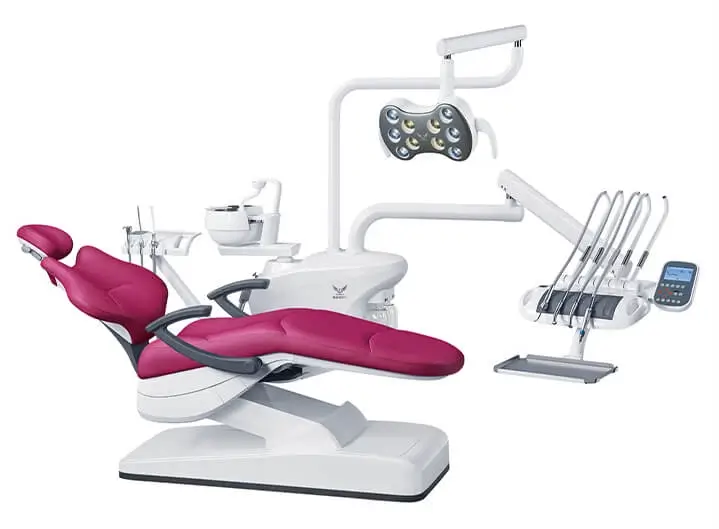
The lifespan of dental chairs is usually between 8 to 15 years depending on the intensity of use, the quality of the maintenance work carried out and the quality of the chair produced by the manufacturer. High volume practices with many patients throughout the day can cause the dental chair to wear down faster.
Modern dental chairs are built with very strong materials to make them last longer but as with any mechanical item, the hydraulics, upholstery and the electronic parts will start to wear down gradually. Regular checks will help prevent any surprises when using the chair for treatments.
Factors influencing chair longevity include patient traffic volume, frequency of adjustments, exposure to cleaning agents, and environmental conditions like humidity in the operatory. Proactive monitoring prevents minor issues from escalating into major disruptions.
Track metrics for items such as the number of times an item is adjusted prior to needing to be replaced, frequency of repair, and hours of down time for an item. The documentation of these metrics can provide objective criteria for the replacement of an item. In order to track the metrics noted above it is best to integrate with the practice management software that you are currently utilizing.
Patient comfort is paramount in dental care delivery. Worn dental chair padding and cushions that sag, as well as a broken or non-functioning headrest, can cause significant discomfort to patients.
Dental patients notice when the resilient qualities of their dental chair have diminished. They sense increased stiffness, lack of even support to different parts of their body, and even sharp points of pressure. This discomfort can cause increased anxiety in patients, potentially affecting treatment acceptance rates.
Seal and other upholstery materials may degenerate over time when exposed to disinfectants and body fluids on a regular basis. They can form cracks, cause splits and tears and also leave unsightly stains. New chairs are now being designed to include antimicrobial fabric and a seamless design to help keep them clean for longer.
Inconsistent lumbar support during reclining positions
Noisy movements that distract patients
Limited range in headrest or armrest adjustments
Temperature discomfort from degraded foam insulation
These changes are noted by the dental team through patient feedback and by observation of the patient during longer appointments such as for implant placement or a restorative procedure.
Frequent mechanical problems signal advancing deterioration. Hydraulic lifts that hesitate, fail to hold position, or produce unusual grinding sounds require immediate attention. Electrical components in powered chairs may exhibit intermittent failures in positioning controls or integrated features.
Repair costs can escalate quickly and practices that have allocated a large budget for ongoing maintenance may find that new chairs have a higher long-term value to the practice than ongoing repair costs of old chairs. Time spent to repair a faulty chair can mean lost time for the practice and lost revenue. Appointments can be affected and rescheduled at short notice.
Slow or jerky base movements
Faulty foot pedal responses
Inconsistent chair height locking
Problems with swivel or tilt mechanisms
Typically when the frequency of repairs exceeds recommended levels, technicians recommend a full inspection. Two major repair jobs in less than 12 months is an example.
Dental equipment in today’s dental practices are designed with the operator’s health in mind. Many older dental chairs are not designed with the precise adjustability that allows the operator to work in the most comfortable position. Inadequate tilt, poor back support and too short working height all cause the operator to work in unsatisfactory positions and can lead to musculoskeletal problems.
Chairs for advanced use have mechanisms for synchronized tilt, for example for shared use by two people, as well as pre-set positions of all chair parameters that can be programmed as required by user. Advanced features, such as a thoracic support system also allow for more effective work between different positions without stress on dental staff.
New dental chairs can support 4 handed dentistry. Modern dental chairs have improved access and stability to the operator. New dental chairs have adjustable armrests for patients to easily enter and exit the chair while keeping access to all procedural areas. Many of the new chairs on the market are designed to be compatible with integrated delivery systems to increase efficiency in all of the specialties of dentistry.
Upgrades in digital dentistry require appropriate dental equipment to integrate into existing chair systems. Older dental chairs may not have the physical mechanical means to hold new dental equipment such as intraoral scanners, LED dental lights and integrated dental imaging, for example.
Further, many of these new pieces of dental equipment require specific connectivity to computer-controlled pieces of dental equipment such as dispensing units, and also to multimedia systems that play videos to calm nervous patients.
Investing in CAD/CAM systems, 3D printing and advanced anesthesia delivery systems require dental chairs that are able to adapt to the constantly changing environment of the dental practice. New dental chairs on the market have built-in wiring channels, modularity in terms of mounting points for various components and smart connectivity options, thus enabling the dental practice to be prepared for the future.
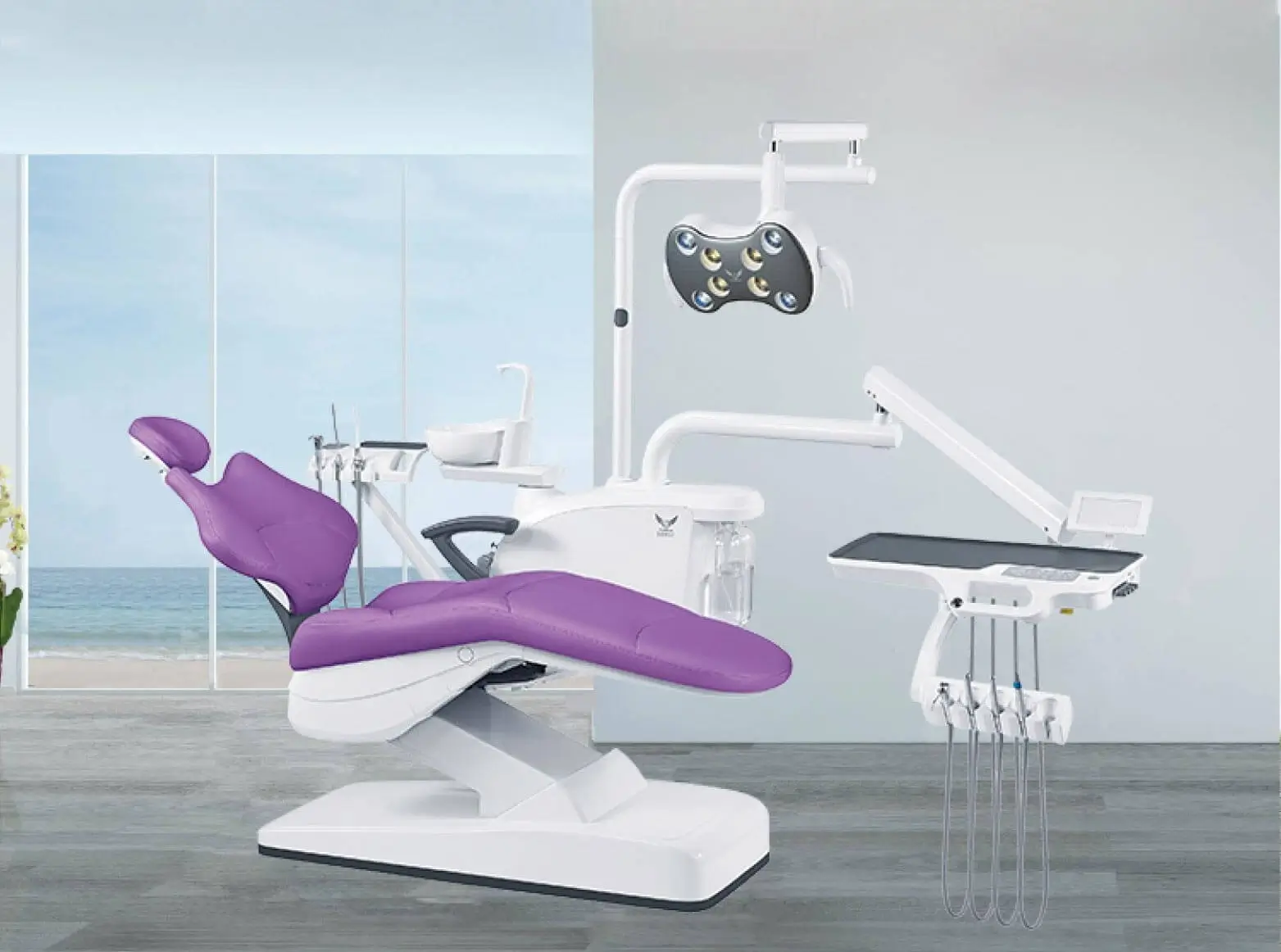
Your patients perceive the quality of your practice by the appearance of it. Faded and worn upholstery on chairs, scratched and worn bases on other equipment and old decor all give the impression that you do not care about the appearance of your practice even though everything may function properly. In competitive markets, a modern clean operating room is what differentiates you from your competition.
Our Replacement chairs are up-to-date in style and come in a variety of finishes. They are also available in a number of colors to ensure that they can be coordinated with your existing cabinetry and lit to create a unified look throughout all of your operatories and to project your brand identity.
Key considerations for practice transitions include thoughtful planning and management to ensure as smooth a transition as possible. This includes developing a phased replacement plan for equipment to minimize disruption to practice.
Staff are fully trained on the features of new equipment to ensure that they can get the most out of the advanced capabilities. Installation, calibration and connection to other practice systems are co-ordinated with the equipment supplier to ensure that this is carried out correctly.
Dental patient chairs are designed to last for 8 to 15 years. How long a chair really lasts, however, is dependent on several factors, such as how frequently it is used, how the chair is maintained, and the quality of the chair in the first place. Busier practices may go through chairs more quickly than less busy ones.
Regular analysis of dental equipment by conducting an up to date dental audit and monitoring repair costs, time lost in breakdowns and comments from patients will highlight when equipment modernization is required. Talking to experts in the field will then help quantify the benefits of new and up to date dental equipment.
The latest dental chairs have advanced ergonomic design. The dental chair can have preprogrammed positions. Modern dental chairs have strong antimicrobial upholstery. Dental chairs are moved smoothly by hydraulic or electric drive. Most dental chairs are also compatible with digital systems.
Many suppliers offer flexible financing as well as leasing options and comprehensive service packages that can be bundled together. Depending on the size of the dental practice, there are options available to access high quality dental equipment.
Gladent specializes in producing dental equipment, and offers a wide range of premium dental units which are categorized into hydraulic type, integral type, implant type, disinfection type, floor-fixed type, mobile/trailer type and pediatric type.
As a professional dental units manufacturer, supplier and factory, our products are CE certified and have been sold to over 50 countries around the world. With over a decade of experience in producing high quality dental units, we strive to provide our customers with competitive price and best service.
We have official contact channels, and you can get in touch with us for custom made dental units, ODM/OEM services and dental chairs wholesale price. Please let us know your requirement and we will be happy to provide you with the suitable models, price quote and arrange for you to visit our factory for further evaluation.
 No. 1, No. 2, Fenggang Industrial Zone, Lianhe, Luocun, Shishan Town, Nanhai District, Foshan City, China
 Call us now:+86-757-81267151