Real estate counts as one of the biggest costs for dental clinics. This is true especially in busy city areas. Clinics need to use every bit of available space well. They aim to keep operations running smoothly. Setting up small operatories without losing good ergonomics or smooth workflow is a real challenge for many practices. Picking the right dental chair for small spaces helps solve this issue. A well-designed chair makes the most of limited floor area. It also supports strong productivity and patient comfort.
This guide looks at key features and design parts that make dental chairs work well in tight spots. The review uses solid engineering ideas and real clinic layouts. It helps dental professionals find options that improve function in small areas. The content adds more technical points and ways to combine items. These support better choices.
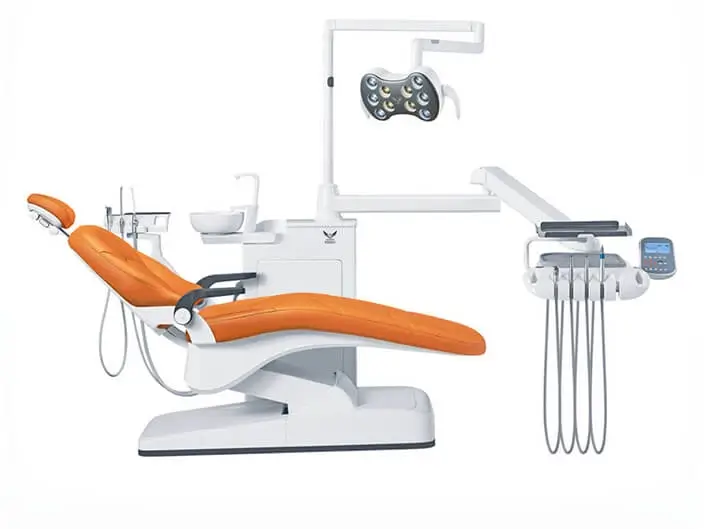
The physical footprint of a dental chair starts with its base design. This base sets the least space needed for safe use. Clinics in small operatories gain a lot from chairs with better base setups.
Modern dental chairs use smaller and simpler bases than older heavy models. These bases cut floor space use by several inches on each side. This change gives more room for movement by practitioners and assistants. A compact base keeps full stability and even weight spread. These are needed for patient safety during work. Many models have strong build that stops bending even with full load. This ensures long use in busy places.
Integration serves as a main way to save space in compact designs. Chairs that attach the delivery system, assistant tools, and operating light right on the chair remove the need for extra mobile carts or wall units. This setup reduces mess and keeps paths open around the operatory. The central attachment also makes cable handling easier. It lowers trip risks in tight areas.
Some newer models provide floor-fixed bases. These give very good stability and still keep a small footprint. These bases fix firmly to the floor. This stops any unwanted move during use. Hybrid choices mix fixed strength with some movement options. They give clinics more layout choices without losing space benefits.
The delivery system setup affects room flow and access more than most other features. Good choice keeps tools close at hand. It does this without growing the operatory size.
Over-the-patient delivery systems place the instrument tray right above the patient area. This needs no extra side room. It makes the system good for narrow operatories. The moving arm folds back well when not in use. This creates clear paths for patient entry and exit. Practitioners like the ergonomic spot. It cuts down on stretch and turn moves during procedures.
Side-delivery units work well in compact spaces. They pair with good cabinet plans. These systems need some but not much clearance on one side of the chair. Smart placement near walls or built-in storage helps the layout more. Many models have adjustable parts. These fit different practitioner needs without change to the base footprint.
Rear-delivery systems need more space behind the chair. This often makes them less good for very small rooms. Clinics with space limits often choose hybrid or front or side setups instead. The pick depends on the exact workflow and team positions in the operatory.
Limited space stops clinics from keeping separate operatories for left-handed and right-handed practitioners. Ambidextrous dental chairs give needed flexibility. This helps full room use across the practice.
Ambidextrous chairs change fast between left-handed and right-handed setups. The change often takes under a minute. This flexibility lets any practitioner use any operatory well. It makes scheduling easier and raises daily patient numbers. The design removes the need for extra equipment or special rooms. It grows working capacity without more square footage.
Standardized ambidextrous layouts make plumbing, electrical, and build needs simpler. This happens during clinic updates or new builds. Clinics avoid complex mirror-image room plans. This cuts install costs and maintenance work. Steady layouts also help staff training and coverage between operatories.
High-quality ambidextrous models use smooth and tool-free change systems. These keep full function in both setups. The systems hold exact instrument positions and suction work no matter the handedness. This reliability gives steady clinical results in every setup.
Ergonomics stay important even in tight spaces. Good design stops strain and helps steady work through long days.
Thin backrest designs let practitioners and assistants move stools closer to the patient. There is no block. The lower thickness keeps full lumbar support and patient comfort. It reclaims working space behind the chair. Advanced padding keeps cushion without added bulk.
Chairs with wide vertical and tilt adjustment ranges fit many patient sizes and procedure types. They do this in the same compact footprint. Memory positioning in top models allows quick recall of set spots. This cuts adjustment time between patients. The systems work smooth and quiet. This keeps a calm space.
Moving headrests and matched leg rests improve patient position. They keep overall chair length under control. These features give good access to oral areas. Practitioners do not need odd postures in close quarters. Many models have set positions for common procedures.
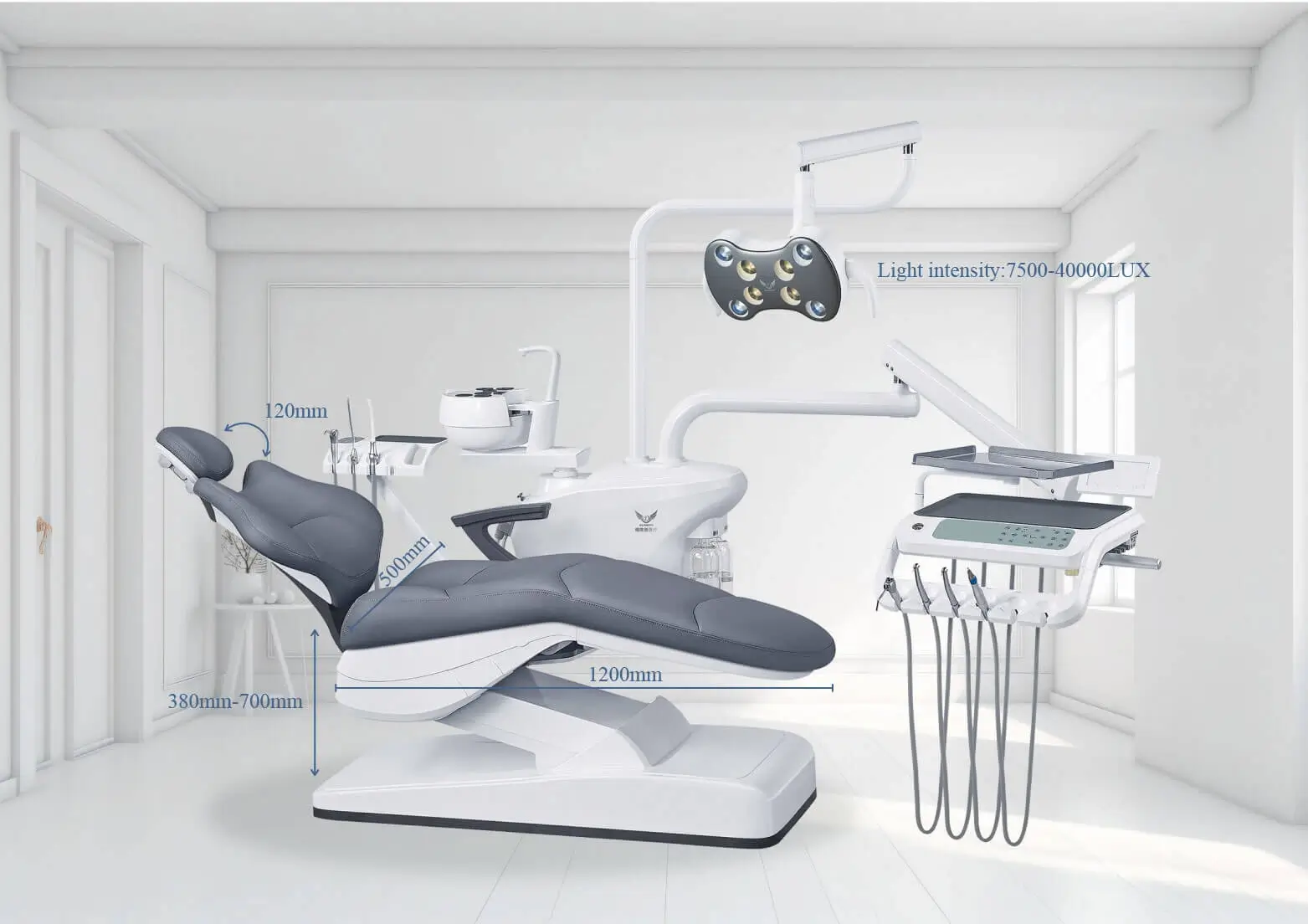
Patient comfort affects satisfaction and cooperation. This matters no matter the operatory size. Compact chairs add specific features. These keep high comfort levels.
Premium upholstery materials give good cushion and long life in slim profiles. Seamless and easy-clean surfaces fight stains. They support infection control rules. The padding spreads weight even. This reduces pressure spots during longer visits.
Quiet hydraulic or electric lift systems cut patient worry in close areas. Sound carries more there. Smooth movements without jerks create a calm feel. This encourages relaxation. Built-in armrests and safety parts improve security feelings for patients.
Some compact models fit monitor mounts or screens. They do this without much footprint growth. These additions distract patients during procedures. They also give learning content. This betters the experience in smaller treatment rooms.
Good small-space setups need smooth work between the dental chair and nearby equipment.
Chairs with internal paths for accessory cables, such as intraoral cameras and curing lights, remove floor mess and safety issues. Hidden paths protect wires from harm. They keep a clean and professional look. This design makes cleaning easier. It lowers maintenance needs.
Swivel functions from 30 to 60 degrees or more allow small chair moves. This happens without shift of the full base. This ability improves access angles. It helps easier patient transfer in tight layouts. The swivel parts lock firm during procedures.
High-performance suction integration and LED operating lights attach well on compact chairs. These systems give strong work without big separate units. Matched controls make workflow better. They cut the number of extra devices in the operatory.
Strong build ensures space-optimized chairs handle daily use in tough clinical settings.
Robust metal frames and precise lift systems give stability like bigger models. Manufacturers use coatings that resist corrosion. They add high-tolerance parts. These keep performance over years of work. Quality certifications, including CE and ISO standards, check safety rules from around the world.
Disinfection-friendly surfaces and removable parts support strong cleaning rules. These are key in compact spaces where risks may gather. Seamless designs and antimicrobial choices add to better infection control.
The base footprint and overall integration of components represent the most critical factors. Compact bases combined with chair-mounted delivery systems free up maximum floor space while maintaining full functionality.
Yes. Slim profiles, wide adjustment ranges, and thoughtful component placement enable excellent ergonomics for both practitioners and patients within reduced dimensions.
Floor-fixed models offer excellent stability and a minimal footprint. This makes them highly appropriate for permanent installations in compact operatories.
Dental clinics and equipment distributors seeking reliable solutions for space-optimized operatories should evaluate comprehensive product lines that address these design priorities. Professional consultation with experienced suppliers ensures proper matching of chair specifications to specific clinic layouts and workflow requirements. Bulk procurement options and customization services support large-scale projects and clinic expansions effectively.
Gladent, as a leading dental unit manufacturer, supplier, and factory based in Foshan, China, produces high-quality dental chairs and complete treatment units tailored for diverse clinical environments, including those with spatial constraints. The company maintains strict quality standards with CE certification and exports to over 50 countries worldwide. Clinics and distributors can contact Gladent directly through their official channels to discuss OEM/ODM opportunities, product specifications, and partnership arrangements.
 No. 1, No. 2, Fenggang Industrial Zone, Lianhe, Luocun, Shishan Town, Nanhai District, Foshan City, China
 Call us now:+86-757-81267151