Dental unit water lines (DUWLs) form key pathways in modern dental equipment. These narrow tubes carry water to different instruments. Examples include high-speed handpieces, air/water syringes, and ultrasonic scalers. Good cleaning and care of DUWLs help reduce risks of microbial contamination. They also support high patient safety standards in dental offices. Dental professionals use strict protocols. These protocols fight biofilm buildup and keep water quality at good levels during daily work.
Dental practices rely on DUWLs. They need these lines to provide steady water flow in patient care. Contamination in the lines creates big health risks for patients and dental staff. Biofilm grows as a group of microbes. It is covered by a protective layer inside the tubes. The small inside diameter, changing flow, and times of no movement make good conditions for bacteria to grow. This includes heterotrophic bacteria and other harmful types.
Regular cleaning of DUWLs lowers the chance of cross-contamination in treatments. Water that touches mouth tissues or open wounds must stay free of high microbial levels. If teams do not maintain the lines, pathogens can enter. This can lead to local or body-wide infections. The risk is higher for people with weak immune systems or children. Past studies of water problems in dental places show these events can be stopped. Teams achieve this with steady protocols.
Biofilm and mineral buildup slowly hurt line function. The buildup limits water flow. It changes how instruments work. It can also cause early damage to parts like valves and connectors. Following the maker’s cleaning plans helps keep the structure and work efficiency of dental units good for a long time.
City water supplies often have some microbes. These grow fast in the warm and slow-flow areas of DUWLs. Offices that use separate water tanks with distilled or deionized water gain better control. But these systems need daily care to stop sediment and bacteria growth. Good handling of water sources is a basic part of full DUWL plans.
Biofilm starts when loose bacteria stick to the inside walls of the tubes. These bacteria make protective substances. The substances resist physical removal and chemical action. Smooth flow in narrow spaces (usually 1-2 mm) reduces force. This lets groups grow larger. Occasional use allows nutrients to build up from leftover water and small backflow. This speeds up growth. Changes in temperature inside the unit help microbe activity. This leads to heterotrophic plate counts that go above safe limits.
Contact with dirty water in dental work has effects. These range from light mouth irritation to serious breathing or wound issues. Groups of patients at higher risk need extra care. Official groups stress the need to keep water clean. This stops problems that can be avoided. Dental mists from tools also create work risks for staff. This shows why strong maintenance plans protect everyone in the clinic.
Disinfection plans for DUWLs use physical steps, chemical products, and regular checks. Choice of treatments that fit well gives good results. These choices avoid damage to tube materials or seals. Dental units with new features make these steps easier through built-in controls.
Cleaning mainly removes organic waste and loose particles. Disinfection works to stop living microbes inside biofilm layers. Enzyme products help break down protein parts. This exposes bacteria to later germ-killing steps. Approved disinfectants, such as those with peracetic acid or hydrogen peroxide mixes, give wide protection. Teams use them for the right contact times. Checking that products work with the equipment stops damage to materials.
Self-contained water systems allow exact chemical use without outside sources. These setups support steady low-level care and strong treatments from time to time. Inline filters add to chemical methods by catching particles. But filters need regular changes to avoid new contamination spots. Combined system designs balance good results and daily work flow.
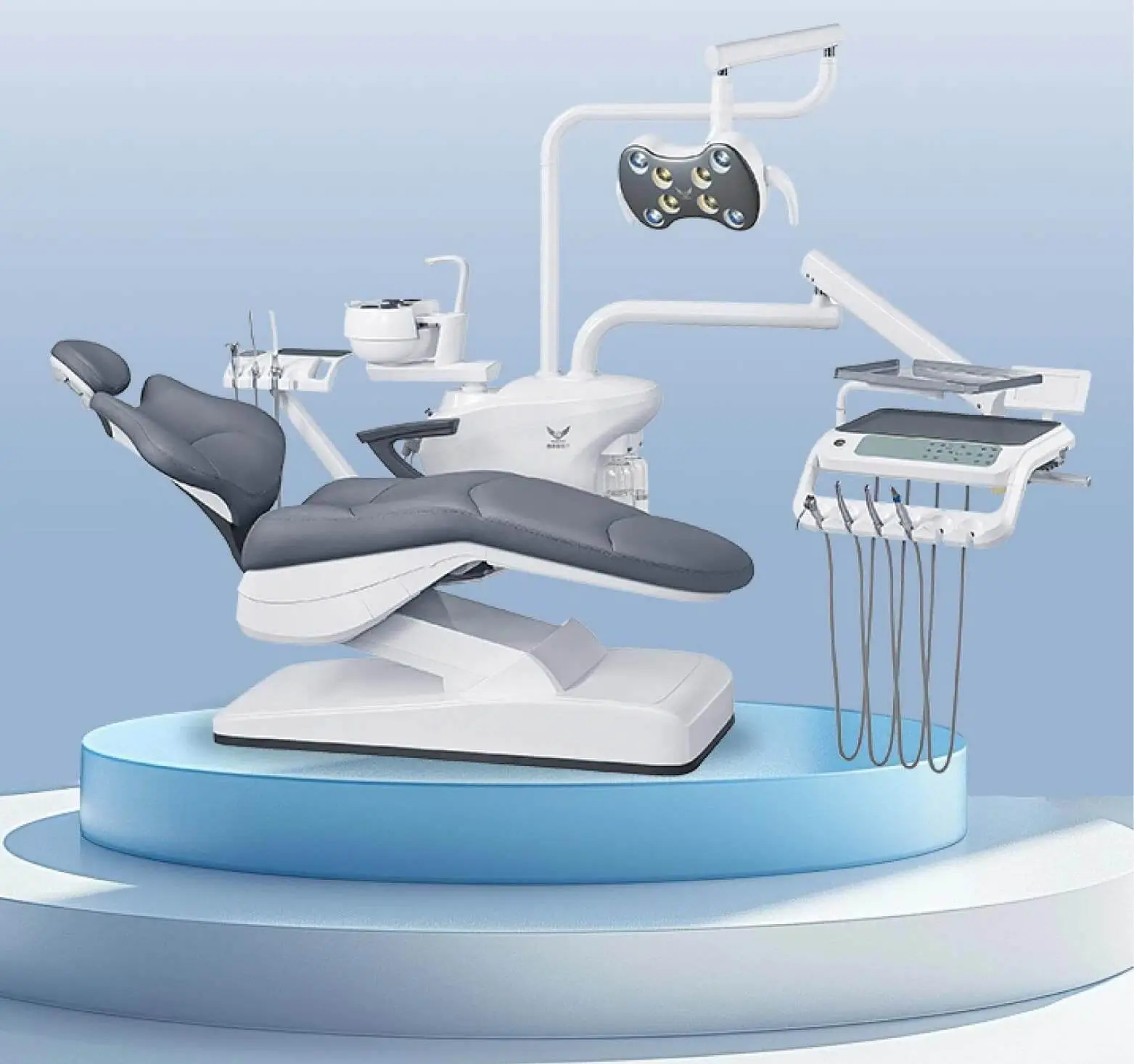
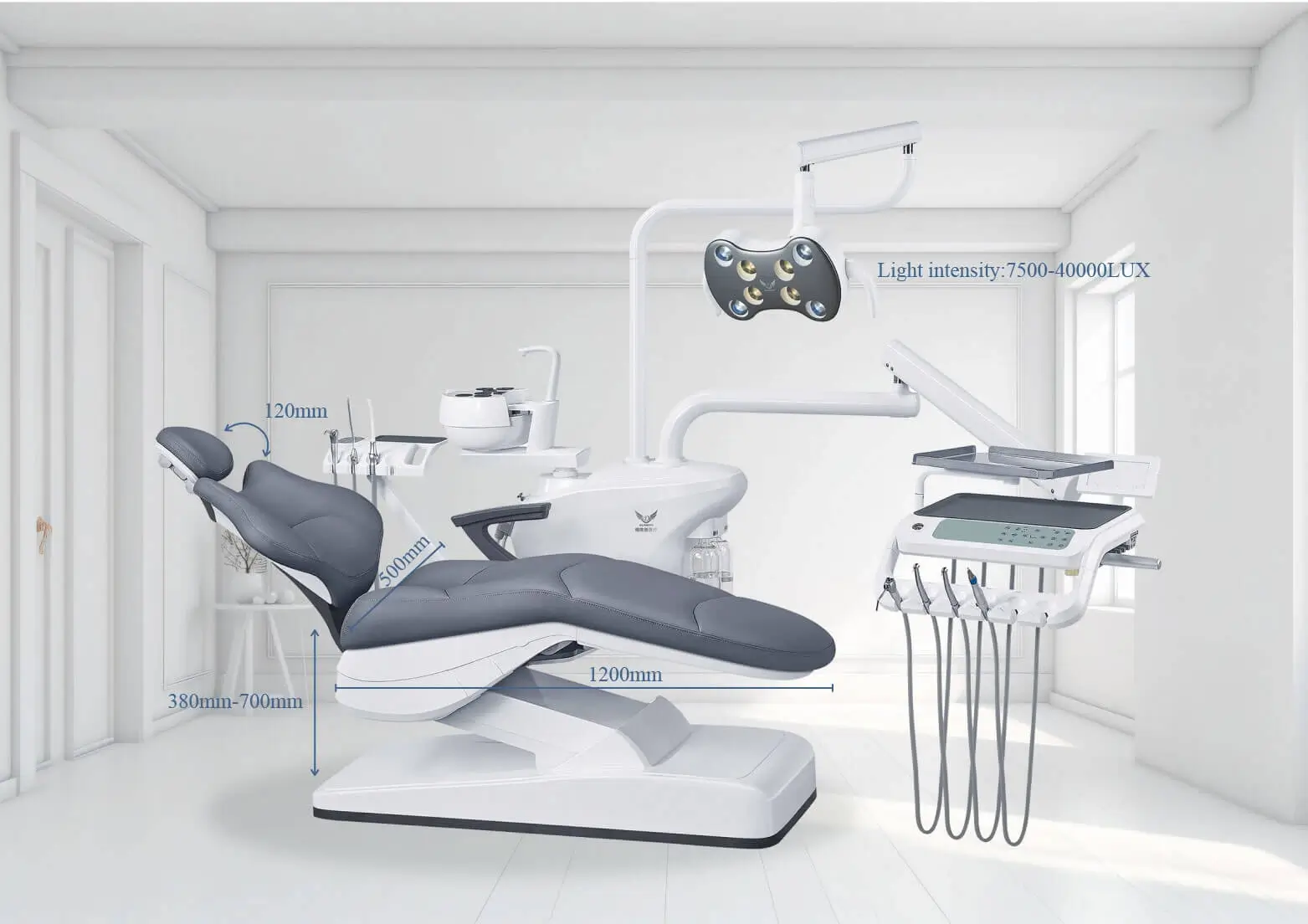
New dental units have built-in tools. These tools make disinfection steps simpler. Some models have one-touch full-pipeline disinfection systems. These allow full care of water lines, suction parts, and related items. Dual-bottle setups help easy switches between normal water and disinfectant mixes. Automatic pulse actions make sure the treatment reaches all parts of the network. This improves following of hygiene rules.
Clear steps give the same good results in daily work. Dental teams check instructions for their equipment. This keeps things steady and safe.
Each day starts with flushing all waterlines for at least two minutes. This removes still water from the night before. Between patients, short flushes of 20-30 seconds clear possible backflow. Staff take off handpieces and syringes before deeper cleaning. Water tanks are emptied and filled again with fresh treated water every day. This cuts down sediment buildup.
Enzyme solutions move through the lines for the set time. They break down organic layers. After that step, approved disinfectants go in. They cover all inside surfaces. Full flushing through each opening ensures complete contact. A last full rinse with clean water removes leftover chemicals before patient care starts again. Contact times and strengths follow maker rules exactly.
Strong biofilm may need stronger shock steps. These use higher strengths or longer times. Teams schedule these at set times or after check results. Full flushing after treatment brings lines back to ready state. It keeps parts in good shape.
Units with automatic disinfection tech make complex steps easier. One-click controls handle water, air, and power parts at the same time. Dual tanks hold special disinfectant. Pulse actions help reach deep into tube networks. These features cut hand work and improve even treatment.
Clear checks confirm that the plans work. Regular tests check heterotrophic bacteria levels against set marks. The goal stays in line with drinking water standards of no more than 500 colony-forming units per milliliter (CFU/mL).
Practices do first tests after plans start. Later checks happen monthly or quarterly. Teams adjust based on results. Office test kits give quick answers. Lab checks give full microbe details. Steady records support quality efforts.
Results under the 500 CFU/mL limit show good control. High counts call for quick look at steps, product use, and equipment state. Possible problems include short contact times, damaged tubing, or tank cleanliness. Fix steps bring things back to standard fast.
Known authorities give structures for DUWL care. Guidelines highlight separate water sources, chemical treatments, and regular checks for normal procedures. Surgery cases often need sterile solutions. Dental professionals match their work to current advice. This meets their duties.
Main parts include daily flushing, regular disinfection, and no water still time. Equipment makers give custom directions. These add to wider official rules. Records of care work show careful effort in infection control.
Dental unit designs have features that help easy care. Talks with makers ensure best choice of treatments and steps. New models with built-in disinfection tools help follow good practices. They cut breaks in daily flow.
These systems isolate water supplies, enable controlled chemical introduction, and reduce dependence on variable municipal sources when paired with proper maintenance.
Automated systems ensure consistent treatment of all lines with minimal manual intervention, improving compliance and reducing the time required for daily protocols.
Dental clinics pursuing superior equipment that facilitates effective infection control protocols benefit from engagement with established manufacturers and suppliers. Gladent functions as a specialized factory and supplier offering a comprehensive selection of dental units, including advanced disinfection models featuring one-touch full-pipeline systems and dual-bottle configurations. Dental professionals and procurement teams interested in bulk supply, OEM/ODM customization, or technical specifications can contact Gladent directly. Explore durable, high-performance solutions designed to support stringent hygiene standards and long-term operational excellence through professional B2B partnership channels. Reach out today to discuss tailored procurement options that align with clinic requirements.
 No. 1, No. 2, Fenggang Industrial Zone, Lianhe, Luocun, Shishan Town, Nanhai District, Foshan City, China
 Call us now:+86-757-81267151