In dental care, the dental chair acts as the main part that affects how patients feel during their visits. Dental professionals know that a good dental chair has a direct effect on patient comfort, cooperation, and general satisfaction. This article looks at the structural, functional, and experiential parts that make better dental chairs important for good patient results. The talk uses known design rules, ergonomic rules, and clinical ideas to show why putting money into modern dental chairs brings clear improvements in patient experiences.
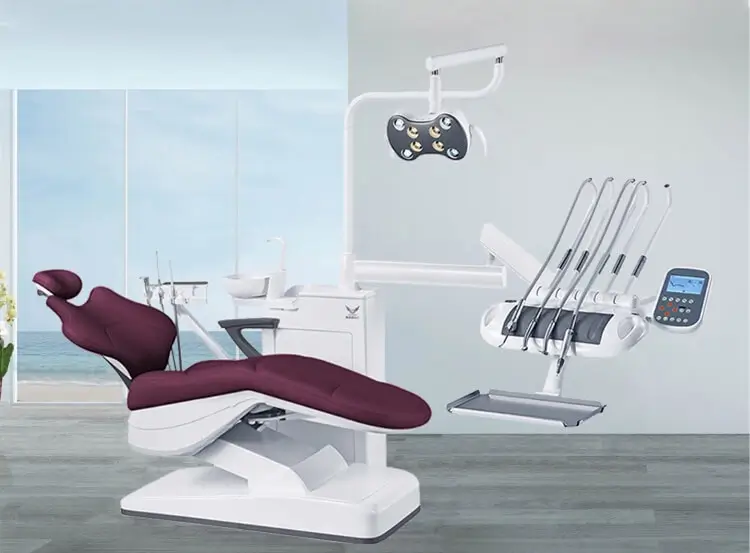
Dental chairs have seen big changes since their first versions. Early dental chairs were simple benches. These benches gave little adjustability and little support for patients. Such basic designs often led to patient discomfort in procedures that lasted a long time.
Modern dental chairs use progress in engineering, materials science, and human factors research. Manufacturers now focus on patient-centered design. This design matches anatomical needs and procedural requirements. This change shows a better understanding of how seating affects both body responses and mind states during dental treatments. Current models have exact positioning systems, built-in support structures, and smooth links with clinical tools. All these raise the standard of care.
A modern dental chair is a complex mix of mechanical and electronic parts made for best performance. The chair has several key elements that work together to help patient well-being.
The chair shape follows the natural spinal curve. This shape spreads weight evenly and cuts down pressure points. This design lowers muscle tension that patients might feel in fixed positions.
Many adjustment points let teams make exact changes to seat height, backrest angle, and headrest position. These features fit different patient height, weight, and mobility needs.
High-grade, medical-standard upholstery gives cushioning. It keeps durability and works with strict cleaning rules. Breathable fabrics improve comfort. They control temperature and moisture.
Armrests, footrests, and lumbar supports give full stabilization. Many models use synchronized movement systems. These systems make sure transitions between positions stay smooth without sudden shifts.
Ergonomics makes the base of good dental chair design. Right ergonomic features stop extra strain and help relaxation during procedures.
These parts help dental teams place patients to get good access. At the same time, they keep natural body alignment. Patients get less fatigue even in longer appointments.
Support in the lower and mid-back areas fights the effects of long reclining. This support keeps spinal integrity and lowers reports of discomfort after procedures.
Well-designed armrests and footrests offer secure points. These elements give patients a feeling of stability. This feeling encourages stillness and cooperation.
Specialized configurations exist for different patient groups. Pediatric models use scaled sizes and fun elements. These address the special needs of younger patients. Bariatric and accessibility-focused designs make sure everyone is included across body types and mobility levels.
The look and feel of a dental chair have clear influence on patient thinking. A chair that looks modern and comfortable can change views from worry to reassurance.
Clean lines, neutral or calming color choices, and non-institutional looks help create a less clinical feel. These design choices help make the dental setting more normal.
Soft, supportive surfaces show care and quality to patients when they touch them. The quick sense of physical ease leads to lower defensive reactions.
The chance for patients to have custom positioning builds a sense of control. This view of control often links with higher tolerance for needed procedures.
Technological integration has grown the functional abilities of dental chairs past basic seating.
Memory functions keep preferred setups for patients who come back or for certain procedure types. This ability makes workflows smoother and keeps patient positioning the same.
Some modern chairs have light vibration or soft massage choices. These promote muscle relaxation. They do not get in the way of clinical access.
Built-in lighting and instrument delivery arms put key tools in the best spot. These links cut procedure time and the related patient stress.
Implant-type units give better stability and motion range for surgical precision needs. Hydraulic systems in premium models give smooth, quiet work. This keeps a calm procedural setting.
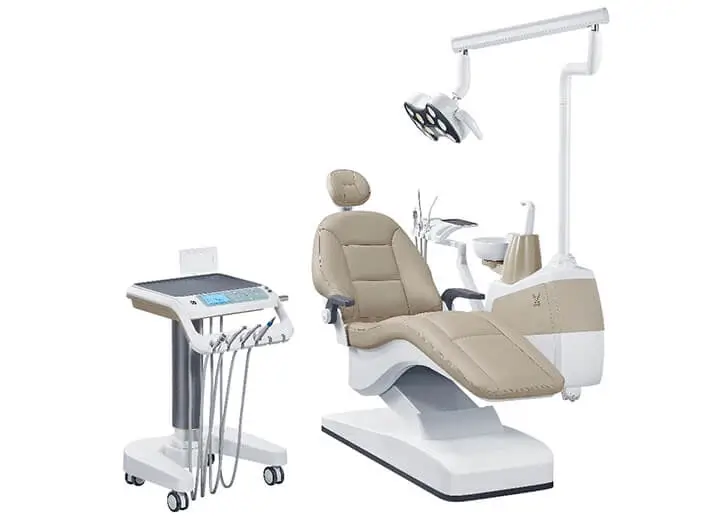
Dental anxiety stays a big barrier for many people who need care. Well-made chairs handle this issue through several ways.
Less body discomfort during treatment stops stress responses from growing. Patients who stay physically comfortable show greater emotional strength.
Smooth mechanical moves, no sudden sounds, and supportive structures together make a more expected and safe experience.
Good positioning improves eye contact and talk between dental professionals and patients. This better communication builds trust. It also reduces anxiety more.
Modern dental chairs use design parts that back strict infection prevention rules. Seamless upholstery surfaces fight germ sticking and help full disinfection between patients. Removable or easy-to-reach components let dental teams keep high hygiene levels. They do this without hurting chair function.
Integrated suction and drainage systems handle fluids well. They cut down aerosol creation and cross-contamination risks. These features show how chair design helps make safer clinical settings. Patients can see and value these.
Dental practices serve different patient groups and procedure types. This needs adaptable equipment. Manufacturers offer integral, hydraulic, floor-fixed, mobile trailer, disinfection-focused, and pediatric variants. Each type handles specific work settings while keeping core comfort features.
Implant and surgical models give stronger bases and wider motion ranges. These support exact, stable patient placement. Mobile units give flexibility in non-traditional or outreach settings. They do not lose ergonomic quality. These special changes make sure the gains of quality seating reach all parts of dental service delivery.
Better dental chairs help get improved clinical results through stronger patient stability and practitioner access. Stable positioning cuts down unwanted movements. These movements could make delicate procedures harder. Reduced patient fatigue helps longer, more complete treatment sessions when needed.
Efficient chair work leads to better appointment flow. Fast, dependable adjustments let dental teams move easily between tasks. This helps both patient numbers and individual experience quality. The total effect builds patient trust in the practice’s professionalism.
A comfortable dental chair has ergonomic contours, adjustable positioning systems, supportive lumbar regions, and high-quality cushioning materials. These keep proper body alignment throughout procedures.
Chair design affects anxiety through physical comfort, smooth mechanical operation, calming aesthetics, and features that give patients a sense of control and security during treatment.
Yes, manufacturers produce specialized models including pediatric, implant, hydraulic, disinfection, and mobile variants. These address unique patient populations and procedural requirements.
Technology allows programmable positions, integrated lighting and delivery systems, and advanced support mechanisms. These improve both patient comfort and clinical precision.
Premium chairs improve patient satisfaction, support better clinical outcomes, improve operational efficiency, and add to a professional environment. This environment builds loyalty and positive referrals.
Dental equipment manufacturers and suppliers seeking reliable partners for high-quality dental units should evaluate comprehensive solutions that meet global standards. Gladent operates as an established manufacturer and supplier with a dedicated factory in Foshan, China. It produces a full range of dental chairs and units including implant, hydraulic, pediatric, and disinfection models. The company maintains CE, ISO 13485, and other international certifications while exporting to over 50 countries. Dental professionals and distributors can contact Gladent through official channels for detailed product specifications, customization options, and partnership opportunities that support practice success.
 No. 1, No. 2, Fenggang Industrial Zone, Lianhe, Luocun, Shishan Town, Nanhai District, Foshan City, China
 Call us now:+86-757-81267151