A sample may perform well and still fail to represent a full production batch. Once an order grows from one approved dental unit to dozens of units, small differences in components, assembly, controls, upholstery, or accessories can create repeated problems after delivery.
Consistent quality in bulk dental unit orders means that the approved sample, written specification, production units, test records, and shipment documents all describe the same product. For distributors, clinic groups, hospitals, dental schools, and OEM customers, this consistency reduces installation delays, service calls, and avoidable warranty costs.
One isolated issue may be manageable. The same issue across a container can delay clinic openings, increase technician visits, and trigger urgent spare-parts shipments.
Standardized dental units also simplify installation, technical training, and inventory planning. Local service teams can work faster when connectors, controls, suction components, and accessories remain consistent across every unit.
The goal is straightforward: the approved sample, production batch, packing list, and final shipment should all match.
A model number is not a complete purchase specification. The order should define the chair structure, drive system, clinical setup, electrical requirements, finish, accessories, and packaging.
| Control Area | Details to Confirm |
| Main equipment | Model, chair drive, movement functions, memory positions |
| Clinical setup | Instrument tray, suction, spittoon, oral light |
| Utilities | Voltage, frequency, water, air, and drainage |
| Appearance | Upholstery, housing color, logo, and labels |
| Accessories | Stools, tubing, tools, spare parts, and optional devices |
| Market details | Plug type, manual language, and package markings |
Critical changes should require written approval. A replacement motor, valve, tube, or connector may affect compatibility, maintenance procedures, and future spare-parts supply.
The approved sample should be linked to a signed configuration sheet, component requirements, color reference, accessory list, and functional checklist.
This is especially important for an OEM dental unit order. An unapproved production change may affect branding, repeat-order consistency, local servicing, or compatibility with parts already held in stock.
A dental unit supplier should explain how critical parts are identified, received, assembled, and checked. Relevant items include motors or hydraulic parts, tubing, valves, control boards, suction components, lights, foot controls, and upholstery.
Useful records may include:
A record linked to a serial or batch number carries more weight than a broad quality claim.
Repeat orders are vulnerable to unapproved changes in components, suppliers, colors, or packaging. The purchase agreement should identify which items are critical and who may approve a change.
When an alternative part is proposed, the review should cover specifications, compatibility, maintenance requirements, and its possible effect on units already supplied.
Procurement teams should request core functional checks for every completed dental chair. These checks should cover lifting, lowering, reclining, reset functions, memory positions, stability, unusual noise, and visible leakage.
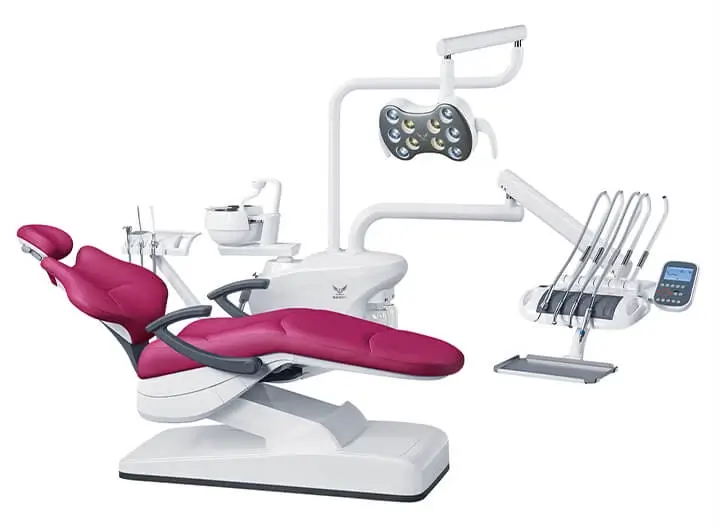
For the Gladent GD-S600 Hydraulic Dental Unit, a model-specific checklist can cover its hydraulic drive, automatic full-waterline disinfection, tri-color oral light, and butterfly-shaped metal backrest. Chair movement, positioning, the disinfection cycle, and light controls require direct operating checks.
Repeated operation is more likely than a single cycle to reveal uneven travel or an intermittent response.
Water and air testing should cover fittings, internal tubing, instrument connections, cup filling, bowl rinsing, and drainage. Strong and weak suction should be checked for stable operation and correct connection.
The Gladent GD-S800 Disinfection Dental Unit combines one-touch full-waterline disinfection, nine memory positions, a dual-bottle water system, and cleaning functions for the waterline and high- and low-suction circuits.
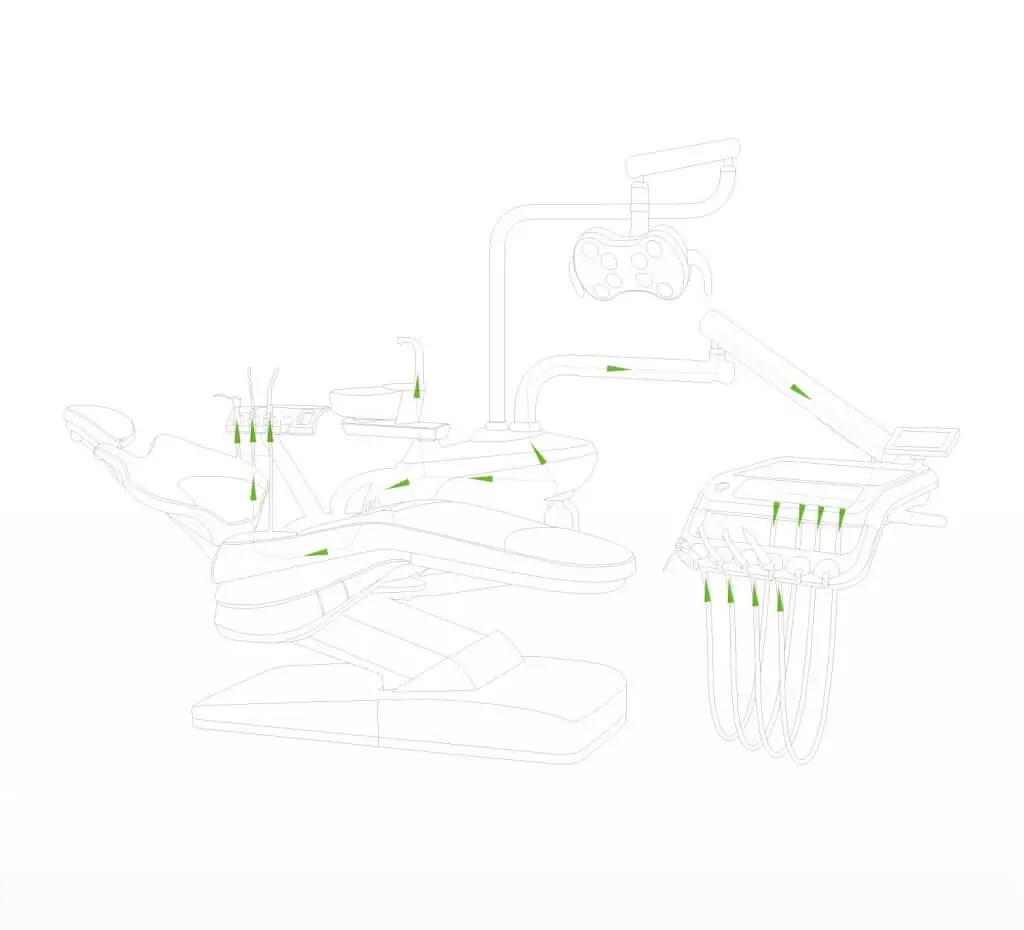
Inspection should run the complete workflow rather than confirming the controls through visual inspection alone. Connections, supplied accessories, and operating responses should also remain consistent across the batch.
Doctor controls, assistant controls, foot controls, chair memory, instrument activation, and oral-light adjustment should respond consistently.
The GD-S300 Integral Dental Unit provides practical acceptance points through its three memory positions, multifunctional foot control, dual water bottles, strong and weak suction heads, LED sensor oral lamp, and magnet-fixed side-box door.
A generic inspection form may overlook these model-specific differences. Each checklist should reflect the actual configuration being purchased.
Not every inspection item needs the same control method. Core operating functions and order-identification details should be checked on every completed dental unit. Longer cycle tests, detailed measurements, and selected cosmetic checks may follow an agreed sampling plan.
| Inspection Method | Recommended Items |
| Check every unit | Model and voltage, chair movement, controls, oral light, water and air delivery, suction, visible leakage, required accessories, nameplate, and package label |
| Sample selected units | Extended movement cycles, detailed dimensions, upholstery shade comparison, finish consistency, internal assembly review, and detailed packaging audit |
| Expand inspection when needed | Any repeated functional, component, cosmetic, or packing defect found during sampling |
The sampling level should reflect the order size, product complexity, previous quality history, and the seriousness of a possible defect. Safety-related or essential operating functions should not rely only on a small sample.
When the same defect appears more than once, the inspection should expand. Depending on the issue, this may mean checking a larger sample or moving to a complete reinspection of the affected function.
The inspection agreement should also state whether repeated defects trigger rework, replacement, retesting, or shipment delay.
Useful pre-shipment evidence may include:
Documents should match the confirmed model, quantity, destination, and package identification. A dental unit manufacturer should also show how corrected items are checked again before release.
A tested dental unit can still arrive damaged if trays, lights, arms, headrests, or detachable parts are not properly secured. Packaging checks should cover internal support, moisture protection, accessory placement, labels, and loading condition.
Each package should match the purchase order by model, upholstery, options, and destination. Separately packed stools, tools, spare parts, and optional devices should appear on a clear packing list.
Gladent Dental Unit supplies implant, mobile trolley, hydraulic, integral, pediatric, disinfection, and floor-fixed product categories. Mixed-model shipments need clear model, accessory, and crate identification.
A sample or pilot order can confirm configuration, utility connections, installation requirements, and local market needs before larger volumes begin.
Once approved, the pilot unit should become a documented production reference rather than an informal visual example.
Field-service records are useful purchasing data. If one connector, fitting, or accessory repeatedly creates installation problems, the next order should include a tighter inspection point for that item.
This feedback supports clearer acceptance criteria, better spare-parts planning, and fewer surprises in the destination market.
Consistent quality in bulk dental unit orders comes from control at every stage. A confirmed specification sets the standard. Component and change controls protect it during production. Functional checks, appropriate sampling, traceable records, and careful packaging keep the final shipment aligned with the approved order.
Foshan Gladent Medical Instrument Co., Ltd. was founded in 2013 and produces dental equipment in Foshan, China. Gladent Dental Unit offers hydraulic, integral, disinfection, implant, mobile trolley, pediatric, and floor-fixed configurations for different clinical and distribution requirements.
Procurement teams can submit the target market, order quantity, voltage, preferred model, required options, and expected delivery schedule for configuration confirmation and a bulk quotation.
Q1: What specifications should be confirmed before bulk production?
A: The model, drive type, voltage, plug, upholstery, clinical configuration, accessories, labels, manuals, packaging, and inspection criteria should be confirmed in writing.
Q2: Should every dental unit be function-tested before shipment?
A: Core functions such as chair movement, controls, lighting, water, air, suction, drainage, and visible leakage should be checked on every unit. Longer cycle, dimensional, cosmetic, and detailed packaging checks may follow an agreed sampling plan.
Q3: What quality records should a dental unit supplier provide?
A: Useful records include approved specifications, component lists, serial-number test sheets, functional test videos, defect and retest records, packing lists, model labels, and loading records.
Q4: How can buyers verify that bulk units match the approved sample?
A: Selected production units should be compared with the signed specification, component requirements, color reference, accessory list, operating checklist, and packaging standard. Core functions and order-identification details should still be checked on every unit.
Q5: What should happen if repeated defects are found before shipment?
A: Repeated defects should trigger wider inspection, corrective work, and retesting. Depending on the defect and its frequency, the order may require complete reinspection of the affected function, replacement, or shipment delay.
 No. 1, No. 2, Fenggang Industrial Zone, Lianhe, Luocun, Shishan Town, Nanhai District, Foshan City, China
 Call us now:+86-757-81267151