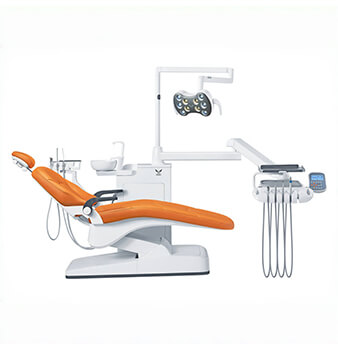
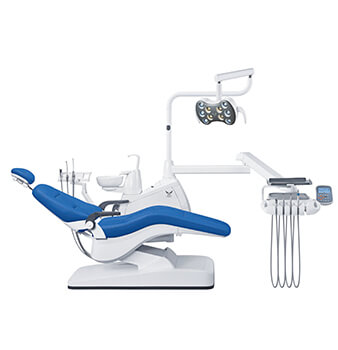
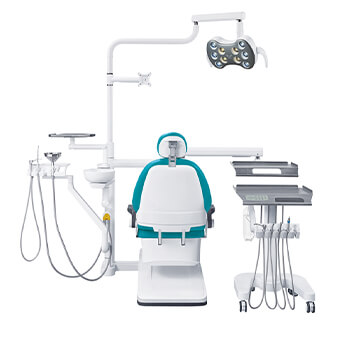
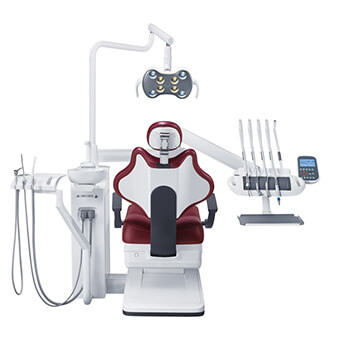
Dental chair units act as main gear in dental offices. They link water, electricity, and gas setups to aid tasks like drilling, cutting, polishing, scaling, and gum care. Newer models add endoscopes, electric motors, ultrasonic scalers, and light-curing devices. Right daily use, full cleaning, and steady upkeep affect gear life, work speed, care results, and germ block for workers and patients.
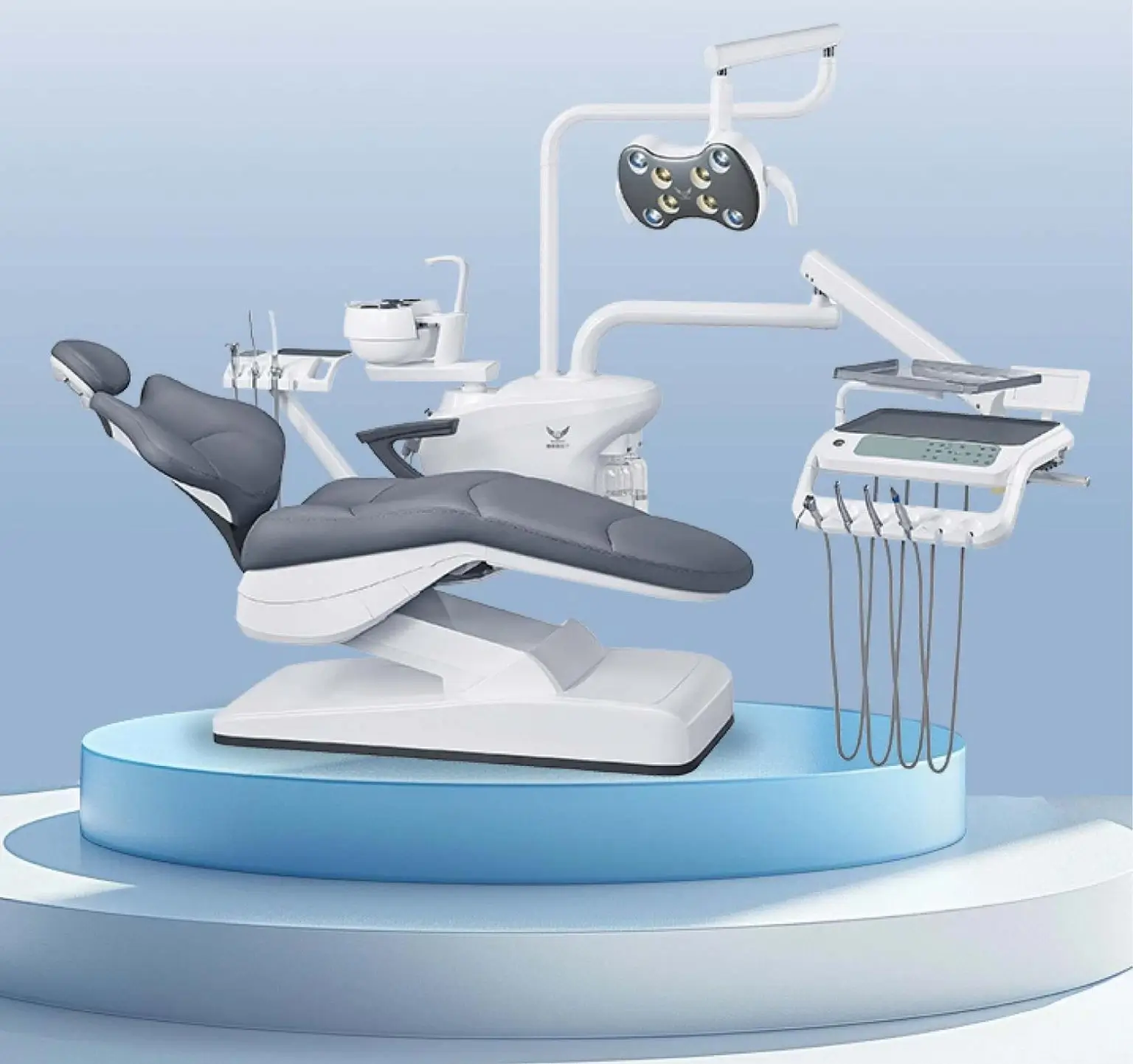
Daily Use and Cleaning of Dental Chair Units
Daily steps handle high patient touch and dirt risks from spit, blood, and sprays. These can grow germs if not handled well.
1. Daily Pre-Clinic Check-Up
Before starting care, do steady checks to make sure function and safety.
- Turn on the main power switch at the floor box. Check if the dental chair moves and instrument tray works.
- Open water and gas main switches under the instrument tray. See if pressure gauge shows match manufacturer specs. Adjust if needed.
- Drain water drops from the gas line through the water-gas separator. This clears wet build-up.
- Test the work control panel and foot pedal. Make sure they respond without error lights.
- Look at turn joints on the oral lamp, three-way syringe, strong suction, and weak suction. Check for easy, free moves.
2. Maintenance After Each Patient Use
After care steps clear body dirt and clean surfaces. This cuts germ spread.
- Take off and heat-sterilize the silicone pad from the instrument tray.
- Remove dirty handpieces. Wipe off seen dirt. Flush inside tubes with foot pedal for at least 30 seconds. Put neutral disinfectant on outside. Flush again for 30 seconds.
- Rinse the spittoon bowl with clean water. Put thinned disinfectant on inside and outside. Let it sit. Then rinse well.
- Suck clean water through strong and weak suction lines. Then use set amount of neutral disinfectant. End with final water rinse.
- Wipe all reachable surfaces. This includes the treatment console, patient chair cover, oral lamp handle, and control panel. Use neutral disinfectant. Focus on high-touch spots.
- Put the chair back to reset or start spot with the right button.
3. End-of-Day Maintenance Procedures
End daily work with full shut-down and deep clean.
- Do all after-patient upkeep steps.
- Turn off water and gas main switches under the instrument tray.
- Switch off the main power at the floor box.
- After gas cut, clear left pressure from lines with the three-way syringe. This stops tube wear or breaks from long pressure.
- For take-off spittoon bowls, remove and clean well. Rinse under running water. Soak in thinned disinfectant for over 5 minutes. Wipe with clean cotton or one-use towels to clear remains. Rinse again. Put back tight.
Importance of Infection Control in Dental Chair Maintenance
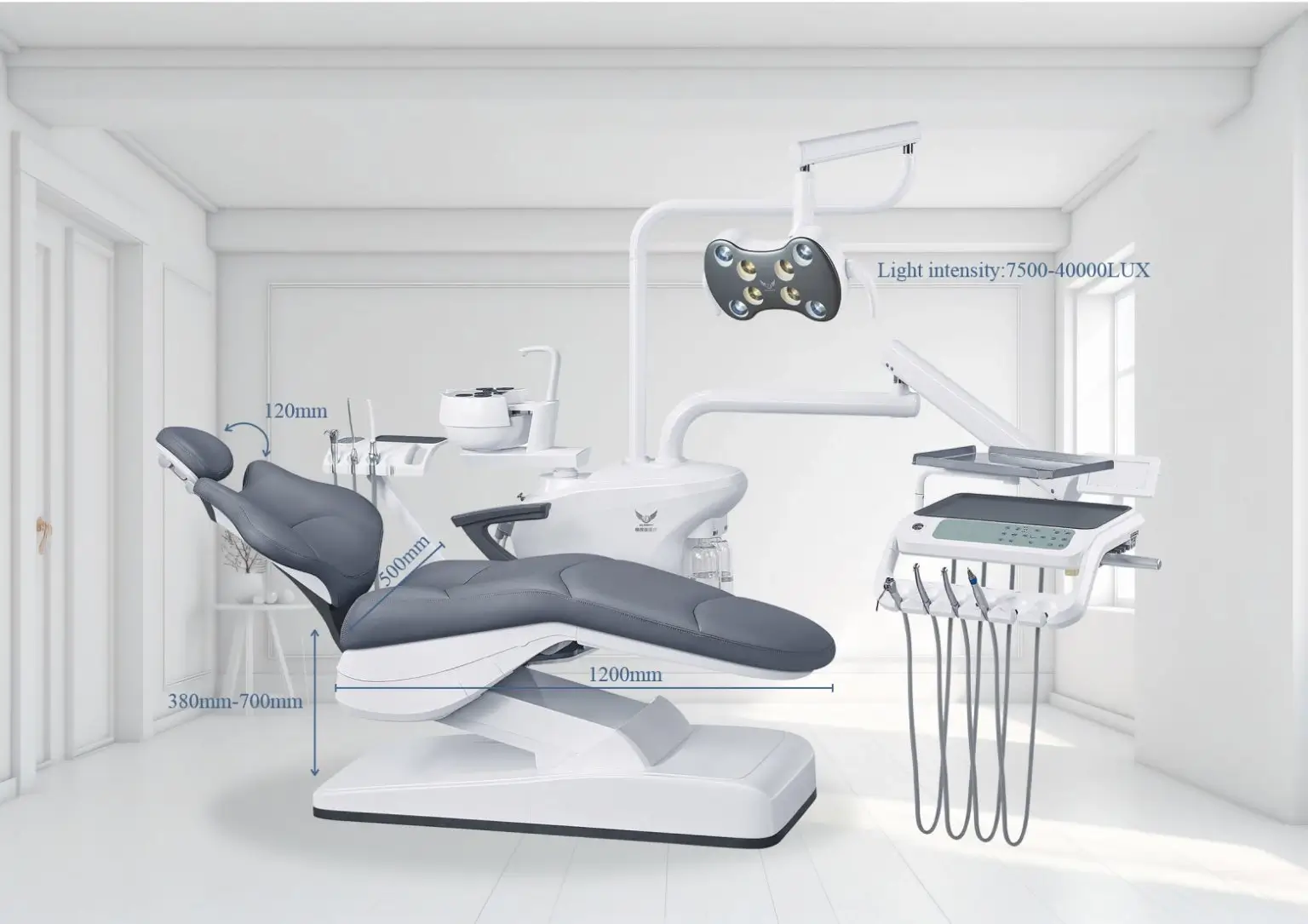
Good germ control steps guard against germ spread. This matters a lot in dental spots. Germ films in waterlines and suction setups give ongoing risks. They need steady clean. New dental units add parts like two-bottle setups for pure water and cleaners. These let aimed rinse of lines. Automatic pulse clean kills up to 99% of bad germs in inside paths. Smooth covers and few cracks cut spots for germs to build. Steady follow of these steps meets rule needs. It also boosts patient safety.
Advanced Features Enhancing Cleaning and Maintenance
Current dental units focus on plans that make clean steps simple.
One-Touch Disinfection Systems
Built-in one-key clean auto does full waterline heat-kill. It covers handpiece tubes, three-way syringes, scalers, suction lines, and spittoon drain. This cuts hand rinse changes. It makes sure full germ cut.
Multi-Stage Water Filtration
Three-step filter setups fix common water problems:
- First step grabs big bits like sand or junk.
- Second step, often with brought-in good filters, takes out bits ≥40 microns.
- Third step aims at hard build from hot water sources. It guards valves and solenoids from blocks that cause leaks or uneven flow.
Such setups stop problems like stuck valve parts, drip syringes, or slow handpiece water stop after long use.
Durable Materials and Ergonomic Design
Brought-in water and air tubes fight break-down. Good motors give steady work with little upkeep. Body-friendly parts, like movable headrests and memory spots, aid fast clean reach. They keep patient ease.
Dental Chair Daily and Regular Maintenance
Past daily tasks, set upkeep stops machine breaks. It grows service life in hard electro-pneumatic-hydraulic setups.
General Operational Recommendations
- Cut often on/off for work and view lights. This saves bulb life.
- Clean strong and weak suction filters often. This keeps suck power and stops blocks.
- Watch and hold water and air pressures in suggested ranges. This avoids line harm.
- Clean and wipe the oral lamp often. Take off able handles for heat-kill.
- Change or clean water filters now and then. Base on local water hard and quality checks.
Mechanical and Component-Specific Care
- Check patient chair move parts. Oil moving bits with right oil to cut wear.
- For hydraulic setups, check fluid levels and state in tanks. Add or change as shown.
- For belt-move parts, check and set belt pull.
- Look at instrument and oral lamp arms for loose or wear. Tighten links fast to cut safety risks.
- Upkeep doctor’s stool: clean cover, clear junk from gas spring rods and add light oil. Treat change parts the same.
Handpiece Maintenance Protocols
Handpieces need special care for long life and clean state.
- Heat-kill with autoclave after each use. This stops germ spread.
- Before first use, add 1-2 drops of fast lube to the drive shaft.
- Daily: clean outside and flush with clean lube.
- Every two weeks: take apart and clean small bearings.
- Run in 0.2-0.25 MPa pressure. Avoid dry run to guard bearings.
- Change worn burs right away to keep cut power.
Common Issues and Preventive Strategies
Long use without good filter often causes:
- Leaks in three-way syringes or handpiece joints from hard build.
- Stuck solenoid valves causing spittoon or mouthwash fails.
- Low water flow or uneven give.
Stop steps with multi-step filter and usual flush cut these. They steady work and lower fix needs.
Frequently Asked Questions (FAQ)
What is the recommended frequency for disinfecting dental chair waterlines?
Daily post-patient flushing with disinfectant, supplemented by end-of-day thorough procedures. Advanced units with one-touch systems automate this for consistency.
How often should suction filters be cleaned?
Regularly, at least weekly or as buildup occurs, to sustain optimal suction power.
Why is multi-stage water filtration important?
It removes particulates and scale that cause valve clogs, leaks, and inconsistent performance, significantly extending component life.
Can handpieces be maintained without disassembly?
Daily external cleaning and lubrication suffice, but bearings require periodic deep cleaning every two weeks.
What neutral disinfectants are suitable for surfaces?
Use manufacturer-approved neutral pH solutions to avoid damaging upholstery or electronics.
Partner with a Trusted Dental Unit Manufacturer and Supplier
As a leading manufacturer, supplier, and factory of premium dental units, Gladent delivers high-quality, CE-certified equipment designed for durability, ease of maintenance, and superior infection control. Models like the GD-S800 Disinfection Dental Unit feature one-touch full pipeline disinfection, imported components, and ergonomic designs that simplify daily protocols while ensuring long-term reliability. Dental equipment distributors, clinic owners, and healthcare procurement professionals seeking stable performance, competitive pricing, and on-time delivery are invited to explore Gladent’s comprehensive range of hydraulic, integral, disinfection, and specialized units. Contact the team today to discuss OEM/ODM options, bulk supply, or tailored solutions for enhanced clinical efficiency and patient safety.
 No. 1, No. 2, Fenggang Industrial Zone, Lianhe, Luocun, Shishan Town, Nanhai District, Foshan City, China
 Call us now:+86-757-81267151