Bringing good dental care to faraway or needy places often runs into big problems. These include no steady electricity, poor facilities, and tough travel issues. Regular dental setups stay stuck in permanent clinics. This leaves lots of groups without important mouth health help. Portable dental units fix this problem. They pack key treatment tools into small, easy-to-move packages. Such options let NGOs, outreach groups, and traveling teams give care right where people are.
Gladent, a dedicated manufacturer based in Foshan, China, has created solid portable and mobile dental products for over ten years. They stress useful design and real-world strength. These units help extend services to many different places.
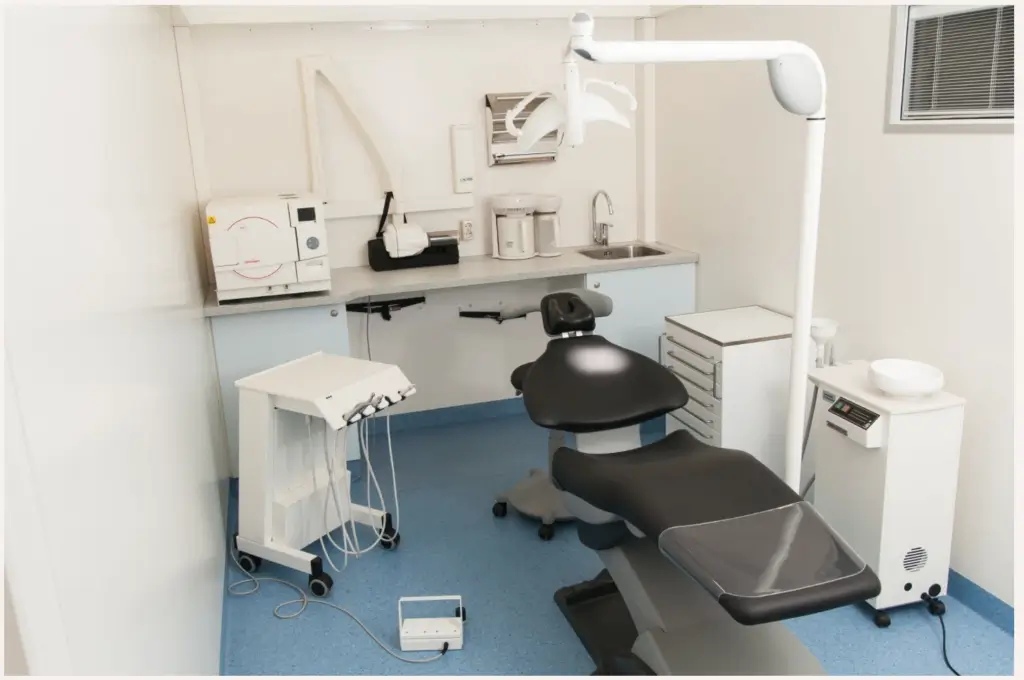
Portable dental units allow full care outside normal clinic spaces. These all-in-one systems put needed tools together in a carryable way. Dental workers can then do treatments in distant spots, disaster areas, or local spots.
The change from fixed to portable setups shows wider progress in dental gear. Old mobile tries felt heavy and weak in what they could do. Newer styles focus on toughness, simple carrying, and steady work in hard situations. This change has helped make dental help more open to all, especially in areas with little setup.
Portable units give clear benefits over fixed ones. They need very little setup time and often start working in just minutes. They run on their own with built-in power and water. These points become very useful in urgent responses or country outreach, where normal clinics do not exist.
New portable dental units mix strong build with features centered on the user. They work well in many kinds of places. These systems put air pressure, suction, and tool delivery into small frames that are good for moving.
Power choices stand out as a key point. Mixed setups let users switch from AC power to battery. This gives several hours of steady use in places without grid power. Such flexibility fits mobile clinics where electricity can be unsure.
Being easy to move stays at the heart of the design. Units have even weight spread, strong wheels for different ground, and comfortable handles for easy carrying. Light build makes moving by car or even by hand simple in hard spots.
New units put stress on lasting long with stronger materials and closed parts. These fight dust, wet air, and bumps. Lower noise helps keep patients calm. Easy-to-reach fix spots make care in the field simpler.
Gladent’s mobile solutions, including models like the GD-S350 and GD-S200 Plus with mobile trolleys, show these points well. They have strong and weak suction systems made from high-grade materials. These units bring bendable use and good work matched to outreach demands.
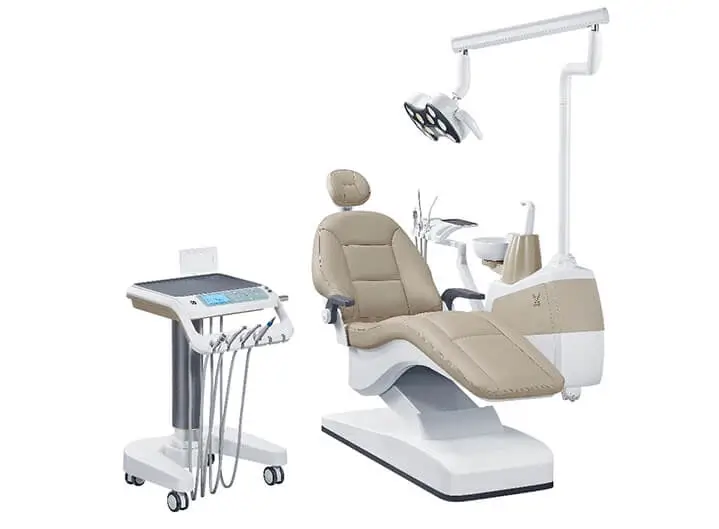
Portable dental units show real effects in worldwide outreach work. In country and far-off areas, these systems remove travel blocks for patients. They bring care that stops problems and fixes issues right to local groups.
Traveling teams in hilly or cut-off places use portable units for regular clinics. They offer cleanings, fillings, and simple extractions. Quick setup allows smooth care giving. It raises the number of treatments even with short time there.
During disasters, all-in-one units allow fast setup. Teams make short-term care spots without needing broken facilities. They handle pressing needs and stop issues from untreated problems.
School programs gain from small designs that fit in classrooms or local areas. These efforts give checks, sealants, and teaching to kids. They tackle early tooth problems in groups that lack help.
Military and aid work count on tough, portable gear for front spots or refugee places. The units handle daily care and urgent fixes. They stand up to rough moving.
Field numbers show good efficiency. Setups finish in under 20 minutes and allow many patients. Steady work in tough settings keeps performance even and backs long outreach efforts.
Picking a good portable dental unit means checking work needs against what the gear can do. Main points to think about cover planned treatments, local conditions, and travel limits.
The range of work sets needed features. Simple care needs solid suction and light. Fixing work calls for exact handpiece hold and enough power.
Budget review covers long-term costs too. This includes upkeep, supplies, and service help. Bigger upfront pay for strong units often saves money by less stop time.
Supplier trust matters a lot. Manufacturers with real field know-how, quick help, and worldwide parts supply boost success in use.
Gladent’s range, including mobile trailer-type units, meets these points with useful designs fit for many outreach uses.
Progress in portable dentistry keeps improving skill and smooth work. New tech adds digital aids for better checks, links for record keeping, and stronger germ control.
Good setup starts with careful planning. Checking needs spots service holes. Then pick gear that fits those needs. Staff training includes running, upkeep, and field rules.
Test runs check work flow before growing bigger. Steady watch and input lead to small changes. This keeps good results going.
Portable dental units change outreach. They allow steady care in tough spots. They mix easy moving with treatment skill. This backs work to raise mouth health fairness around the world.
A1: A portable dental unit is a compact, self-contained system that includes essential dental tools such as handpieces, suction, air compression, and water supply, designed for use outside permanent clinics.
A2: Selection involves assessing portability, power options, procedure compatibility, durability, and long-term support to match specific mobile clinic requirements.
A3: These units serve mobile clinics, rural outreach, disaster response, school programs, humanitarian missions, and military operations in underserved or temporary settings.
A4: Essential features include reliable compressor and suction, flexible power sources, LED lighting, lightweight construction, and easy maintenance for field use.
A5: They effectively support basic to intermediate procedures like exams, cleanings, fillings, and extractions, though complex surgeries may require additional specialized equipment.
A6: They improve access by overcoming transportation and infrastructure barriers, delivering preventive and restorative care to isolated populations.
A7: Costs vary based on features, ranging from basic models to advanced configurations with hybrid power and enhanced components.
A8: Routine tasks include cleaning suction and water systems, checking compressor function, inspecting instruments, and following manufacturer guidelines for longevity.
As a leading manufacturer, supplier, and factory of dental equipment, Gladent offers high-quality portable and mobile dental units tailored for outreach programs and mobile clinics. With CE-certified products, competitive solutions, and global export experience, Gladent supports partners in expanding dental access worldwide.
Contact the Gladent team today to discuss custom configurations, request specifications, or arrange consultations for mobile trailer-type or portable solutions. Reach out via email at gladent08@dental-chair.cn or WhatsApp at +86 13543616157 to explore how Gladent can support business needs in delivering reliable outreach dentistry.
 No. 1, No. 2, Fenggang Industrial Zone, Lianhe, Luocun, Shishan Town, Nanhai District, Foshan City, China
 Call us now:+86-757-81267151