The dental field keeps moving forward quickly. Automation takes a main part in changing dental chairs. It turns them from simple mechanical frames into smart, able systems. Today’s dental chairs use electronic switches, sensors, set functions, and built-in tech. These parts boost accuracy, speed, and safety in office work. Such changes let dental offices give better care. They also smooth out tasks and cut daily problems.
Automation raises the level of dental gear. It tackles main parts of patient care, worker output, and office running. The next parts look at the key ways automation changes the modern dental chair.
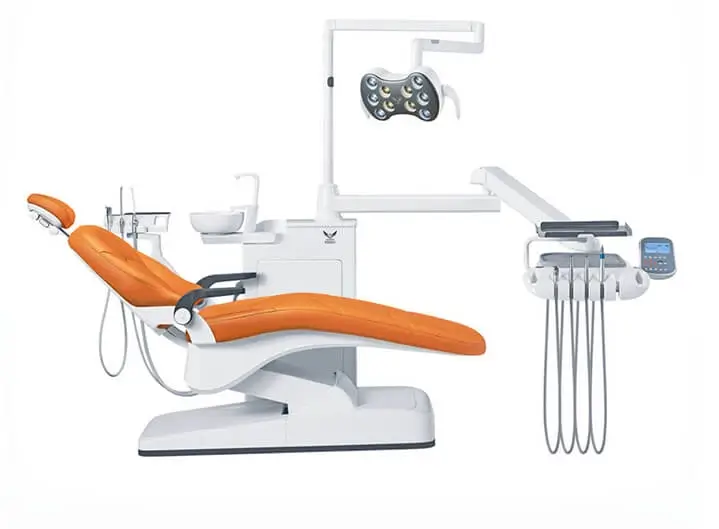
Old dental chairs used hand-operated hydraulics or simple levers for setup. This often led to uneven shifts, worker tiredness, and few options. As time passed, the move to automation added electric motors, electronic wires, and sensor-led parts. These allow even, exact moves.
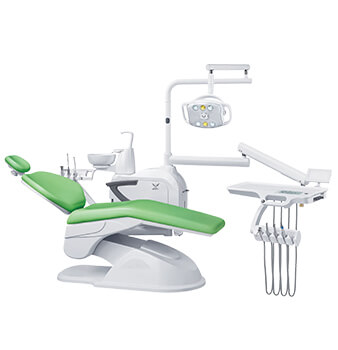
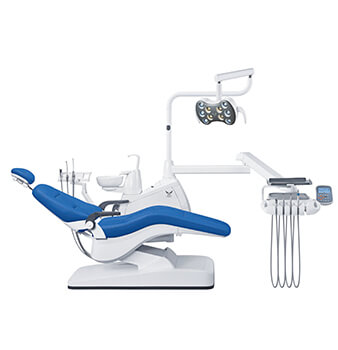
Current dental chairs have Taiwan-sourced motors for steady work. They include electric lift setups with gentle-start options. Also, hybrid drive choices mix hydraulic steadiness with electric accuracy. Models such as electric dental units have offset setup to keep body-friendly angles in treatments. This change aids quicker ready times, steady setups, and less body stress. It shows a big step away from past hand designs.
Automation puts patient feelings first. It gives smooth and right chair shifts. Electronic switches let for slow, shake-free changes. Use foot pedals, touch screens, or set memory options.
Main parts cover several set spots—usually up to nine. They save exact setups for different care, like straight entry, leaned work modes, or Trendelenburg spots. Gentle lift parts cut sudden shifts. Body-friendly chair plans add movable headrests, back support, and matched backrest-legrest moves. These ease pressure spots. Extra ease comes from warm massage in some models. Control them from afar. Induction-based water flow gives clean, no-touch use. These parts help lower patient worry. They also raise follow-through in long treatments.
Dental workers gain a lot from automated parts. These push good work poses. Electric chairs change height, slant, and turn with ease. Often, they have 360-degree two-sided switches. These shift smoothly between left- and right-hand use.
Bump guards stop unplanned hits. Automatic spot memory brings back liked setups for varied workers. Turnable unit boxes and cast aluminum arms place tools in close reach. This cuts pulling and repeat stress. Sensor-turned LED work lights with changeable color heat and strength give best light. No hand work needed. This avoids early-hardening problems in fixes. Such links lower body pain issues. They back longer, better office times.
Today’s automated dental chairs act as main centers for linking extra tools. Touch-sensitive tool trays and switch boards link handpieces, syringes, scalers, and mouth cameras. They use one interface.
Supply systems have many handpiece spots (often six). Automatic start and stop make tool switches fast. LED sensor lights link right to chair parts. They shift by care needs. Turnable unit boxes raise easy reach. Fit with digital setups lets real-time watch. This linked way cuts wire mess. It speeds tasks. Also, it backs good multi-care treatments.
Germ control stays top. Automation pushes clean rules a lot. Full automatic one-key clean systems rinse handpiece lines. Spittoons with automatic rinse and bowl clean cut hand wash needs.
Built-in clean parts cover rinse for waterlines and air setups. Some plans have UV-fit spots. Bump guards, emergency stop parts, and sensor-based switches stop germ spread risks. These automatic steps keep steady clean levels. They meet rule needs. Also, they free workers for patient tasks.
New dental chairs add watch systems. They track work facts live. Electronic checks spot odd parts in motors, hydraulics, or electric bits. They send warnings for possible problems before breaks happen.
Automatic shut after clean cycles and self-set parts ensure steady trust. Such skills cut surprise stops. They stretch gear life. Also, they fine-tune fix plans for offices.
Automation helps green goals through smart power handling. Auto shut works in quiet times. Energy-saving LED lights and sensor-run water/air parts cut use.
Low-voltage motors (e.g., 24V) and tuned hydraulics drop total power needs. They keep work level. These plans match green rules. They aid offices in money saves over time.
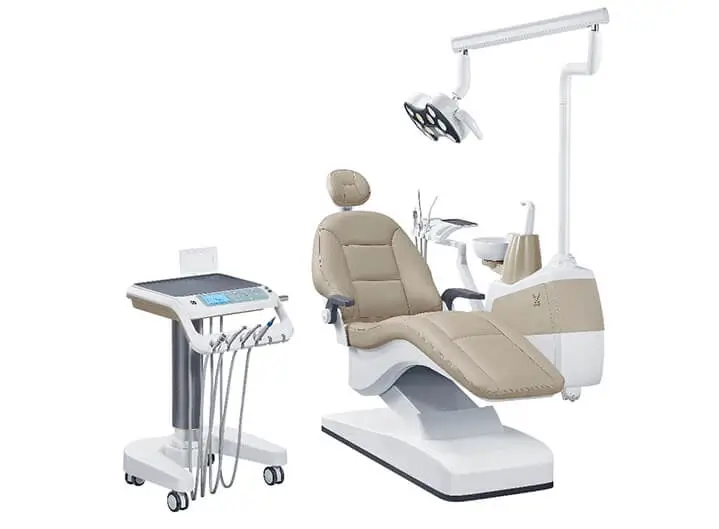
Dental chairs give wide setup choices for special needs. Set presets fit orthodontics, implantology, pediatrics, or general dentistry. Modular extras like screen holders or long supply arms add on.
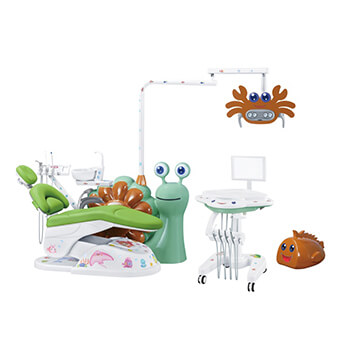
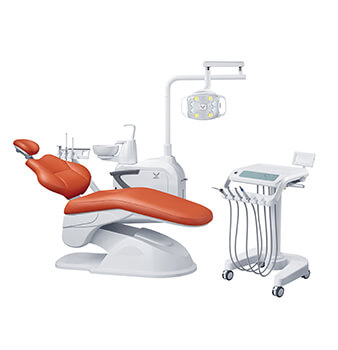
Models cover kids-type units with fun looks. Clean-focused kinds for high-germ spots. Mobile trailer types for bend. Floor-fixed or whole setups for steady. Two-sided parts and body-friendly boosts ensure fit in varied office cases.
Old chairs slow office output and patient like. Think of switch when facing:
Switching to an automated dental chair fixes these problems. It brings long-run trust and better care give.
Automation changes dental chairs at the base. It mixes exact build with real gains for offices around the world. As a leading manufacturer and supplier of premium dental units, Gladent focuses on making high-quality, CE-certified dental chairs and full treatment systems. With over a decade of skill, Gladent gives new models with electric switches, gentle lifting, sensor lights, set spots, and new clean systems to fit varied office needs. Dental equipment distributors, clinic chains, and health providers seeking steady, factory-direct fixes can team with Gladent for good prices, solid quality, and on-time send.
Automated dental chairs include electric motors for smooth positioning, programmable memory settings, sensor-activated lights, automatic disinfection cycles, and integrated controls for handpieces and auxiliaries.
Features such as one-key pipeline disinfection, automatic spittoon flushing, and touchless water supply reduce manual handling and maintain consistent hygiene standards.
Ergonomic elements like ambidextrous controls, anti-collision sensors, and adjustable armrests minimize strain, support varied operator preferences, and enhance long-term practitioner health.
Gladent produces integral, hydraulic, electric, disinfection, implant, kids, mobile trailer, and floor-fixed dental units tailored to different clinical requirements.
How can automation reduce operational costs in a dental clinic?
Predictive diagnostics prevent breakdowns, energy-efficient components lower utility usage, and streamlined workflows decrease procedure times and labor needs.
Dental equipment manufacturers, suppliers, distributors, and large-scale clinic operators looking for premium, customizable dental chairs benefit from collaborating with Gladent. As a dedicated factory and global supplier, Gladent delivers CE-certified dental units with advanced automation features, competitive wholesale pricing, reliable production capacity, and comprehensive ODM/OEM services. Contact the Gladent team today via email at gladent08@dental-chair.cn, telephone at +86-757-81267151, or WhatsApp at +86 13543616157 to discuss bulk inquiries, product specifications, or partnership opportunities for elevating dental practice standards.
 No. 1, No. 2, Fenggang Industrial Zone, Lianhe, Luocun, Shishan Town, Nanhai District, Foshan City, China
 Call us now:+86-757-81267151