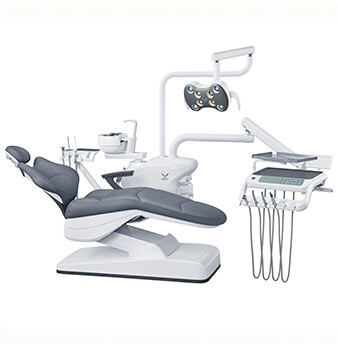
For many dental clinics, purchasing a new Dental Unit begins with comparing different suppliers, quotations, and equipment options. At first glance, many models may appear similar, making it difficult to understand which choice will work better after installation.
The differences usually become clearer during daily use. A unit that looks suitable in a product comparison may not always match the way dentists and assistants work. Maintenance needs, technical support, and equipment configuration can have a direct impact on the clinic experience over time.
This situation is common in new clinic projects and equipment replacement plans. Many buyers focus on the initial quotation, but factors such as workflow compatibility, service support, and future requirements often influence the real value of the purchase.
A Dental Unit should fit the clinic’s treatment environment rather than simply meet a list of product specifications. Looking at common purchasing mistakes before ordering can help clinics and distributors make a more practical decision.
A common challenge during equipment selection is that buyers start comparing models before deciding what the clinic really needs.
Different dental practices operate in different ways. A general dental clinic, an implant center, and a pediatric practice may have different expectations for equipment configuration, working space, and daily workflow.
Before asking suppliers for quotations, buyers can first review several practical points:
For example, an implant-focused clinic may pay more attention to procedure workflow and equipment arrangement, while a general dental practice may prioritize flexibility and reliable daily operation.
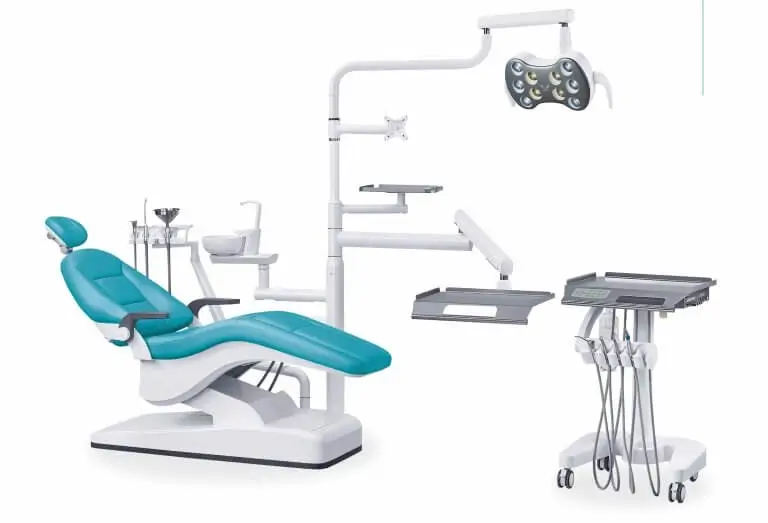
The suitable Dental Unit is not necessarily the model with the longest feature list. It is the one that supports the clinic’s actual working process.
GLADENT provides different Dental Unit solutions for various applications, including implant dental units, hydraulic dental units, pediatric dental units, and general treatment models. This allows clinics and distributors to select equipment according to their treatment requirements.
Price is an important part of any dental equipment purchasing decision. This is especially true for new clinics that need to manage their opening budget carefully.
However, the lowest quotation does not always mean the lowest total cost.
A Dental Unit is used every working day. In real projects, differences in equipment stability, service support, and maintenance requirements often appear after the equipment has been installed and used regularly.
When comparing different Dental Unit options, buyers should consider:
| Evaluation Factor | Why It Matters |
| Equipment stability | Supports consistent daily treatment |
| Maintenance requirements | Influences future operating costs |
| Spare parts availability | Affects repair efficiency |
| Supplier support | Helps solve technical issues |
| Configuration suitability | Matches actual treatment needs |
For overseas buyers, the purchasing decision should include both the initial quotation and the expected experience during years of use.
A reliable Dental Unit supplier should help customers choose suitable equipment based on application requirements, not simply recommend the lowest-priced model.
Some buyers compare Dental Units mainly through appearance, specifications, or price. However, many practical differences only become noticeable after doctors begin using the equipment every day.
A treatment unit should support doctors, assistants, and patients throughout the treatment process.
Patients may spend extended periods in the treatment chair, especially during longer procedures. Smooth movement and comfortable positioning can influence the overall treatment experience.
The arrangement of instruments, control systems, and working position can affect how efficiently dentists and assistants complete procedures.
Infection control is an important consideration for modern dental clinics.
When selecting dental equipment, buyers should review water management and disinfection functions as part of their evaluation process.
GLADENT Dental Unit models include full water pipeline disinfection systems designed to support daily hygiene procedures and help reduce cross-contamination risks during operation.
Hydraulic systems are used in some Dental Unit models because they provide smooth movement and stable operation.
GLADENT hydraulic Dental Unit models use an imported hydraulic system designed for smooth lifting and reclining movement, supporting reliable performance during regular clinical use.
A dental clinic’s requirements may change after opening.
A practice may add dentists, expand treatment rooms, or introduce specialized services. Equipment selected only for current needs may limit future options.
Before confirming an order, buyers can ask:
For example, a family dental clinic may focus on flexible daily treatment, while an implant-focused practice may require different equipment considerations.
Planning these requirements before purchasing can help clinics avoid replacing equipment earlier than expected.
Purchasing a Dental Unit does not end when the equipment arrives.
For overseas buyers, installation guidance, technical communication, and after-sales support can influence the entire ownership experience.
A distributor may have different priorities compared with a private clinic owner. Distributors often focus on stable product support for multiple customers, while clinics may pay more attention to installation and daily operation.
Before placing an order, buyers should confirm:
For international purchases, clear communication before shipment can help reduce problems after delivery.
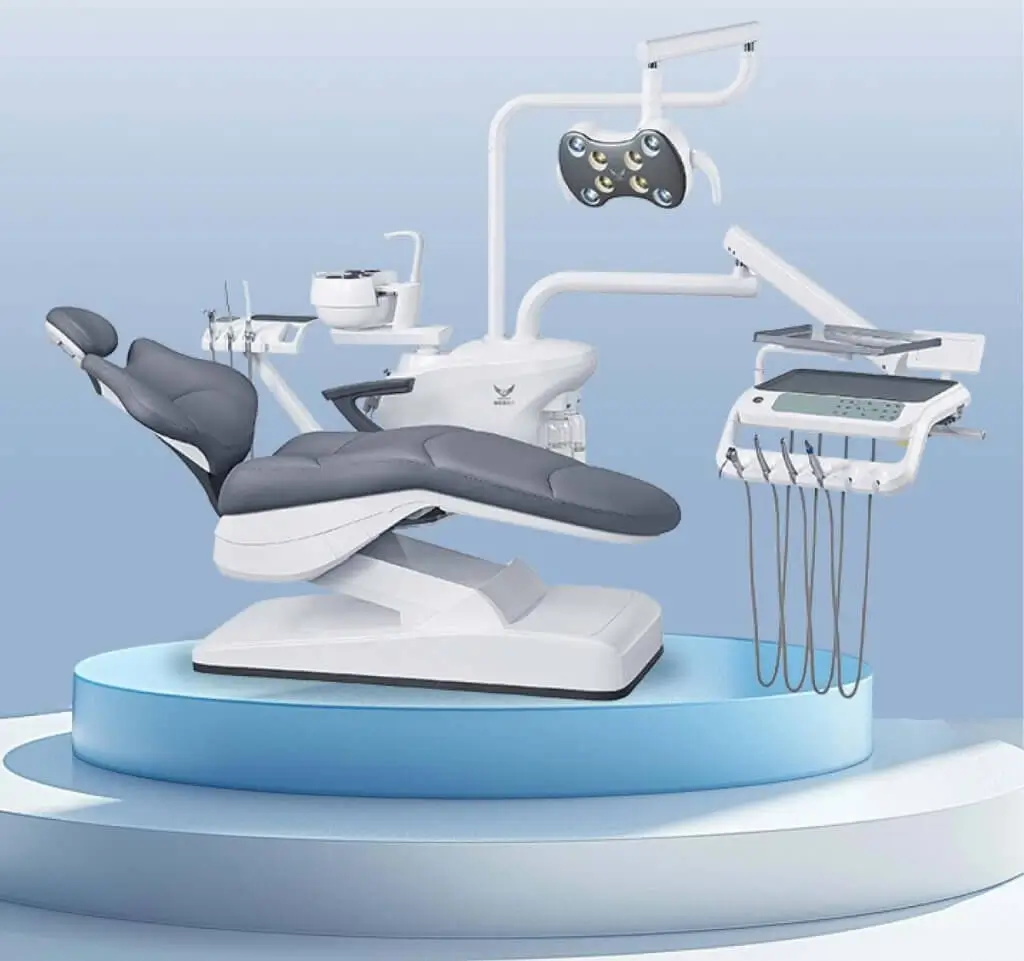
Choosing a Dental Unit supplier is not only about comparing product prices. The supplier’s ability to provide suitable equipment and ongoing support can influence the success of the project.
Before cooperation, buyers should review:
GLADENT develops Dental Unit solutions for different clinical applications and international markets. The product range covers general dentistry, implant treatment, pediatric dentistry, and other clinical requirements.
GLADENT Dental Unit products have obtained TUV Rheinland CE certification and ISO13485 certification, and comply with FDA-related medical device requirements for applicable markets.
With products supplied to international markets including Europe, North America, South America, the Middle East, and Southeast Asia, GLADENT supports clinics and partners with different dental equipment needs.
Before making a final decision, buyers can review the following points:
| Purchasing Question | Check Before Order |
| Does the model fit the clinic’s treatments? | ✓ |
| Are required functions included? | ✓ |
| Are certification requirements suitable for the target market? | ✓ |
| Is technical support available? | ✓ |
| Are spare parts and service options clear? | ✓ |
| Can the equipment support future clinic plans? | ✓ |
This checklist helps buyers avoid making decisions based only on price or product appearance.
A Dental Unit is a core part of daily clinic operation, and purchasing mistakes can affect the clinic experience long after installation.
The lowest quotation may appear attractive at the beginning, but equipment reliability, workflow suitability, supplier support, and future requirements often determine the real value of the purchase.
Before ordering, clinics and distributors should evaluate the complete purchasing process and choose equipment that matches their actual business needs.
GLADENT provides Dental Unit solutions for different clinical applications and international markets. If you are preparing a new clinic project, upgrading existing equipment, or looking for a suitable Dental Unit supplier, contact our team to discuss configurations and solutions based on your requirements.
A: Start with the clinic’s actual treatment requirements. Consider the procedures performed, available space, number of users, expected patient volume, and future development plans. A general dental clinic and an implant-focused practice may need different configurations, so the equipment should match the daily workflow.
A: Dental Unit pricing can vary depending on configuration, functions, materials, technology, accessories, and supplier support. Buyers should compare the overall value of the equipment instead of selecting a model only because it has the lowest quotation.
A: Buyers can review certification documents, production capability, product range, export experience, and technical support. For overseas purchasing, communication before shipment and support after delivery are also important factors.
A: In many cases, yes. General dental clinics often focus on flexible daily treatment, while implant clinics may need equipment configurations that better support implant procedures. The right choice depends on the clinic’s actual services and workflow.
A: Before cooperation, buyers should confirm product specifications, certification requirements, delivery details, installation support, warranty terms, and spare parts availability. These details are especially important for international orders because solving problems after shipment may require more time and coordination.
 No. 1, No. 2, Fenggang Industrial Zone, Lianhe, Luocun, Shishan Town, Nanhai District, Foshan City, China
 Call us now:+86-757-81267151