Dental implant surgery needs careful planning, steady hands, and tools that help keep accuracy high during complex work. Dental units, often called dental chair units, act as the main platform in modern implant dentistry. These special systems bring together patient positioning, instrument delivery, lighting, and extra controls into one complete workstation. Practices that focus on implant surgery dental units choose models that mix strong stability with useful functions to improve clinical results.
Implant Surgery Dental Units differ from standard dental chair units. They include features made for the special needs of osseointegration and surgical placement. The right dental unit cuts down on movement issues, improves visibility, and lowers tiredness for the operator during procedures that can take several hours.
 Ergonomic Design: Ensuring Comfort and Accessibility
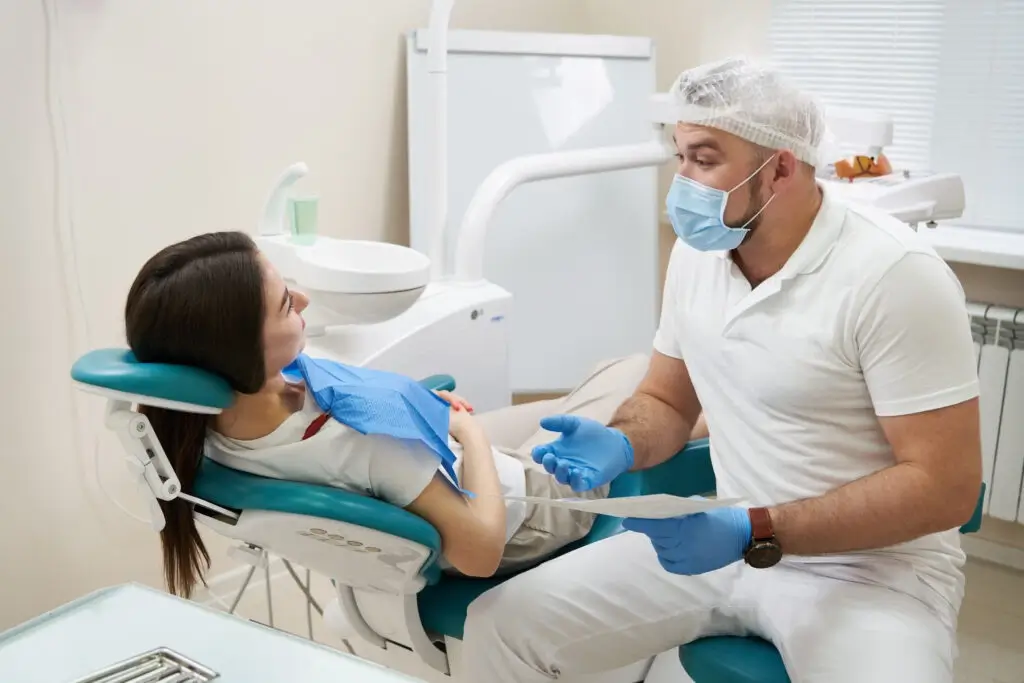
Ergonomic ideas build the base for good dental chair units in implant surgery. Makers design these units with shapes that fit human body structure. This allows smooth changes between lying flat and partly upright positions without losing patient stability.
The patient chair in a typical implant surgery dental unit has a wide backrest and supportive lumbar curve. These parts spread weight evenly. Adjustable armrests swing away or lock in position. They give clear access to the oral cavity from different operator spots. Headrests with multi-axis movement let the surgeon adjust the patient’s head angle with care. This matters a lot when accessing back teeth areas or doing sinus lifts.
Dentists feel less strain in their muscles and joints. The dental unit places the patient at good working heights. This setup helps clinicians keep neutral postures with elbows close to the body and wrists straight through long osteotomy preparations and implant insertions. Studies on dental ergonomics often link such features to fewer cases of neck and back pain among practitioners.
Implant surgery dental units use programmable positioning systems. These systems give small adjustments in height, tilt, and recline. Electric motors create smooth and quiet movements. Memory presets allow quick recall of common surgical angles.
During implant placement, surgeons often need the patient in a fully supine position for maxillary procedures or a slight Trendelenburg tilt for mandibular access. High-quality dental chair units answer right away to foot-control inputs or touch-panel commands. They remove the need for manual cranking that could cause vibrations. Some models include synchronized chair and delivery unit movements. These keep instrument reach steady no matter how the patient moves.
This level of control supports the sub-millimeter accuracy needed for guided implant surgery. Stable positioning lowers the chance of drill slippage. It also ensures consistent torque application when seating implants.
Contemporary dental chair units for implant surgery bring together several technologies. They create a smoother surgical setting. LED operating lights with adjustable intensity and color temperature light up the surgical field without making too much heat. Shadowless designs and focusable beams keep clarity even when hands or instruments block the light path.
Many implant surgery dental units have built-in multimedia interfaces or work with external monitors. These show real-time CBCT guidance and digital planning overlays. Sensor-activated controls reduce touch contamination. Integrated suction and air/water systems run quietly to keep a calm atmosphere.
Advanced models work together with surgical motors and piezosurgery devices. They allow smooth handpiece activation through the unit’s foot pedal. This integration cuts cable clutter and keeps the operative field organized.
Implant surgery dental units must handle repeated loading and tough daily use. Strong frames made from high-grade steel or reinforced composites form the main structure. Heavy-duty bases with wide footprints stop tipping or shifting even when patients of different body weights get in or out of the chair.
Hydraulic or electric lift systems in premium dental chair units provide steady lifting capacity. These often support patients over 200 kg. Seamless welding and corrosion-resistant coatings protect against disinfectants and bodily fluids. Manufacturers test these units through many cycles to confirm long-term mechanical strength.
A stable dental unit removes micro-movements that could affect implant angulation or primary stability measurements. This reliability helps a lot during immediate loading protocols where precise torque values decide success.
Infection control standards in implant surgery allow no compromise. Dental chair units designed for surgical environments use smooth, seamless upholstery and few joint gaps. Microfiber leather or medical-grade vinyl surfaces resist fluid penetration. They make quick wipe-down easy with approved disinfectants.
Detachable instrument trays and autoclavable components simplify sterilization workflows. Some units include automated flushing systems for waterlines and self-disinfecting suction pathways. Floor-fixed or mobile designs reduce dust buildup under the base.
These hygiene-focused attributes lower the bioburden between cases. They support strict aseptic protocols required for implant procedures.
Patients undergoing implant surgery often feel more anxiety. Implant surgery dental units address this with soft cushioning, temperature-controlled surfaces, and quiet operation. Memory foam or high-density padding fits body contours. Breathable microfiber covers prevent overheating during long appointments.
Gentle recline mechanisms and synchronized lighting adjustments create a less clinical feel. Wide armrests and secure but non-restrictive positioning help patients feel supported without causing claustrophobia. Lower noise from motors and suction adds to a calmer experience. This can improve patient cooperation and procedural success.
 Customisation Options: Tailoring to Specific Needs
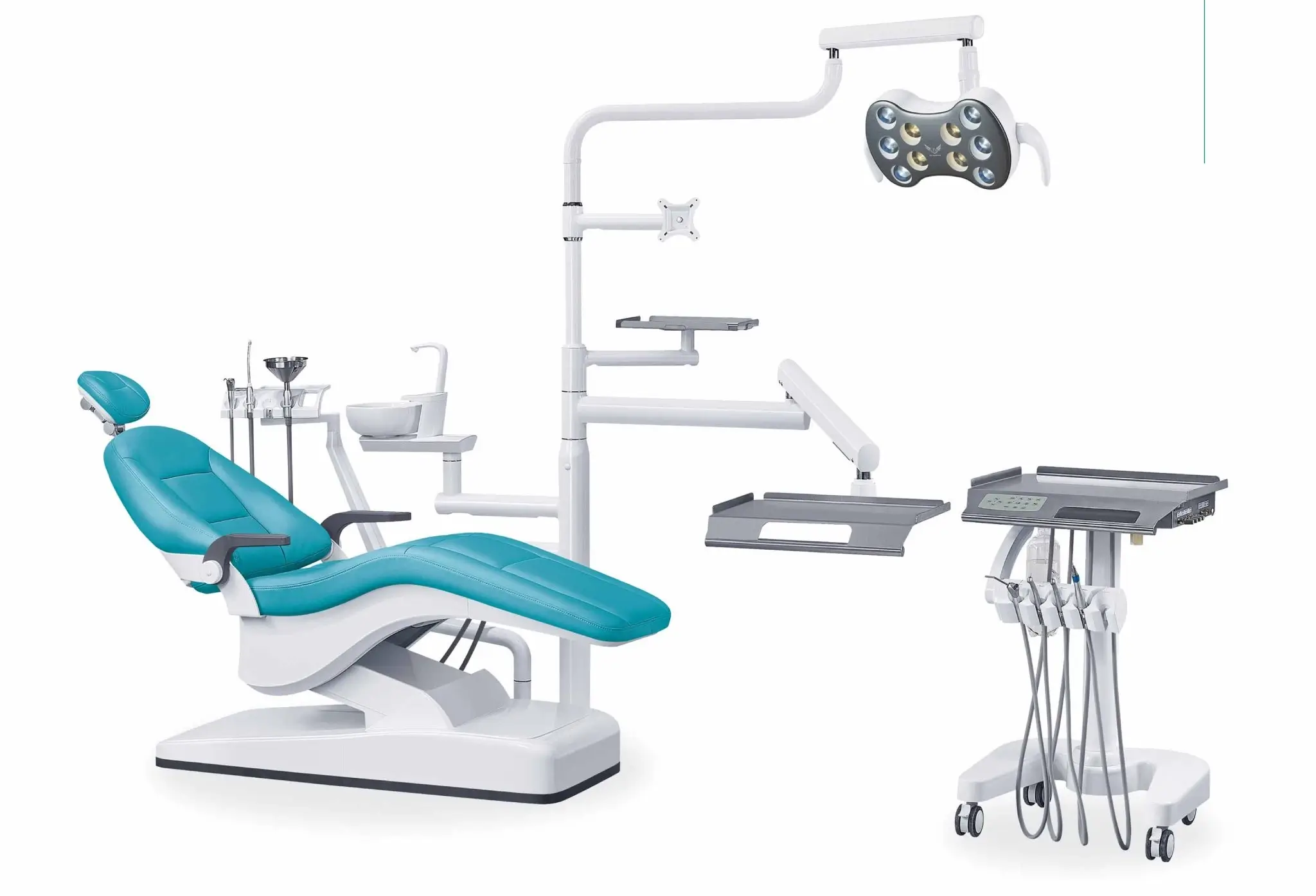
Dental practices differ in layout, procedural mix, and patient demographics. Leading dental chair units offer many customization choices. These include upholstery colors, left- or right-handed delivery systems, and modular accessory mounts. Some manufacturers provide options for integrated monitors, tablet holders, or specialized surgical trays.
The GD-S350 implant-type dental unit from Gladent shows careful customization with its rotatable instrument placement area and ergonomic patient chair. The unit’s stainless steel trays and detachable components let clinics set up the workspace based on individual surgeon preferences and four-handed or solo-operator workflows.
Safety mechanisms in implant surgery dental units include emergency stop functions, anti-collision sensors, and automatic locking during critical phases. Chair bases have low centers of gravity and non-slip floor interfaces. Electrical systems include surge protection and grounding to prevent shocks in wet environments.
Restraint options and quick-release mechanisms allow fast response if a patient feels discomfort or has medical events. These safeguards protect both patients and clinical teams while keeping procedural flow.
High-end dental chair units use medical-grade materials throughout. Stainless steel instrument consoles resist corrosion and support heavy instrument loads. Cast aluminum or reinforced polymer components balance weight and strength in mobile or hybrid designs. Surface treatments improve scratch resistance and keep appearance after thousands of cleaning cycles.
Implant surgery dental units usually offer over-the-patient, rear, or side delivery options. Over-the-patient systems give ergonomic benefits for solo operators by keeping handpieces within natural reach arcs. Rear delivery supports efficient four-handed dentistry with dedicated assistant instrumentation. Hybrid mobile carts, as seen in certain Gladent configurations, combine flexibility with dedicated implant tool storage.
Beyond basic LED lights, advanced units include high-CRI (Color Rendering Index) illumination that shows tissue tones accurately. Some models feature coaxial lighting or integration with loupe-mounted cameras for documentation and teaching purposes. These improvements raise diagnostic accuracy during site preparation and soft-tissue management.
Reliable dental chair units include centralized utility connections for air, water, and electricity. Built-in voltage stabilizers and backup systems prevent interruptions during critical drilling sequences. Quiet compressors and suction units integrated into the overall design keep a professional environment without distracting noise.
Gladent, as a dedicated manufacturer and supplier with a factory in Foshan, China, produces high-quality dental units including the specialized GD-S350 implant-type model. Established in 2013, the company maintains CE certification and exports to over 50 countries while emphasizing stable quality and competitive solutions for global dental professionals. Dental practices seeking reliable implant surgery dental units can explore Gladent’s range of dental chair units designed for precision and longevity.
Dental equipment distributors, clinic owners, and procurement teams seeking high-performance dental chair units and specialized implant surgery dental units should connect directly with Gladent. As an established manufacturer and factory-direct supplier, Gladent offers the GD-S350 implant-type dental unit along with a full range of customizable dental units engineered for precision and reliability.
Contact the Gladent team today via email at gladent08@dental-chair.cn, phone at +86-757-81267151, or WhatsApp at +86 13543616157 to request detailed specifications, quotations, or factory visits. Explore the complete product lineup and discover OEM/ODM capabilities tailored to volume buyers and international distributors. Reach out now to discuss requirements and arrange prompt delivery solutions.
 No. 1, No. 2, Fenggang Industrial Zone, Lianhe, Luocun, Shishan Town, Nanhai District, Foshan City, China
 Call us now:+86-757-81267151