The dental chair acts as the main piece in every dental office. It supports tasks from simple check-ups to complex implant work. Things like dental chair size, dental chair dimensions, and dental chair weight limit affect how comfortable patients feel. They also help dentists work better and keep the clinic running smoothly. Choosing the right one brings ergonomic advantages. It also fits different patient needs well.
This piece covers important facts about dental chair dimensions, common sizes, weight capacities, and ways to set up operatory spaces. These meet needs for both dentists and patients.
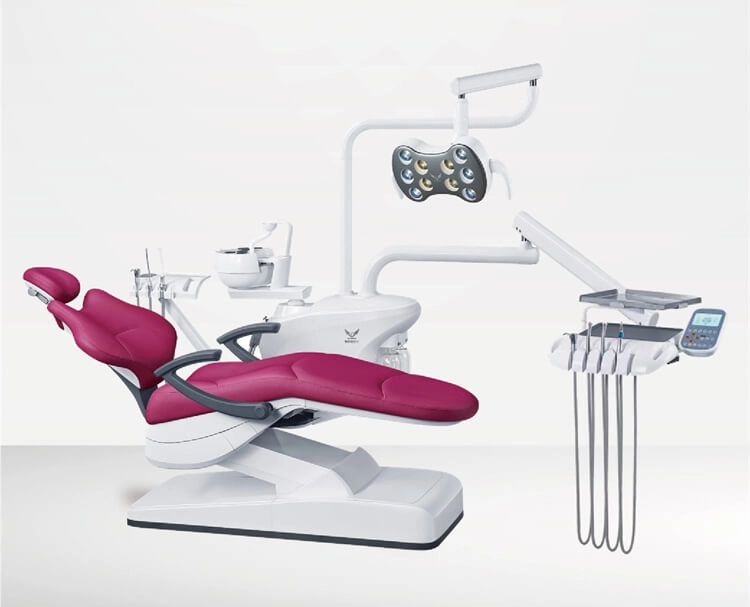
Dental chair size and dimensions play a big part in good clinical results. For dentists, adjustable dental chair height—usually from 18 inches (45 cm or 1.5 feet) to 30 inches (76 cm or 2.5 feet) from the floor to the seat—helps keep good posture. This cuts down on muscle problems like back pain, neck strain, and shoulder issues during long days.
For patients, a standard dental chair size with seat widths of 24–28 inches (61–71 cm or 2–2.3 feet) gives enough support and comfort in longer treatments. The total width, with armrests included, often reaches 28–32 inches (71–81 cm or 2.3–2.7 feet). The dental chair weight limit keeps things safe. Regular models manage 300–450 lbs (136–204 kg). Special bariatric ones handle even more. Many models from makers like Gladent come with strong builds. They support chair loads up to 135–300 kg based on setup.
The right dental chair height fits different dentist heights. Adjustable ranges from about 18–30 inches let people work in a natural way. Some models have minimum seat heights near 430 mm (17 inches) and maximums up to 720 mm (28 inches). This range allows steady lifting and smooth use.
Dental chairs need to match patient groups. Standard ones hold 300–450 lbs. Some handle up to 300 kg total weight. Smooth cushions and adjustable backrests make them work well for many body shapes.
When fully reclined, dental chairs often measure 72–80 inches (183–203 cm or 6–6.7 feet) long. Width runs from 24–32 inches, armrests included. Certain models show packaged sizes near 146 × 106 × 113 cm. Their weights sit around 250–300 kg for shipping and setup.
Planning operatories needs enough space around the chair. This allows easy movement, tool access, and good work flow for staff. Floor-fixed or hydraulic types give solid support. Mobile versions bring flexibility in tight areas.
Adjustable armrests, turning spittoons, and simple entry designs make things easier to use. This helps patients who have trouble moving. Many units have sensor lights and multi-function controls for quick changes.
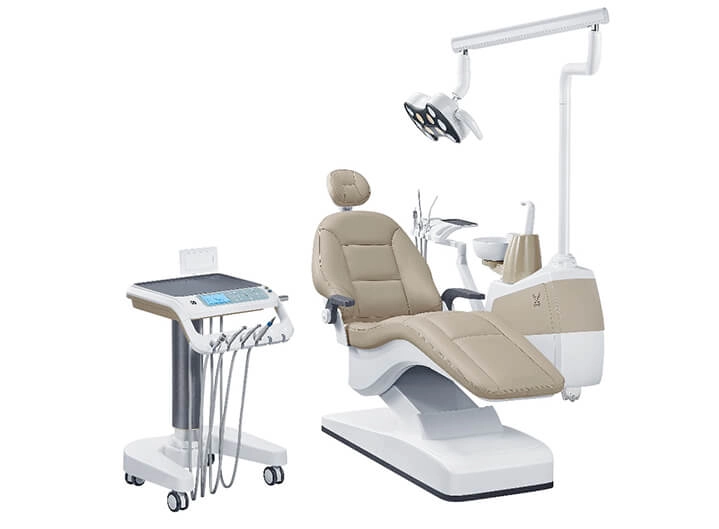
Dentist height affects the best chair choices. Taller people gain from higher adjustable ranges to stop bending too much. Shorter ones like lower starting spots for easy reach without too much strain.
Chairs must suit a wide range of patients. Good seat width and supportive cushions avoid unease. Strong weight capacities keep larger people safe. Flexible positions work for various sizes.
Procedures decide how versatile the chair needs to be. Implant, hydraulic, or integral units shift from upright to full recline. They fit cleanings, surgeries, or kids’ care. Models with ergonomic backrests and exact controls improve work flow.
Features like mobile trolleys, floor-fixed bases, or easy-clean designs help daily tasks. Simple adjustments and tough materials support lasting use. They also include more patients.
Dental chair size affects ergonomics, patient happiness, and procedure success. Picking suitable dimensions, heights, and capacities improves clinic work.
Gladent, a leading dental unit manufacturer, supplier, and factory based in Foshan, Guangdong, China since 2013, produces high-quality dental chairs under the Gladent brand. With CE-certified products exported to over 50 countries, Gladent offers models across implant, hydraulic, integral, disinfection, floor-fixed, mobile trailer, and kids series, emphasizing innovation, stable quality, and competitive solutions for dental practices worldwide.
No single standard exists. Sizes change by model and maker. Common setups include adjustable seat heights of 18–30 inches, seat widths of 24–28 inches, overall widths of 28–32 inches with armrests, and reclined lengths of 72–80 inches. These fit average patients well.
Yes. Most new dental chairs have adjustable parts for height, backrest angle (0–70 degrees or more), and other spots. These let staff tailor to patient height, build, and treatment needs. Controls come via hand or foot pedals.
Standard dental chairs support 300–450 lbs (136–204 kg). Many reach up to 135–300 kg load capacity (without extras). Bariatric or stronger builds take higher weights. Check maker details for exact numbers.
Look at dentist height, patient types, procedure kinds, and operatory space. Focus on adjustable parts, ergonomic shape, weight capacity, and clinic flow match for the best choice.
Dental practices, distributors, and clinics seeking premium, customizable dental units benefit from collaborating with an experienced manufacturer and supplier like Gladent. As a dedicated factory producing CE-certified hydraulic, implant, children, disinfection, and economical series dental chairs, Gladent delivers competitive pricing, stable quality, on-time delivery, and OEM/ODM options to meet global needs.
Contact Gladent today at gladent08@dental-chair.cn, +86-757-81267151, or WhatsApp +86 13543616157 for inquiries, product specifications, quotations, or partnership opportunities. Visit https://www.dental-unit.net/ to explore the full range and elevate dental operatory standards.
 No. 1, No. 2, Fenggang Industrial Zone, Lianhe, Luocun, Shishan Town, Nanhai District, Foshan City, China
 Call us now:+86-757-81267151