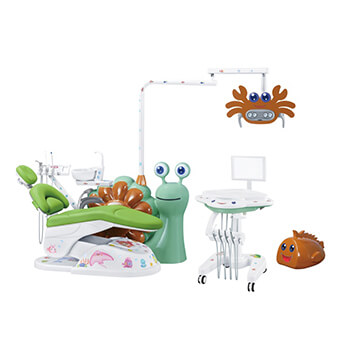
In 2026, implant surgery stands as one of the toughest and longest procedures in dental work. It needs not only surgical talent but also the proper tools—especially the dental chair unit. For offices doing implant work, the steadiness, easy reach, and built-in features of the chair can directly affect surgical accuracy, work speed, and in the end, patient results.
Implant treatments usually need long time in the chair, guided steps, and links with digital tools like CBCT and intraoral scanners. So, a top dental unit is no longer just about comfort. It is about success in the clinic. The perfect dental chair for implantology should give steady positioning without shakes, handle heavy patients often over 200kg, allow easy access for both the dentist and helper, and keep things clean to stop germs during hours-long operations.
In 2026, trends in dental tools are moving toward solid value, ready for digital links, and tough build for hard use. Offices look for dental units that are not only advanced but also easy to care for and cheap to run over time. That is where firms like Gladent stand out. Gladent’s CE-certified hydraulic dental chairs—like the GD-S600—provide imported hydraulic systems, even movement, strong weight support, and third-generation cleaning systems made for ongoing implant tasks.
This article looks at the top dental units for implant surgery in 2026. It points out leading models that offer good steadiness, precise ergonomics, lasting build, and fit for the office. Whether setting up a new busy implant center or improving an current room, this guide will help find the right unit for your needs.
Implant procedures often involve patients staying seated for long times, sometimes under mild sedation. A wobbly or weak chair will not work. The best dental unit should support at least 200kg without issues while keeping full function. Some better units like the GD-S600 have passed 1000 KGS load tests to ensure firmness even for heavier patients. Hydraulic systems work well here because of their even weight spread and shock handling.
Accurate positioning matters a lot during guided implantology or hand drilling. Seek out saved memory spots, fine tuning options, and designs that let the dentist reach the mouth from every side without blocks. The GD-S600 uses an imported hydraulic system with self-oiling parts and very smooth action. This helps cut down tiredness during hard procedures.
A setup with several handpiece spots for high and low speeds, a strong LED light for surgery with changeable color levels, and options to link with surgical motors or mouth cameras are key. Advanced models might also support CBCT arm adds or have spots for guide screens. Gladent’s butterfly tricolor lamp with German Osram bulbs gives exact white and yellow light choices to aid composite tasks and avoid early setting.
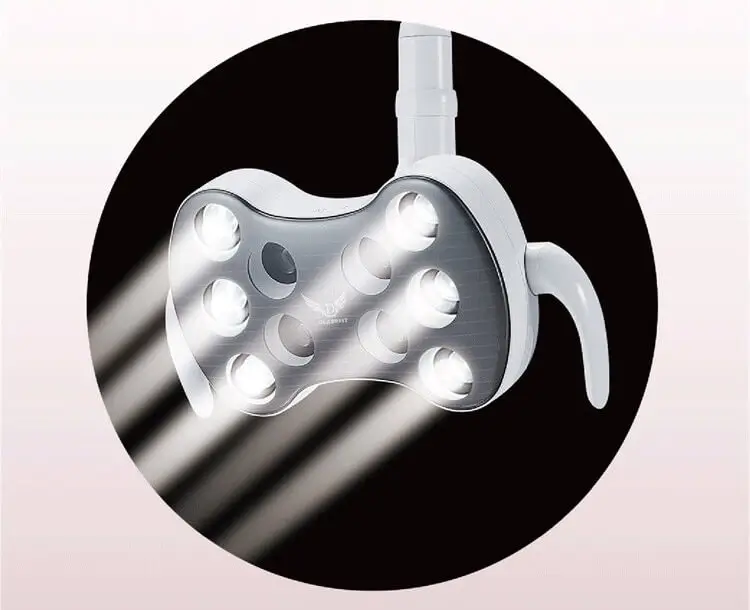
A solid implant unit must hold up to daily heavy use. Metal backrests, aluminum alloy frames, and rust-proof covers are musts. The third-generation disinfection system in units like GD-S600 offers full line cleaning. It covers handpieces, suction tubes, and water lines. This is vital to stop spread of infections.
Do not forget quiet running, which is key during sedation. Also, very low chair height like 320mm or less, and backup power for places with unsteady electricity. Think about comfort items too, such as baby-skin-like microfiber cushions. They provide softness and resist chemicals.
| Feature | Must-Have | Nice-to-Have |
| 200kg+ load capacity | ✅ | |
| Hydraulic or electric drift control | ✅ | |
| LED surgical light with temp control | ✅ | |
| CBCT/screen mount support | ✅ | |
| Auto-disinfection system | ✅ | |
| Baby-skin upholstery | ✅ | |
| Portable base or trolley | ✅ |
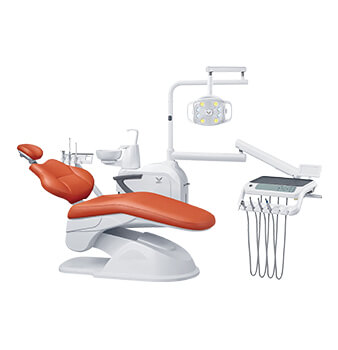
The GD-S600 shines as a main model suited for tough implant work. It has an imported hydraulic system with self-lubricating cylinders. These ensure very smooth shifts and less wear over time. This unit manages over 200kg easily. It has passed 1000 KGS load tests, so it fits offices treating heavier patients.
Pros:
Best Use Case: High-volume implant clinics needing maximum reliability.
Customization Tip: Upgrade to baby-skin microfiber cushion and add monitor arm if using guided implant software.
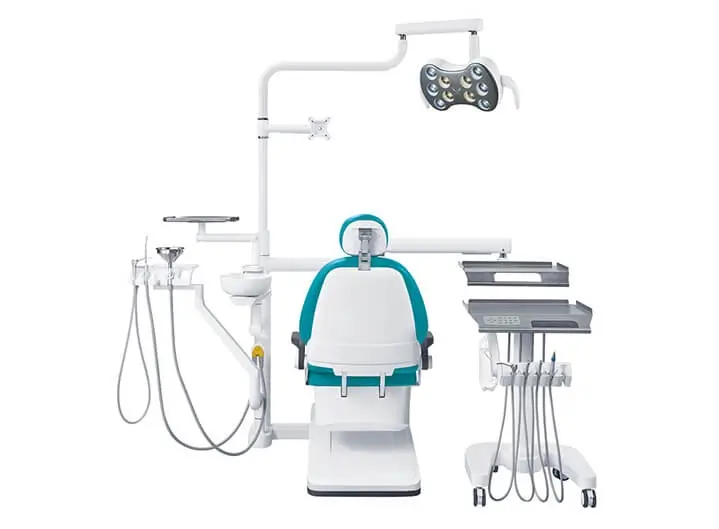
For offices using full digital implant steps with CBCT-guided work or AI planning, an electric-hybrid unit gives top accuracy. These models have saved memory spots with quick electronic changes. That makes them great for multi-step implant tasks.
Pros:
Cons:
Best Use Case: Digital implant centers using navigation tools and imaging systems.
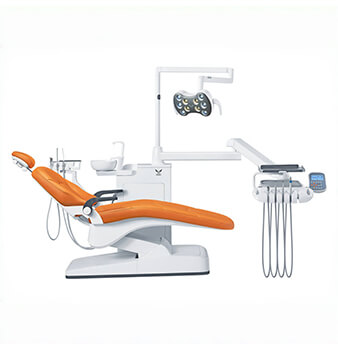
The GD-S350 is a strong floor-mounted hydraulic unit made just for implantology. It includes a turning ceramic spittoon, smooth stainless steel trays, and quiet lockable wheels on trolleys for flexible use in surgery.
Pros:
Best Use Case: Budget-conscious clinics needing long-lasting performance without sacrificing core features.
Customization Tip: Add optional monitor frame and selection valve kit for surgical motor control.
This group covers hydraulic models that focus on build and weight handling. Units like the GD-S600 get strict tests at high loads. They keep smooth action through oil-based hydraulic moves.
Pros:
Best Use Case: Hospitals or practices treating bariatric or mobility-challenged patients requiring implants.
For implant experts working in outreach or side offices, easy to move units count. A mobile unit with separate functions lets surgeries happen outside regular offices.
Pros:
Best Use Case: Mobile practices or rural healthcare centers expanding into implantology.
| Model | Stability | Precision | TCO* | Implant Suitability |
| GD-S600 | ⭐⭐⭐⭐⭐ | ⭐⭐⭐⭐ | Low | Excellent |
| Electric Hybrid | ⭐⭐⭐ | ⭐⭐⭐⭐⭐ | High | Excellent |
| GD-S350 | ⭐⭐⭐⭐ | ⭐⭐⭐ | Low | Very Good |
| Bariatric Model | ⭐⭐⭐⭐⭐ | ⭐⭐⭐ | Medium | Excellent |
| Portable Unit | ⭐⭐ | ⭐⭐ | Low | Moderate |
*TCO = Total Cost of Ownership
Busy implant centers gain from sturdy hydraulic systems like the GD-S600. They give steady work without much wear. On the other hand, general dentists doing implants now and then may like small units with just the basics.
Hydraulic units bring a good mix of cost and performance. They last long and often cost less than top electric systems. This makes them fit for growing offices or new markets.
If your implant steps use digital guides like navigation implants, think about electric models with saved settings and digital links. Traditional dentists may like manual control with hydraulic smooth flow.
If your office treats older people or those with moving problems, focus on chairs with very low spots like 320mm. Add strong base support to help with patient moves.
Hydraulic systems have fewer electronic bits that move. So, they are easier to keep up in far places. For offices without quick tech help, this is more important than many think at first.
Pick units that work with extra tools like surgical motors, intraoral scanners, or AI screens. Chairs should grow with your office. They should not hold it back.
For implant surgeries in 2026, dental chair units must provide firm steadiness, better ergonomics, exact movement control, and strong cleaning systems. Hydraulic chairs like Gladent’s GD-S600 meet all these needs. They also offer cheap and reliable performance. They suit experts who need steady work under stress—with little stop time or trouble.
Check out Gladent’s CE-certified lineup at dental-unit.net. Find the best fit for your office’s implant needs—from high-capacity bariatric models to mobile solutions ready for outreach.Explore our full range of hydraulic dental chairs for more options tailored to implant surgery.
Q1: What makes a dental unit ideal for implant surgery?
A: A good dental unit for implants must provide stable positioning under load, ergonomic access from all sides, integrated lighting/instrumentation, and disinfection systems to prevent contamination during long surgeries.
Q2: Is hydraulic or electric better for implant procedures in 2026?
A: Hydraulic chairs offer smooth movement, superior load handling, and are often more reliable long-term—especially in high-use environments. Electric chairs add programmable features but come at a higher cost.
Q3: What weight capacity is recommended for implant chairs?
A: A minimum of 200kg capacity is recommended. Models like Gladent’s GD-S600 go above this threshold and have been tested up to 1000kg.
Q4: How important is vibration control in implant units?
A: Very important. Even minor vibrations can affect precision during drilling or placement of implants. Hydraulic systems offer natural dampening that supports surgical accuracy.
Q5: Can budget units handle professional implant work?
A: Yes—when engineered correctly. Units like Gladent’s GD-S350 offer floor-fixed stability, steel trays, proper suction integration, and are CE-certified—making them viable even for dedicated implant clinics.
 No. 1, No. 2, Fenggang Industrial Zone, Lianhe, Luocun, Shishan Town, Nanhai District, Foshan City, China
 Call us now:+86-757-81267151