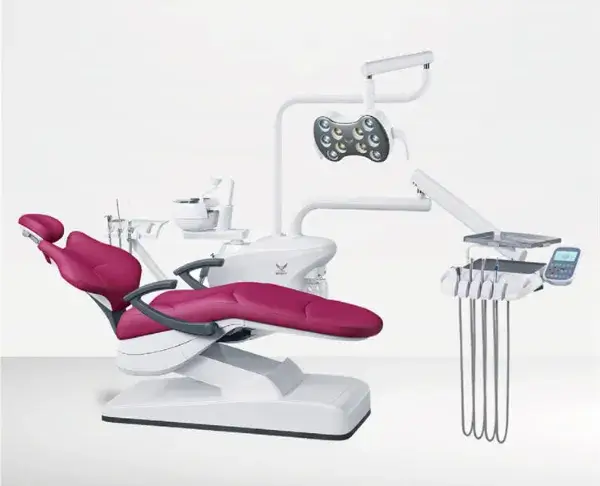
Knowing how to choose dental chair options wisely makes all the difference. Focus on dental chair features that boost reliability. Prioritize patient comfort dental chair designs from the start. These elements shape daily operations more than flashy extras ever could.
At Gladent, having supplied dental chairs to dozens of clinics over the past decade, many dentists initially focus on price or looks—only to regret ignoring stability, ergonomics or long term maintenance. That’s why evaluating these five key features carefully before purchase pays off big.
These five features, stability, ergonomics, functionality, durability, and safety with aesthetics, form the backbone of a smart choice. Get them right, and the clinic thrives.
A dental chair needs rock solid stability above all. Especially with chair mounted delivery systems, light arms, or extra gear attached. The baseplate has to handle weight without wobbling. A stable dental chair keeps everything steady for precise work.
Cast iron bases outlast aluminum or steel ones in toughness. Add anti scratch and corrosion resistant coatings like epoxy finishes. These hold up against daily cleanings and disinfectants. No rust means better hygiene over time. Clinics stay cleaner, safer.
Test it out on site. Sit in the chair under full load. Raise and lower it. Give the light pole or delivery arm a gentle push. Check for shakes or sways. Sometimes, a quick test reveals flaws that specs overlook. Like when heavy tools cause unexpected tilts.
Dental chair baseplate strength ties directly to durability. Weak bases lead to frequent fixes. Strong ones cut down on downtime. It’s that simple.
Ergonomics blend patient ease with clinic flow and smart functions. An ergonomic dental chair supports natural positions. Patients relax more. Dentists work without strain.
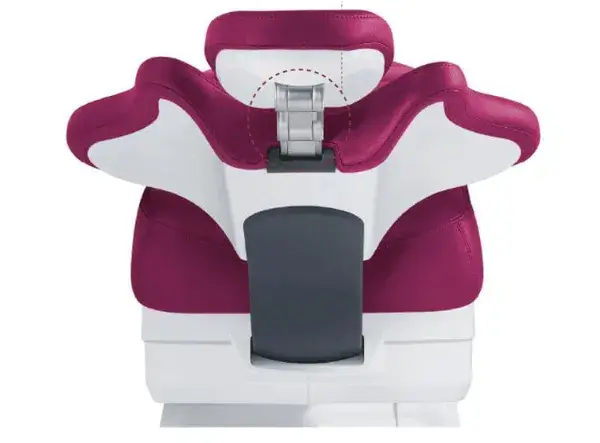
Key parts include the adjustable headrest dental chair feature. It shifts easily for different angles. Armrests that swing out help patients get in and out smoothly. Backrest and seat contours hug the body right. Toe boards and leg rests add support during long sits. Hydraulic dental chairs shine here — smooth adjustments, quiet operation, solid hold.
Chairs should let operators maintain good posture. This cuts shoulder, neck, and back fatigue. Studies link poor equipment to early burnout in the field. A well designed chair keeps teams going strong.
For instance, Gladent’s hydraulic chairs incorporate a synchronized back rest and leg rest movement, with an easy adjust headrest and smooth hydraulic lift — features that meaningfully improve patient comfort during long procedures.
Patients notice these touches. Comfort turns tense visits into bearable ones. It’s not just about the chair; it’s the whole experience.
See the dental chair as a treatment hub, not just seating. It must mesh with delivery systems, assistant modules, lights, tools, and suction setups. Compatibility streamlines everything.
Consider mounting options for the dental chair delivery system — chair mounted, cabinet, or wall hung. Tool layouts should put items within easy reach for doctors and assistants. Foot pedals and controls need intuitive spots. This setup handles various treatments, from cleanings to root canals or implants. Dental chair for multi specialty clinic use demands this flexibility.
Look ahead to expansions. Modular designs allow upgrades without full replacements. Compatible parts mean less waste and fewer buys down the line.
Ever had a setup where reaching for a tool breaks focus? Avoid that. Good functionality keeps workflows humming, even in busy spots.
Build quality defines a long lasting dental chair. Fewer moving parts equal less wear. Strong materials, tough coatings, and solid welds stand up to daily grind.
Maintenance stays simple with easy clean surfaces and accessible parts. Hydraulic or electric systems should run reliably. Generic replacements cut costs. Warranty and parts availability seal the deal. Dental chair maintenance tips: Check coatings for corrosion resistance. Regular wipes prevent buildup.
Total Cost of Ownership goes beyond the sticker price. Factor in repairs, downtime, and supplies over years. High upfront might save big later. Smaller clinics especially benefit from this math.
At Gladent, chairs are designed with minimal moving parts, corrosion resistant finish, and easily replaceable components — so clinics experience fewer breakdowns and lower maintenance costs over years of operation.
Safety starts with sturdy builds. Hydraulic or electric systems need overload protection and anti pinch locks. Armrests, headrests, and seats must hold firm. Materials resist aging, cleaning agents, and corrosion.
Patient experience hinges on comfort. Quiet operation, no odors, stable feel — these calm nerves. Safe dental chair designs suit kids, elders, or anxious folks best. Comfortable dental chair for patients eases long treatments.
Aesthetics count too. Clean lines, matching colors boost clinic vibe. An aesthetic dental chair builds trust at first glance. It fits the space, signals quality.
Wrapping up, these five stand out: stability for precision, ergonomics for comfort, functionality for smooth workflows, durability with low TCO, and safety paired with aesthetics for great experiences.
Use this quick checklist when shopping:
Stability: Test base under load; no wobbles.
Ergonomics: Adjustable parts for patient and dentist ease.
Functionality: Compatible with gear; flexible for treatments.
Durability: Low maintenance materials; consider TCO.
Safety & Aesthetics: Secure features; appealing design.
Figuring how to choose dental chair boils down to hands on trials. Sit in it. Run tests. Check service support. Match to clinic needs — treatments, patients, budget, growth plans.
It’s worth the effort. Clinics run better, patients return happier.
When choosing a dental chair, focus on stability, comfort, ergonomics, compatibility with dental equipment, and durability to ensure both patient satisfaction and ease of use for the dentist.
Consider your clinic’s needs, the types of treatments you offer, and the comfort of your patients. Look for features like easy adjustability, high quality materials, and low maintenance requirements.
An ergonomic dental chair offers adjustable backrests, headrests, and armrests for patient comfort, while also allowing the dentist to maintain a natural, stress free working posture during procedures.
A stable dental chair should have a robust base, smooth hydraulic or electric movements, and a strong frame that prevents wobbling or tilting, ensuring both patient safety and effective dental procedures.
Durability ensures your dental chair can withstand frequent use, providing long term reliability. It reduces the frequency of repairs and replacements, ultimately saving costs for the clinic.
 No. 1, No. 2, Fenggang Industrial Zone, Lianhe, Luocun, Shishan Town, Nanhai District, Foshan City, China
 Call us now:+86-757-81267151