Time stands as the most precious resource a dental practice cannot get back. Every extra minute spent on treatments, moving patients, or tweaking equipment cuts into daily output and earnings. Today’s integrated dental chairs have moved past simple seats. They now act as smart central units. These units group controls, digital aids, and body-friendly features. Smart setup in these chairs reduces hand movements, smooths daily routines, and brings real cuts in treatment times.
Many offices buy separate tools that add mess and complication to the room. The biggest steps forward come when parts work together as one. This piece looks at main built-in features in current dental chairs. These features create clear time savings. They turn the chair into a main control spot for better body comfort, digital reach, and smooth work flow.
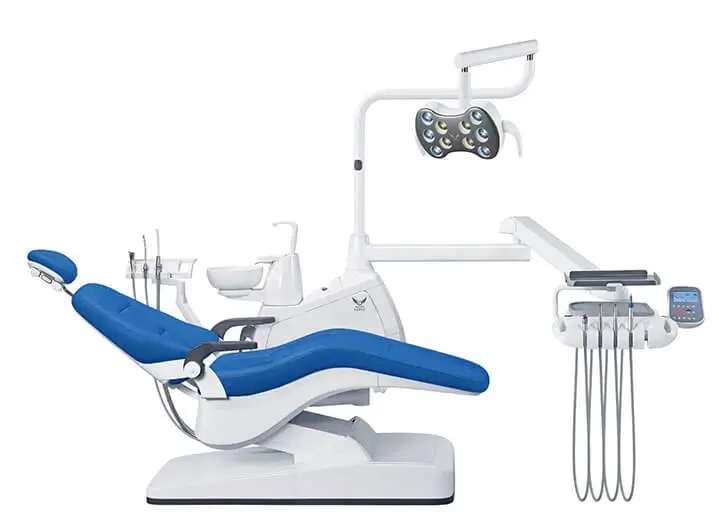
Fast work starts with the chair’s basic build. Cutting repeated body moves sets the ground for quicker treatments.
Saved position settings rank as one of the top time-saving tools. Dentists set common spots once. Then they call them up fast with buttons or controls. Usual saved spots include:
These saved spots remove hand tweaks that take 30–60 seconds each time. In busy offices seeing 20+ patients a day, this adds up to 10–20 minutes saved. That time allows extra treatments or better talks with patients.
Advanced foot controls form another key base. These pedals or sticks handle chair moves, tool start, suction, and other tasks. Dentists keep hands in the work area without looking away. This setup holds focus and stops tiny breaks from reaching buttons. Good foot controls in built-in units give smooth, natural use. They support steady clinical flow without stops.
Many new built-in chairs add left-right switch features. This lets quick changes between left-handed and right-handed work. The setup fits different dentists without slowing the flow. It cuts setup time and boosts treatment speed.
Digital tools lead modern dentistry—from patient records to pictures. Built-in chairs serve as main docking spots. They bring these tools right to the dentist. This cuts need for extra carts or far-off stations.
Well-placed monitor arms matter for digital speed. Best spot keeps the screen 40–60 cm from eyes with a small downward tilt (0–15°). This allows quick looks at charts, X-rays, or camera feeds without bad posture or neck twist. The setup lowers strain and speeds info reach during treatments.
Built-in screens help teach patients right away. Dentists show problems using camera pictures on big displays. This improves understanding, treatment acceptance, and cuts time for long talks or follow-ups.
Built-in units often have special holders for cameras, lights, or other tools. These spots keep items close at hand. This cuts reach-and-grab actions that add small seconds to each step.
Many chairs come with built-in LED work lights. These have sensor start or adjustable strength. They give steady light without hand changes. This supports exact work and faster shifts between treatment steps.
Beyond controls and digital aids, smart design choices add a lot to daily speed.
Inside cable paths remove loose wires from screens, cameras, and extras. This stops tangles, lowers trip risks, speeds cleaning between patients, and keeps a clean look. Offices see 5–10% faster patient changes when cable mess drops.
Chairs with position balance fight the “push back” feel during recline. This keeps patients steady and comfortable. It cuts patient moves and lets dentists hold good work spots longer.
Top imported motors give smooth, quiet moves. Hydraulic systems offer reliable, silent work. Electric ones bring exact control. Both help seamless changes without bothering patient calm.
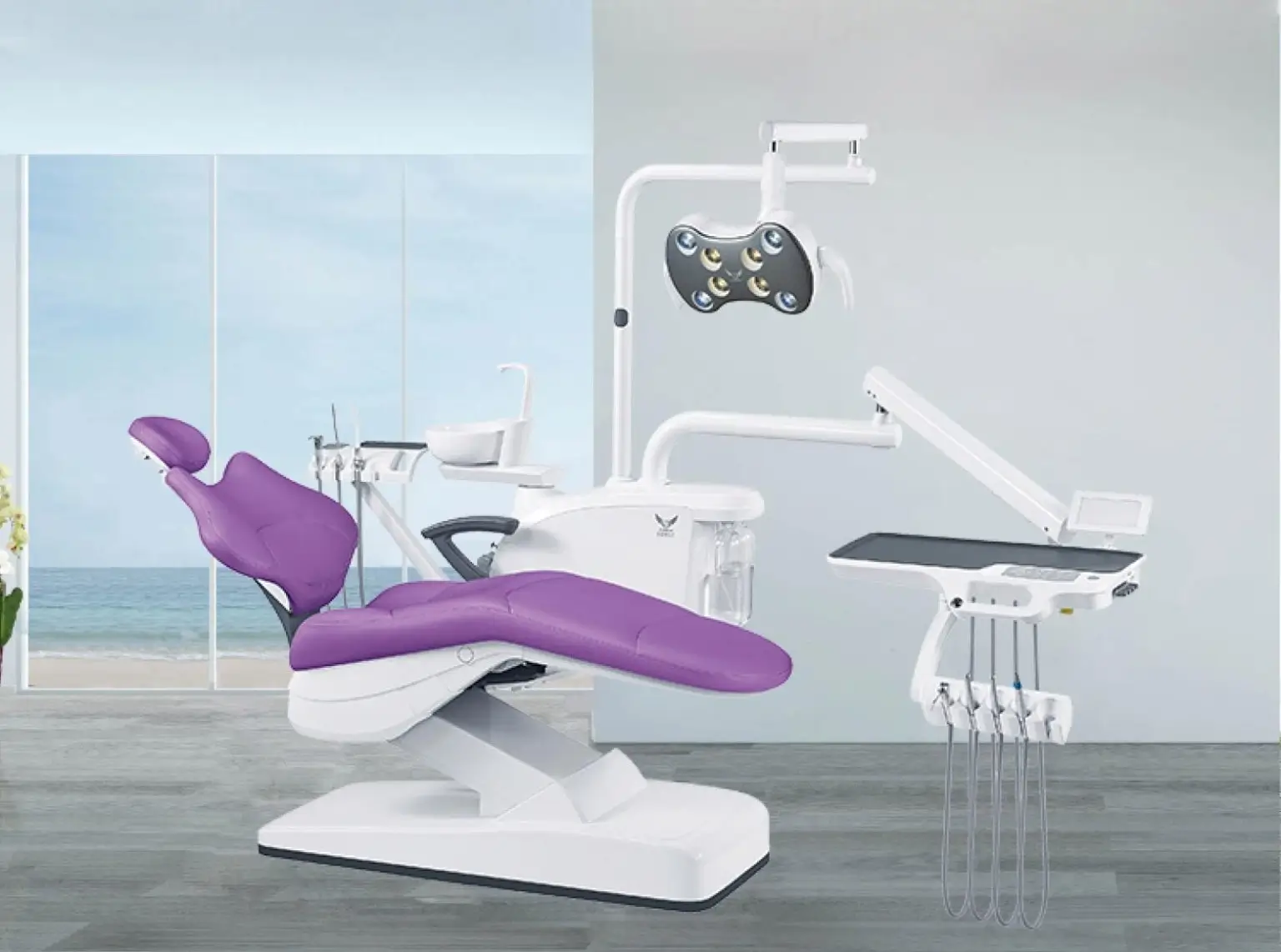
Built-in chair gains go beyond ideas to real numbers. Offices that use matched systems often see 10–30% drops in chair-side change and treatment times. This comes from cutting small delays.
Good use needs more than setup; planned training makes it work.
Steady uptime guards time savings. Following rules like ISO 13485, CE, and FDA backs quality. A regular plan cuts sudden stops:
Regular care lowers surprise breakdowns by up to 70%. This protects the money spent.
Dental offices gain most when they treat the chair as the room’s main control center. Speed comes from matched body comfort, digital reach, and smooth flow.
This way saves time, raises earnings, and builds clean, safe spaces.
Programmable positions allow instant adjustments to common setups, saving 30–60 seconds per transition and reclaiming significant daily time in busy practices.
They enable hands-free adjustments and activations, maintaining focus on the oral cavity and eliminating interruptions from manual reaches.
Proper positioning reduces strain, speeds information access, and enhances patient education without disrupting posture or workflow.
Internal routing minimizes clutter, accelerates cleaning, improves safety, and contributes to faster patient turnover.
Track procedure and turnover times before and after implementation, targeting 10–30% reductions through streamlined steps.
Dental practices and distributors seeking reliable, high-performance integrated dental chairs benefit from partnering with an established manufacturer. Gladent, as a professional dental unit manufacturer, dental chair supplier, and factory based in Foshan, China, delivers CE-certified, ISO 13485-compliant integral dental units featuring ergonomic designs, programmable controls, advanced integrations, and durable construction. With exports to over 50 countries and a focus on quality, competitive pricing, and on-time delivery, Gladent supports clinics in optimizing workflows.
Contact the Gladent team today for product specifications, customization options, or bulk inquiries: Email: gladent08@dental-chair.cn Phone: +86-757-81267151 WhatsApp: +86 13543616157
Visit https://www.dental-unit.net/ to explore the full range of integral dental units and request a quote from a dedicated manufacturer and supplier committed to elevating dental practice efficiency.
 No. 1, No. 2, Fenggang Industrial Zone, Lianhe, Luocun, Shishan Town, Nanhai District, Foshan City, China
 Call us now:+86-757-81267151