Digital tools are changing how dental clinics serve their patients. From imaging to data storage, modern technology helps dentists work faster and more accurately. Yet, none of these advances matter if the main dental unit cannot keep up. An integral dental unit acts as the hub of the treatment room, linking dentist, patient, and equipment. It is the seat, the light, the suction, and the delivery system all in one. In many clinics, upgrading the unit is the first step toward real digital transformation. Gladent has developed a range of solutions that reflect this new demand, combining ergonomic design with digital readiness.
Many adults still feel nervous when they visit a dentist. Research shows that up to 80% of adults experience some level of anxiety, and around 20% report moderate to high fear during visits. A well designed unit can reduce that fear. Wide cushions, smooth lines, and quiet motors all help the patient feel supported and safe. For children, bright designs such as the GD-350 add a playful touch that eases stress.
The dentist’s body also suffers during daily practice. Back pain, shoulder stiffness, and wrist problems are common among dental professionals. A dental unit that offers flexible movement and ergonomic positioning can lower these risks. Features like adjustable headrests, smooth arm movement, and stable bases make a big difference in reducing fatigue during long treatments.
Beyond physical support, modern units offer ports, mounts, and connections for digital devices. Digital imaging, and even intraoral cameras all work more efficiently when the unit has proper integration points. In this way, comfort and technology meet in one central piece of equipment.
Intraoral scanners and 3D imaging tools are no longer rare. They are becoming the standard in many clinics. A good integral unit allows these devices to be placed nearby without disturbing workflow. Built in power outlets, USB ports, or flexible arms make it easier to switch from treatment to imaging in seconds. This saves time and keeps the patient comfortable.
One of the most important aspects of modern dental care is infection control. Units designed with smooth surfaces, detachable parts, and simple flushing systems reduce the chance of bacteria spreading. Water lines, suction hoses, and cuspidors should all be easy to clean. For clinics aiming to meet global standards, this design focus is essential.
Expert reviews stress that the world’s best dental chairs combine strength, reliability, and intelligent features. The frame must be strong enough to hold up under daily use, while the controls should be intuitive and quick to operate. Dentists prefer quiet motors and flexible trays. Patients notice the soft upholstery and stable feel. The combination of durability and smart layout is what makes an integral unit future ready.
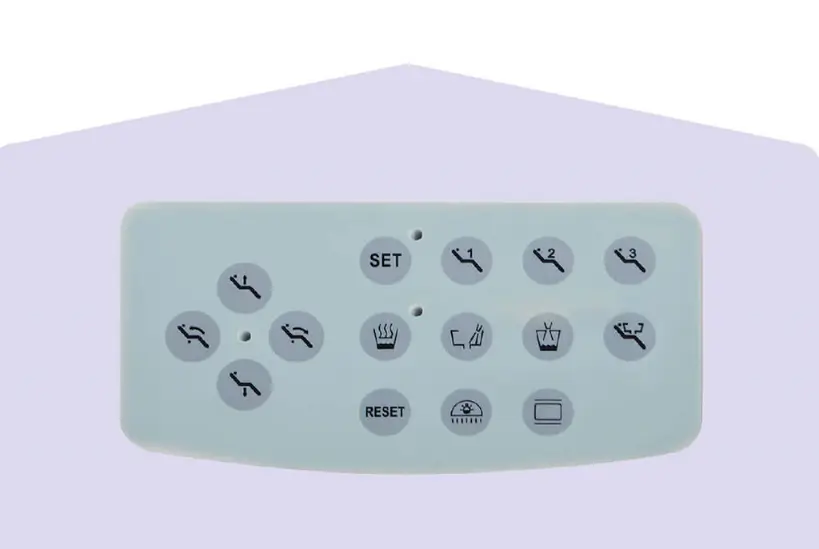
Installing a dental unit requires planning. The room must be large enough to allow free movement, and the floor must be strong enough to support the weight. Most units need stable 220V electrical power as well as clean water supply and proper drainage. Following these steps ensures that the system works smoothly from day one.
A unit is like the heart of a clinic. If it breaks down, the entire workflow stops. Noisy movement, worn upholstery, or outdated parts are early signs of problems. Regular checks of electrical systems, suction lines, and moving parts help prevent sudden failures. Investing in routine maintenance not only saves repair costs but also protects the clinic’s reputation.
A feature rich unit is only useful if the team knows how to use it. Training should cover chair adjustment, suction handling, foot control use, and integration with digital devices. Clinics that spend time on training usually report smoother workflow and less downtime. This also builds confidence among assistants, who play a critical role in patient comfort.
Gladent offers multiple models, each designed for different needs. The GD-S300 is ideal for advanced clinics that want to fully integrate digital tools. The GD-350, with its colorful options, is a great choice for pediatric care. This variety allows clinics to choose based on patient group, space, and budget.
One of the biggest challenges for small and mid size clinics is cost. Gladent designs units that combine long lasting build with affordable pricing. For many clinics, this balance makes it possible to step into digital dentistry without heavy financial risk.
From installation guidance to expert recognition, Gladent’s products reflect a simple truth: clinics need equipment that works every day, not just in theory. The company continues to refine its designs based on dentist and patient feedback. To get to know them, clinics can explore how the brand has grown into a trusted provider worldwide.
Every piece of equipment has a life cycle. If your chair squeaks, vibrates, or looks outdated, patients will notice. Worn upholstery or sudden jerks in movement not only reduce comfort but also create a sense of insecurity. These are clear signs that it might be time to consider a new unit.
Patients today expect more than just treatment. They want comfort, modern tools, and efficient visits. A chair that cannot connect with scanners or digital records may hold back a clinic’s growth. Upgrading means keeping pace with rising expectations.
The shift toward digital dentistry is global. An integral dental unit is more than furniture; it is the foundation of modern care. It links comfort, safety, and technology into one system. Gladent shows how practical design can support both patients and dentists in this digital era. If you want to bring your clinic forward, it may be the right time to contact them and explore the models that match your vision.
Q1: What makes an integral dental unit different from a regular dental chair?
A: It combines chair, delivery system, suction, lighting, and digital connections into one structure, supporting complete treatments in one place.
Q2: How does digital integration help daily practice?
A: It saves time, reduces patient stress, and allows dentists to use imaging and scanning tools without interrupting treatment.
Q3: What signs show it’s time to replace a dental unit?
A: Noisy movement, sudden jerks, worn cushions, or lack of digital support are strong signs.
Q4: Are Gladent units suitable for small clinics?
A: Yes, models like the GD-350 and GD-300 are designed with practical features at a lower cost, making them good for smaller setups.
Q5: How long does it take to install a new unit?
A: With proper room preparation, flooring, and plumbing, installation can usually be completed within a day.
 No. 1, No. 2, Fenggang Industrial Zone, Lianhe, Luocun, Shishan Town, Nanhai District, Foshan City, China
 Call us now:+86-757-81267151