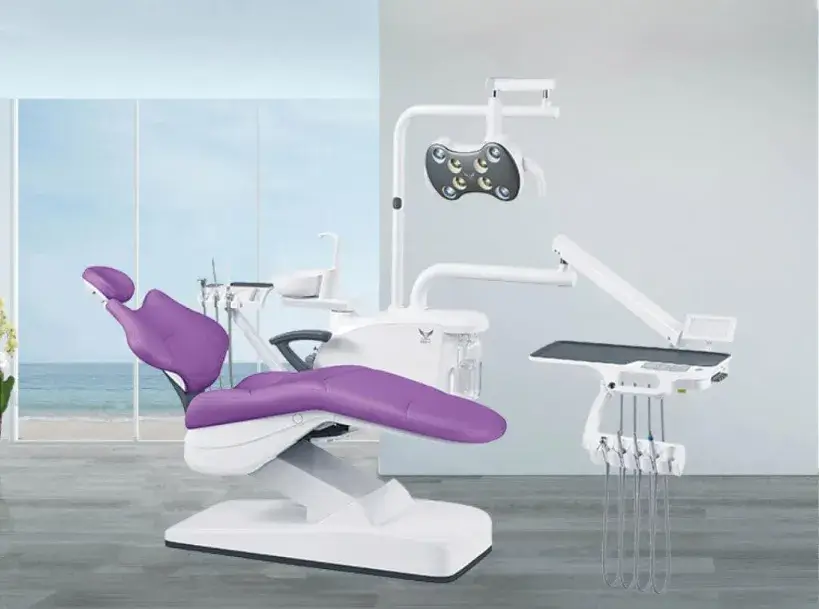
An integral dental unit packs a lot into one setup: the chair, delivery system, water and air lines, suction and saliva ejection, tubing, lights, electrical components, and various attachments.
Neglect daily dental unit maintenance, and equipment breaks down sooner. Lifespan drops. Worse, risks like cross infections, biofilm buildup, bacteria in water lines, clogged pipes, breakdowns, clinic downtime, and patient safety issues emerge.
Get it right with systematic integral dental unit hygiene and preventive maintenance dental equipment checks. Log everything. Do regular inspections. This extends life, cuts repair costs, keeps the clinic running smooth. Start early, and it pays off big.
Key maintenance areas for dental units cover the basics to keep everything functional and safe.
Wipe down surfaces daily or after each patient. Hit the chair, armrests, headrests, control buttons, delivery unit, handpiece holders, suction tubes, waterline outlets, and water bottles. Dental unit cleaning prevents grime from building up. Miss a spot, and bacteria thrive.
Flush dental unit waterline maintenance routines matter a ton. Rinse after every patient, daily, and do periodic disinfection. Shock treatments help when needed. For suction systems like HVE and SE, clean or replace filters, traps, and pipes on schedule. Avoid blockages and cross contamination.
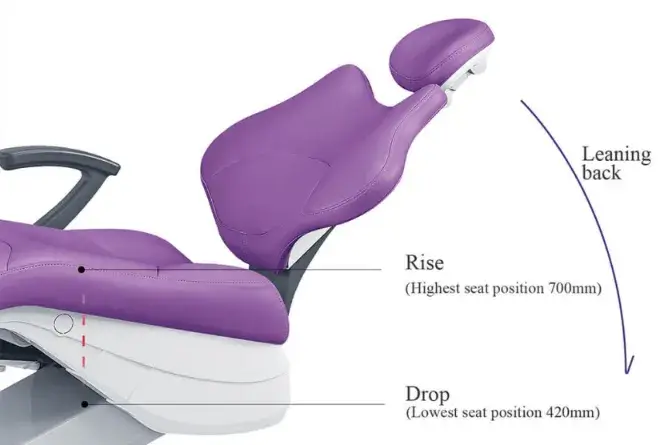
Check chair lifts, tilts, and locks regularly. Look at oil levels, hydraulics, and electrical systems. Lubricate handles, foot pedals, linkages, O rings, valves, air water systems, and connections. Dental chair lubrication keeps movements smooth. Catch issues early.
Standards for disinfection and sterilization exist for a reason. Cleaning starts the process, but full disinfection and sterilization follow to block cross contamination. Stick to protocols.
Record every session: date, what got done, problems found, fixes made, next steps. Use logs or digital records. This tracks dental unit hygiene protocol and handles compliance. Plus, it spots patterns over time.
Sometimes, a quick note in the log reveals a recurring glitch before it turns major. Preventive maintenance dental equipment thrives on details like that.
Dental unit hygiene and infection control go beyond surface level. Cleaning removes visible dirt, disinfection kills most germs, sterilization wipes out all. Just wiping isn’t enough — hidden spots in surfaces and lines harbor bacteria. Follow CDC guidelines strictly for patient safety.
Waterlines need regular flushes and disinfection to fight biofilm. Ensure water sources, bottles, quality, and filters meet standards. Infection control dental unit practices protect everyone.
For suction and drain systems, clean traps, lines, valves, and O rings. This stops saliva or blood contamination, odors, clogs, and infections. Waterline disinfection dental chair routines tie in here.
Set up logs for disinfection, cleaning, and maintenance. Review them regularly. Train the team — assistants, nurses, cleaners — to follow standards. No shortcuts. Suction system cleaning dental unit keeps risks low.
Patient safety dental equipment starts with consistent habits. A missed step could lead to bigger issues down the line.
Preventive beats reactive every time. Extend dental unit lifespan, slash unexpected faults, downtime, and repair bills. Boost ROI on equipment. Analysis shows maintenance saves big on costs.
Stable, safe, clean gear ups patient satisfaction, clinic rep, and passes audits. Handles legal, insurance, and risk stuff too. Reduce dental unit downtime for smoother ops — no canceled appointments.
Efficiency rises without breakdowns. Dental practice compliance shines with logs, assigned roles, reviews, training, and aging assessments. Know when to service, replace, or upgrade.
Based on Gladent‘s decades of supplying integrated dental units, every clinic should adopt a written maintenance and hygiene plan — with logged cleaning, regular inspections, and annual servicing — to maximize equipment lifespan and protect patient safety.
Dental equipment cost savings add up over years. It’s worth the effort.
Dental unit cleaning schedule like this keeps track easy.
Suction system maintenance and dental chair inspection fit right in. Annual service dental unit rounds it out.
Dental unit maintenance and hygiene form the backbone for any clinic. Stick to systematic processes from day one.
From purchase onward, commit to cleaning, disinfection, checks, upkeep, and records. This boosts lifespan, safety, operational stability, and patient trust way more than a one time buy.
Assign responsibilities. Keep logs. Review periodically. Schedule pro servicing.
Proper care isn’t extra work. It shows responsibility for patients, safety, clinic reputation, and long term costs. Essential for pro setups. Long term dental equipment care and dental practice safety depend on it.
Integral dental units should be maintained regularly with daily cleaning, weekly checks for moving parts, monthly system inspections, and annual servicing to ensure optimal performance and longevity.
Key tasks include cleaning and disinfecting surfaces, flushing waterlines, inspecting suction systems, lubricating moving parts, and ensuring proper sterilization of equipment to maintain hygiene.
Prevent cross contamination by regularly cleaning and disinfecting waterlines, suction systems, and all surfaces that come into contact with patients. Always follow CDC infection control guidelines.
Proper waterline maintenance prevents the buildup of biofilm, reduces the risk of infection, and ensures safe water for patient treatments. Regular flushing and disinfection are crucial for hygiene.
Your checklist should include daily tasks like surface cleaning and waterline flushing, weekly inspections of suction and moving parts, monthly system checks, and annual professional servicing.
 No. 1, No. 2, Fenggang Industrial Zone, Lianhe, Luocun, Shishan Town, Nanhai District, Foshan City, China
 Call us now:+86-757-81267151