In 2026, efficiency stands as the main factor for profits in dental offices. Based on the ADA Health Policy Institute’s Q4 2025 State of the U.S. Dental Economy report and 2026 forecasts, offices keep facing big challenges: insurance problems (55.3%), staff shortages (54.2%), and growing overhead expenses (41.5%). Patient numbers are picking up a bit. Yet, economic doubts and smaller profits call for getting more done with fewer resources. Current GLADENT dental units—with comfortable designs, smart controls, and digital links—stand out as vital tools to increase output, fill labor holes, and aid long-term strength. Minor updates, like flexible positioning, saved settings, and smooth tech connections, bring real time cuts, less strain on workers, and better team health—helping offices succeed despite money pressures.
The present dental field requires quick operations. Offices need to cover staff gaps through tech. At the same time, they must protect teams from body strain. Ergonomic design goes beyond comfort. It also prevents muscle and bone issues that keep workers out. Studies in the field reveal that many dental experts suffer from back and neck pain due to bad posture and repeated actions. Current units mix tools, add-ons, and digital aids to boost task efficiency and setup. This cuts unneeded moves, shortens treatment periods, and raises return on investment (ROI). In a year with high patient hopes and few slots, each minute saved adds to more work done, steady care, and solid profits.
Current ergonomic dental chairs permit exact changes in height, tilt, and backrest angles. As a result, dentists can keep a balanced posture during long tasks. While hydraulic systems offer even, firm movements perfect for heavy loads, electric-driven chairs often provide better exactness (±0.5° accuracy), quieter runs (42-48dB), and simpler links with digital tools. Many recent units mix both methods for top results. This firmness lowers tiredness and boosts accuracy in fine work like endodontics or implant placement.
An effective operatory setup aids four-handed dentistry by placing tools within easy grasp for both dentist and helper. The option to shift to various spots ensures good ergonomics for patients and dentists alike. When helpers can reach suction lines or handpieces without constant stretching or shifting, the whole treatment process flows well.
These minor ergonomic tweaks build up into large output gains over many daily tasks.
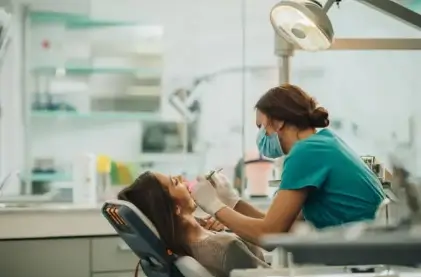
Smart control systems now appear as standard in top dental units. Saved settings let users switch fast between modes—endo, hygiene, restorative—without hand tweaks each time. Touch panels or voice links allow adjustments without hands, keeping things clean while cutting setup periods. Electric chairs shine with broad saved positions and digital exactness, while hydraulic systems bring smooth feel and strength under load. Many current models join both for top precision and lasting power. For example, a doctor doing several fillings can set chair height, light level, and tool tray spot ahead—all called back with one tap. Over a week’s plan, those moments add up to notable time gained back.
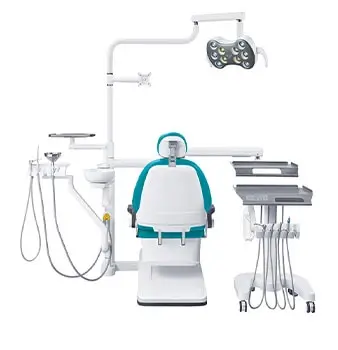
In 2026, links define efficiency. Current dental units connect without issues to intraoral scanners, AI diagnostic aids, and cloud-based practice management systems (PMS). Live images shown right on the unit’s screen permit quick case talks without shifting spots.
The third generation disinfection system can make disinfection for dental handpiece, 3 way syringe, strong and weak suction, water supply and flush pipe to prevent cross infection. By handling cleaning cycles on their own or linking image results straight into patient files, clinics cut hand entry mistakes while meeting rules.
Digital links also aid alerts for predictive maintenance—spotting wear before failures happen—keeping the work area running fine even in busy times.
| Metric | Before Upgrade | After Upgrade | Improvement |
| Average procedure time | 45 min | 37 min | 18% faster |
| Room turnover | 12 min | 8 min | 33% faster |
| Staff fatigue rating (survey) | Moderate | Low | Improved ergonomics |
To keep long-term perks from current dental units, clinics should watch key signs such as:
Regular maintenance checks ensure the dental chair remains in good working condition. Putting money into strong materials like aluminum frames or self-lubricating hydraulic components stretches lifespan while cutting service breaks.
Sustainability matters too—power-saving motors or auto water-saving setups drop utility bills over time. And they match green office aims.
Current dental units have changed clinical efficiency from reactive handling into forward-thinking performance setup. From ergonomic builds that cut strain to smart controls that handle tasks on their own, these changes reshape how productive dentistry works each day. Offices set to adopt this change will discover they not only save time but also build healthier spots for their teams.
It’s worth taking a fresh look at your current setup: could smarter ergonomics or integrated controls unlock hidden capacity? Contact us to schedule a demo today or explore our detailed maintenance guide to learn how upgrading your unit can boost your practice efficiency in 2026.
Q1: How do modern dental units improve overall practice efficiency?
A: They combine ergonomic design with intelligent controls that minimize manual adjustments during treatments. Features like programmable presets reduce setup time while integrated digital tools streamline charting and diagnostics.
Q2: What makes an ergonomic dental chair essential in today’s clinics?
A: Ergonomic chairs support proper posture through adjustable height and tilt settings. Dentists can adjust chair positions to their preferred working height and angle, reducing strain on their back, neck, and shoulders.
Q3: How does integration with digital tools enhance workflow?
A: Linking the unit directly with imaging systems or PMS software eliminates redundant steps such as manual uploads or chart updates—saving several minutes per appointment while improving accuracy.
Q4: Are hydraulic systems still relevant compared to electronic ones?
A: Yes—both have strong roles in 2026. Hydraulic chairs excel in smooth, consistent motion, high weight capacity, and cost-effective durability for high-volume practices. Electronic (electric) chairs offer greater precision, quieter operation, extensive programmable memory positions, and seamless digital integration. Many leading units blend hydraulic stability with electric controls for hybrid performance, allowing practices to choose based on workload, budget, and tech needs.
Q5: What should be monitored after installing new modern dental units?
A: Track procedure times, staff feedback on ergonomics, maintenance frequency, and patient satisfaction scores over several months to measure tangible improvements in efficiency outcomes.
 No. 1, No. 2, Fenggang Industrial Zone, Lianhe, Luocun, Shishan Town, Nanhai District, Foshan City, China
 Call us now:+86-757-81267151