Dental chairs act as key spots in clinic settings. Patients get treatment there. These units touch saliva, blood, and aerosols often. So, strict disinfection steps help stop cross-contamination. They also keep patients and staff safe. Good disinfection holds equipment in good shape. It matches infection control rules from groups like the CDC and ADA.
Strong disinfection needs a planned method. This includes physical cleaning, right chemical solutions, and following maker guidelines. This full guide explains proven steps, newer methods, and tips for dental workers in busy offices.
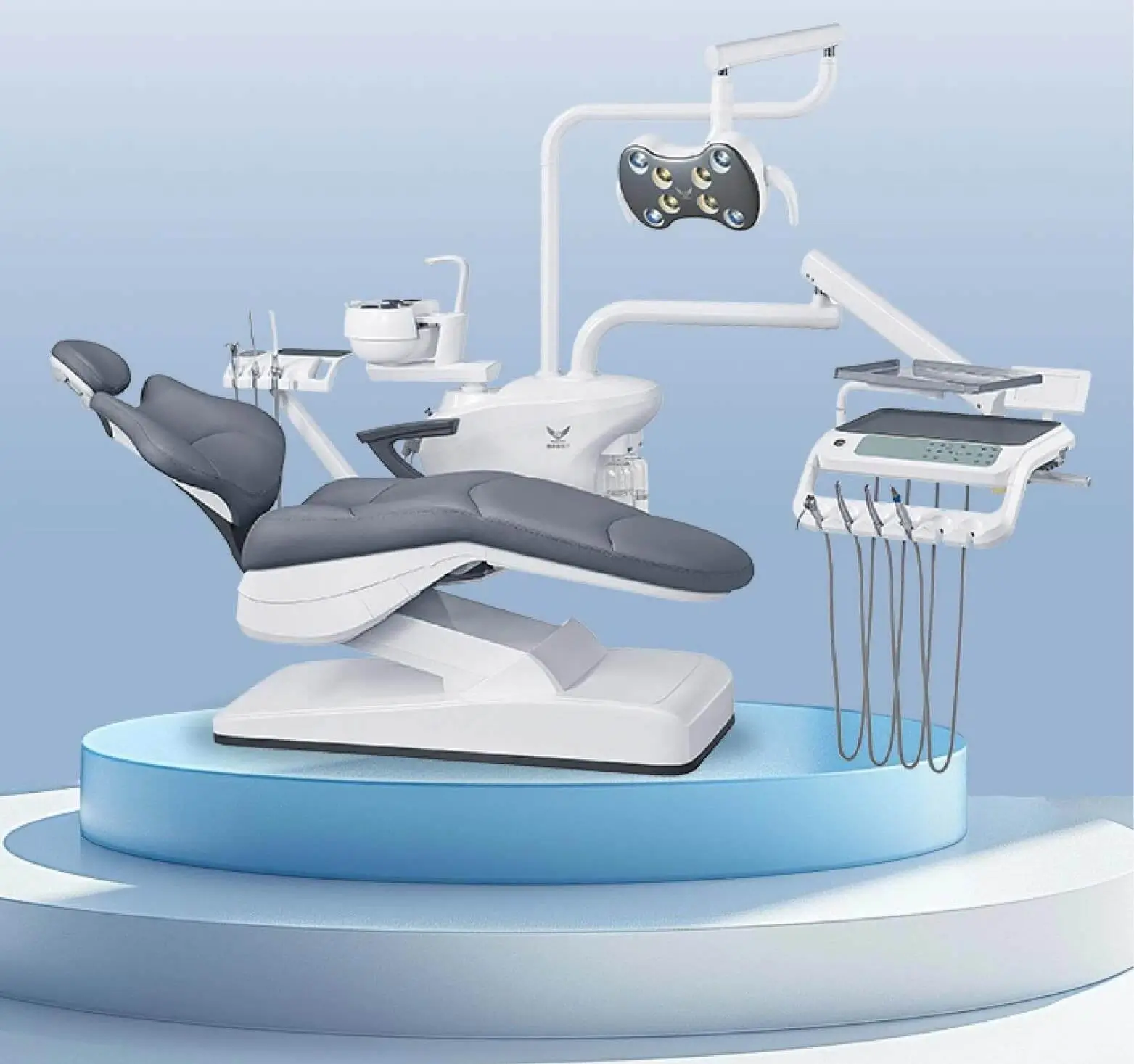
Dental chairs are busy spots that touch patients a lot. They need steady care. Germs can stay on surfaces if cleaning lacks. This raises risks of spread during work. Rules stress regular surface care as a main part of stopping infections.
Disinfection guards weak patients, like those with low immune strength. It also protects dental workers. Steady steps help upholstery, parts, and built-in items last longer. Skipping these can harm equipment, break rules, and cause legal problems.
Dental chairs face several dirt types. Bioburden means clear organic stuff like saliva or blood. Microbial contamination covers germs, viruses, and molds that you cannot see. Aerosols from fast handpieces leave small bits on surfaces. This happens in tough spots like edges and joints.
Clinical contact surfaces get touched in treatment. Examples include armrests, headrests, and control panels. These need tougher steps than basic housekeeping spots. Knowing these differences helps pick right cleaners and ways to apply them.
The CDC suggests cleaning and disinfecting clinical contact surfaces after each patient. Use EPA-registered hospital cleaners. Pick middle-level ones with claims against tuberculosis if blood shows. The ADA agrees with these ideas. It pushes following maker instructions for use (IFU) for gear and cleaners. Offices should keep written steps, train workers often, and note compliance. EPA checks cleaners. The FDA watches sterilants and high-level cleaners for some devices.
Workers need certain items for full cleaning:
Picking matching items stops harm to chair upholstery. This material is often vinyl, leather-like, or special fabrics.
Turn off the chair and linked gear before starting. Clear all loose things, like tools or covers. Put on right PPE. This step keeps safety and stops unwanted contact.
Wipe all surfaces with a fresh cloth or one-time wipe. Dampen it with an okay detergent or neutral cleaner. Clear blood, saliva, or other organic bits fully. This key pre-step lets cleaners reach germs well. Focus extra on gaps near the headrest, armrest joins, and base.
Pick an EPA-registered item fit for clinic spaces. Spray or wipe the cleaner evenly on all clinical contact surfaces. Keep the surface wet for the full time the maker says. That time usually goes from 1 to 10 minutes based on the mix.
Cover busy spots like switches, levers, and control panels well. For chairs with tricky parts, use wipes to hit joints. Do this without soaking electrical bits too much.
Some cleaners need a water rinse to clear leftovers. Let surfaces dry in air fully before adding covers or using the chair.
Check all areas by eye for missed parts or leftovers. Write down the cleaning process. Note the product used, time, and worker in charge. This record aids quality checks and rule reviews.
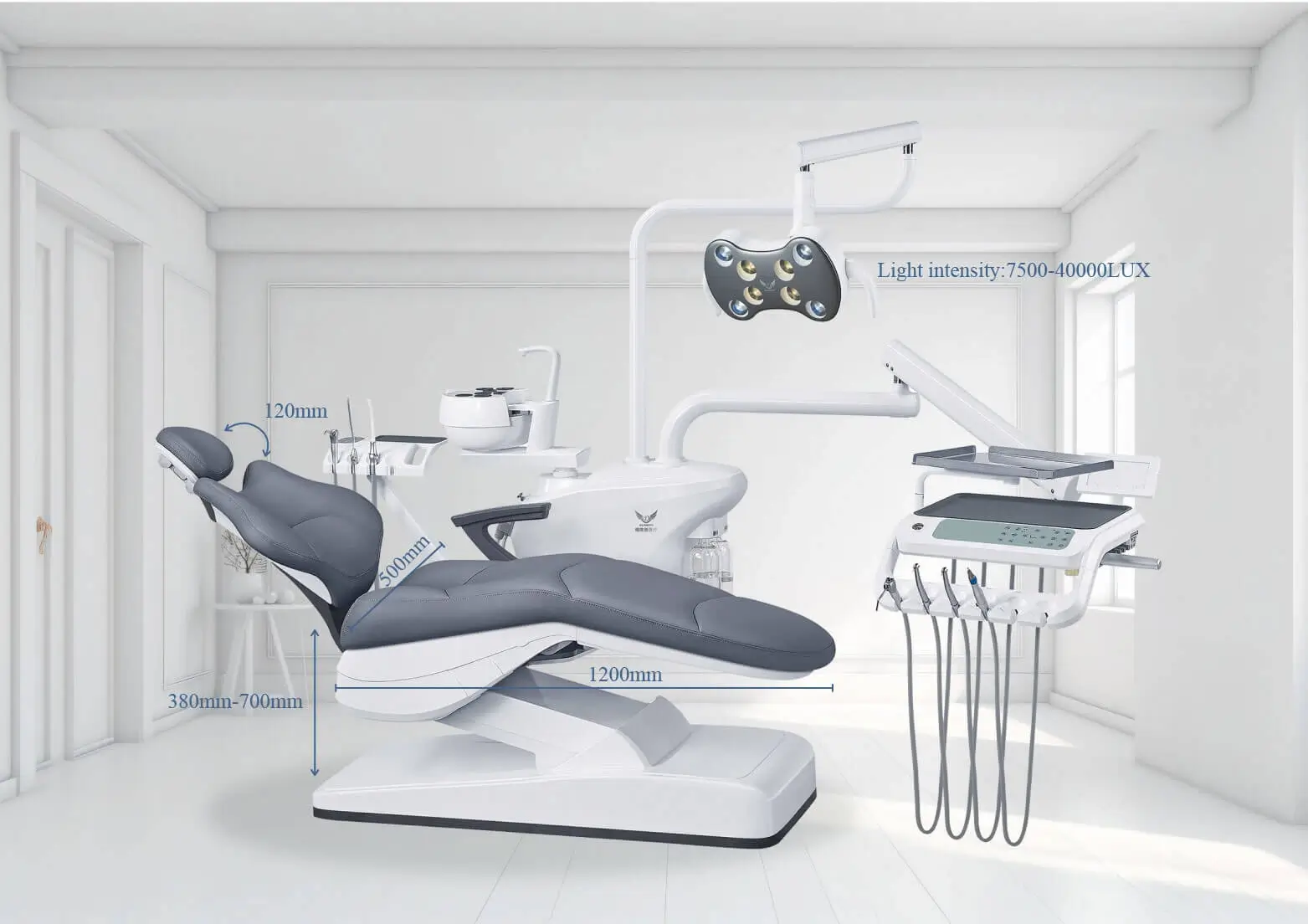 Advanced Disinfection Techniques for Modern Dental Units
Many new dental chairs have features that aid infection control. For example, units with auto or one-touch systems for waterlines and suction paths speed up work. They also give steady outcomes.
Surface covers cut the need for chemical cleaning between patients a lot. Swap covers after each use. Pair them with full cleaning at day’s end.
Surface cleaning is not all. Dental units need daily flushing and regular shock fixes for waterlines to fight biofilm. Use distilled or treated water. Follow maker tips for chemical matches.
Poor pre-cleaning is a top error. Organic stuff blocks germs from cleaners. Hurrying contact time or wrong mixes cut strength. Too much use of wrong chemicals harms chair materials. This leads to cracks, color loss, or part failures.
Missing records or uneven worker training makes rule gaps. Always check that cleaners have not passed their date. Make sure tools for applying stay clean.
Cleaning habits affect how long equipment lasts. Soft methods keep upholstery strong and stop rust on metal parts. Regular steps plus upkeep checks cut stoppages and fix costs. Makers build some models with special hydraulic systems or germ-resistant surfaces. These aid tough cleaning routines.
Good cleaning plans need steady worker learning. Hold regular training, skill tests, and fake checks. Make clear standard operating procedures (SOPs) fit to the dental units in place. Teams from different areas, like infection control leads, keep high levels in the office.
Dental chair cleaning is one part of a wider plan. This plan covers tool sterilization, hand washing, and PPE use. Offices should link chair steps with water care, aerosol cut methods, and waste handling. Steady risk checks spot spots to fix. They also keep up with new rule changes.
When picking dental units, think of built-in aids for cleaning. These include smooth surfaces with few edges, parts you can remove, and auto flush systems. Test matches between chair materials and usual cleaners to stop harm over time. Expert talks with sellers help fit gear to office needs.
Dental chairs require disinfection of clinical contact surfaces after each patient, with more comprehensive cleaning at the end of each day.
EPA-registered intermediate-level hospital disinfectants with tuberculocidal claims are generally appropriate. Always confirm compatibility with the chair manufacturer.
Barriers reduce chemical use when changed between patients, but terminal cleaning with disinfectants remains essential.
Follow label contact times, use products with proven efficacy claims, and implement monitoring protocols as part of the overall infection control program.
Yes. Follow specific IFU for units equipped with hydraulic systems, memory presets, or automated disinfection functions to maintain warranty and performance.
Dental practices and distributors seeking reliable, high-quality disinfection dental units benefit from partnering with established manufacturers. Gladent, as a professional manufacturer and supplier based in Foshan, China, specializes in premium dental units including advanced disinfection models like the GD-S800. These units feature one-touch waterline disinfection, imported components, durable construction, and designs that support efficient infection control protocols.
Contact Gladent today as your dedicated factory and OEM/ODM supplier for CE-certified dental equipment. Explore the full product range, including hydraulic, integral, and specialized disinfection dental units, to equip clinics with solutions that enhance safety and operational efficiency. Reach out via the official website at https://www.dental-unit.net/ or contact the team directly to discuss bulk supply, customization, and long-term partnership opportunities that meet global standards.
 No. 1, No. 2, Fenggang Industrial Zone, Lianhe, Luocun, Shishan Town, Nanhai District, Foshan City, China
 Call us now:+86-757-81267151