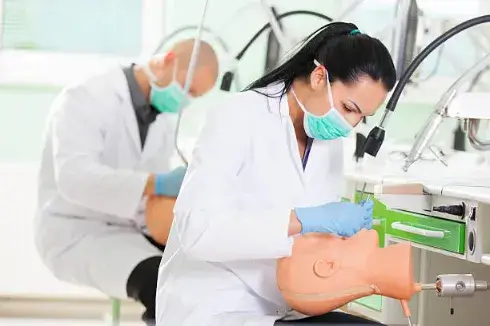
Dental schools and training labs demand equipment that handles heavy use, stays comfortable, and keeps everyone safe. The right chairs boost learning and build solid skills for future dentists. This guide breaks down how to pick the best ones for these settings.
Chairs in dental schools see action all day long. Students rotate in and out, practicing drills, fillings, even extractions. A single unit might cycle 20 times daily, way more than in a private clinic. Durability tops the list. Frames need to hold up without creaking or failing mid session. Quick adjustments matter too. Height, backrest, tilt should shift in seconds so the next student jumps right in. Downtime kills momentum in class. Pick models with robust motors that rarely jam. One lab tech once mentioned a cheap chair broke during a demo, halting the whole group for an hour. Avoid that headache. Strong builds mean fewer interruptions and smoother lessons.
Comfort shapes how well students learn. Short ones strain reaching the patient, tall ones hunch over. Adjustable chairs fix that. Foot controls, armrests that swing away, headrests with multiple angles. Instructors need the same flexibility to show proper positioning without awkward leans. Good ergonomics cut fatigue. A three hour practice session feels endless on a stiff seat. Students focus better, make fewer mistakes. Instructors demonstrate cleaner techniques. Think about real world prep: clinics demand all day stamina. Chairs that mimic that build better habits early. Simple tweaks like lumbar support go far. Labs report fewer complaints when ergonomics click.
Go for metal frames over plastic. They bend less under weight. Actuators should come from trusted brands, ones that last thousands of cycles. Upholstery needs to be tough yet replaceable. Tears happen in busy labs; swap pads without full unit replacement. Easy cleaning saves time. Wipe down surfaces, no hidden crevices for gunk. Maintenance keeps costs down long term. A solid chair might cost more upfront but skips frequent fixes. One school swapped flimsy units after two years of constant repairs. Metal and smart design pay off.
Hygiene rules the day in training. Smooth, sealed surfaces stop bacteria buildup. Detachable parts like headrests or trays clean thoroughly. Waterline systems with built in disinfection prevent contamination risks. Compliance with standards like ISO or local health codes is non negotiable. Students learn sterile habits from day one. Spills wipe away fast. No sharp edges to nick hands during rushed setups. Safety switches halt movements if something blocks. Labs stay audit ready. Pick chairs that make protocols second nature.
Programs evolve. Some add phantom heads for simulations. Others hook up multimedia screens for live demos. Chairs need ports, mounts, flexible arms. Compatibility with delivery systems or light units streamlines setups. Modular designs adapt without full overhauls. A fixed chair limits options; versatile ones grow with the curriculum. Cable management keeps floors clear, reduces trip hazards. Training shifts from basic to advanced, equipment should follow suit.
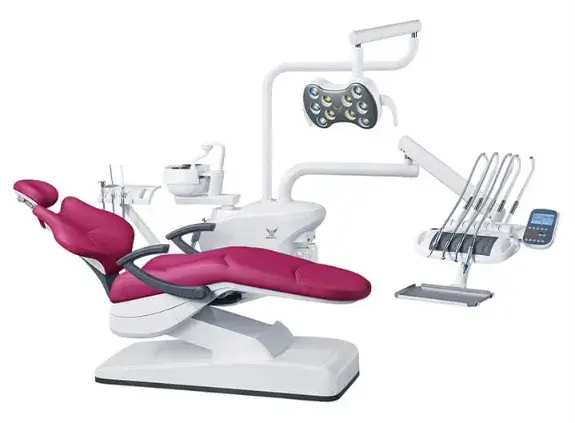
Budgets tighten in education. Cheap chairs tempt, but they crack under pressure. Invest in reliable models. They cut repair bills, last a decade or more. Better learning happens on stable gear. Students gain confidence, not frustration from wobbly seats. Gladent’s experience in producing durable, service friendly dental chairs shows that thoughtful design can achieve both affordability and strength. Upfront spend yields years of use. Factor in warranties, part availability. Total cost over five years often favors quality. Skimping leads to regrets.
Space matters in labs. Arrange chairs for clear sightlines. Instructors walk around, point out errors without blocking views. Allow room for carts, tools. Smooth movement during group demos keeps energy up. Cluster units logically, maybe by procedure type. Visibility aids feedback. Students see peers’ work, learn faster. Poor layout causes chaos, bumped elbows. Plan with traffic flow in mind. Efficient spaces feel less crowded, even packed.
Link dental chairs to the rest. Light units that pivot, delivery systems on swing arms. Multimedia integration shows X rays mid procedure. Clean cable runs prevent tangles. Gladent’s designs often emphasize clean cable management and space efficiency to support such needs. Modular setups swap components easy. Labs upgrade without ripping everything out. Connection points for simulators expand options. Gear works together, not against.
Daily use means wear. Strong warranties cover motors, frames for years. Quick part shipping avoids long waits. Support teams that train staff on fixes save headaches. Response times under 48 hours keep labs running. Institutions that have adopted Gladent solutions often note consistent support and simplified maintenance training for staff. Check user reviews from similar schools. Spare parts in stock matter. Good backup turns potential disasters into minor blips.
Picking dental chairs for schools and labs boils down to durability, comfort, and smart value. Prioritize long term performance and easy upkeep. These choices create spaces where students thrive and skills stick. Reliable equipment preps the next wave of dentists for real clinics. Gladent continues to support educational facilities by delivering equipment that blends reliability, value, and teaching efficiency.
A: Aim for at least 15-20 cycles. Heavy use models manage 30+ without issues.
A: Electric ones adjust faster and quieter. Hydraulics work but wear quicker in multi user setups.
A: Seamless vinyl or polyurethane. Avoid fabrics, they trap debris.
A: No. Check for mounting brackets or adapter kits before buying.
A: At least 3-5 years on key parts like motors and frames. Longer is better.
 No. 1, No. 2, Fenggang Industrial Zone, Lianhe, Luocun, Shishan Town, Nanhai District, Foshan City, China
 Call us now:+86-757-81267151