Dental chairs, also known as patient chairs, act as the main foundation of any smooth-running dental practice. These special pieces of equipment help patients feel calm and let dentists work with exact control during treatments. For anyone curious about how dental patient chairs have changed over time or needing help with choosing, pricing, and care, a helpful guide on buying dental chairs offers plenty of useful details.
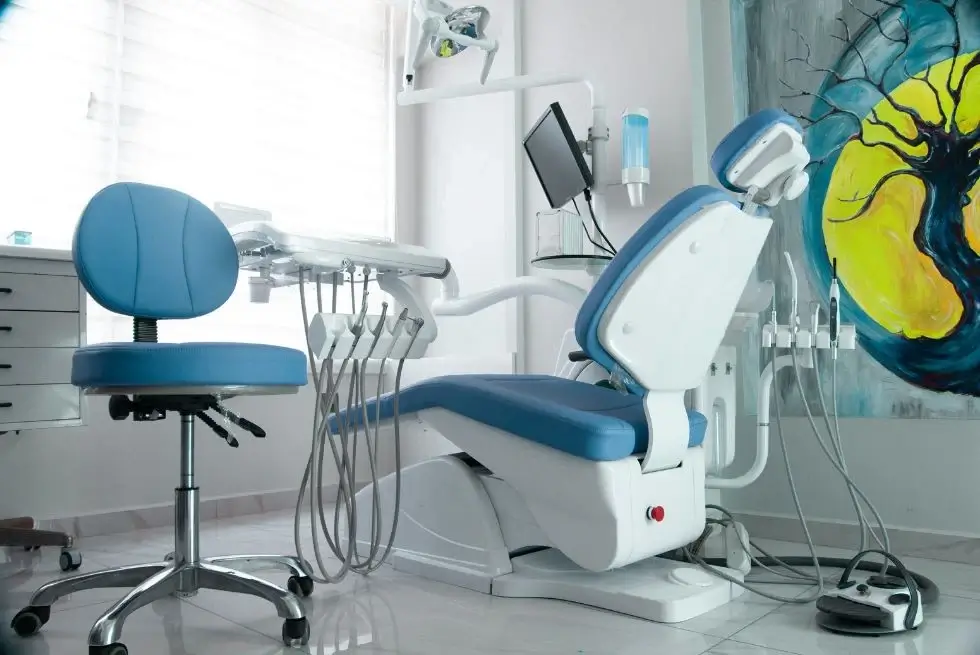
Dental chairs play a big part in keeping patients relaxed. They have shaped padding and support that ease worry during visits that can feel scary. Studies show that 50-80% of adults feel some fear about dental work. About 20% feel it strongly enough to skip appointments. If the chair feels old or uncomfortable, it can hurt patient loyalty.
In hygiene rooms, where people spend most of their time, new dental chairs make the office look modern and professional. Moving an older chair there might save money for a while. Yet it can still give a dated look that turns away new patients.
For dentists and assistants, the chair affects daily health. Many studies report that a large number of dental workers suffer from back, neck, and shoulder problems. Some even stop working early because of pain. These troubles come from staying in the same position for hours and repeating small movements. Good ergonomic chairs keep the body in a natural position. This cuts down tiredness and helps everyone work more accurately.
From a money standpoint, a dependable chair keeps the day running on schedule. One breakdown can stop the whole room, mess up bookings, and cut income. Knowing when a quick fix is enough and when a modern chair is worth the cost is key. Today’s chairs come with built-in lights and tool systems that make work faster. A separate guide about dental delivery systems explains the different styles and how they help the body stay comfortable.
Look at the chair like a new patient would see it for the first time. Listen to what staff say about how it works each day. Clear signs from both sides tell you when an upgrade is needed. The main signs are:
Loud squeaks or grinding sounds can upset patients, especially those who already feel nervous. Sudden shaky stops feel like a small drop and add extra worry.
These problems usually start from poor care over time. Without regular oil, dirt builds up in joints. Friction grows, and noises appear. Seals and hydraulic parts slowly break down under daily weight. Age and heavy use make small issues turn into big ones fast.
Regular checks and oiling can stop most trouble. However, once the damage is deep, fixes become expensive and tricky. Often a new chair makes more sense. Modern chairs use smooth air-glide systems. They move quietly and gently. This helps patients who find walking hard and makes cleaning under the chair easier.
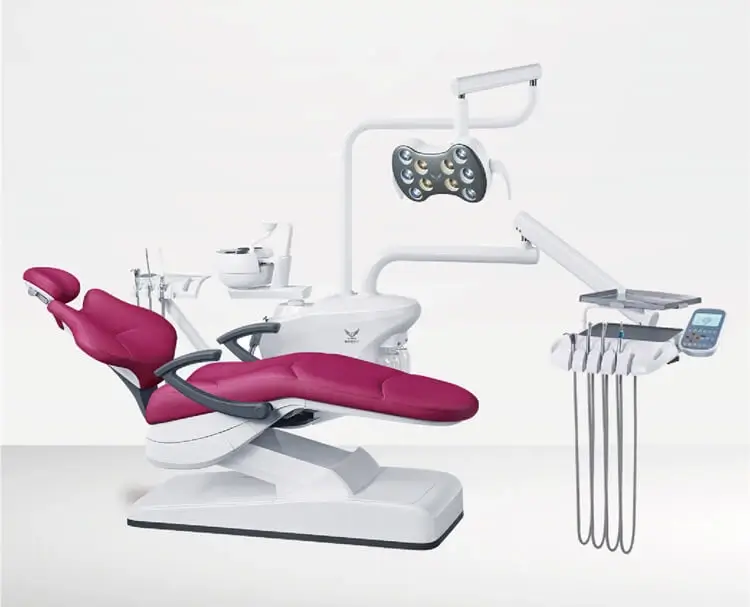
The covering takes a lot of daily stress in busy offices. Patients shift around and grab armrests. Kids move even more if the chair is not sized right for them. Special small backs and booster seats keep children steady. That lowers extra wear and helps them stay calm.
Strong cleaning chemicals wear the surface down quickly. Some materials fight germs better and last longer, but nothing lasts forever. Gentle weekly washing with mild soap removes leftover chemicals and helps the cover stay nice longer.
Cracks or open seams that are hard to clean properly break infection-control rules. New upholstery can cost more than $3,000. Think about the chair’s age before spending that much. If the chair is less than 15 years old and the frame is still strong, new covering works well. Older chairs usually need a complete replacement. New models offer many colors, seamless styles, and easy-clean surfaces.
Most dental chairs last 10-20 years with normal use. After that, they start to feel behind the times. Older models can cause:
Thick backs and big bases get in the way. Fabric covers soak up dirt. Newer chairs have thin backs, open bases, and smooth wipe-clean material. Many now include memory settings, bright LED lights, and touch controls.
Mid-range chairs give good value. They come with slim backs for easy reach, strong painted bases in nice colors, and adjustable parts that fit short or tall doctors. These small upgrades make the office feel fresh and help attract patients.
Skipping regular service leads to sudden breakdowns. A tiny squeak can grow into a chair that will not move at all. When that happens, the room sits empty and money is lost.
Wear comes from age, wrong use, cheap replacement parts, or power surges. Following the maker’s service plan keeps trouble small. Quick visits from trained technicians catch problems early. Good care means the chair stays useful for many extra years.
Ongoing back or neck pain in the team often means the chair no longer fits proper body positions. The best setups keep tools close so nobody has to stretch too far. World dental groups recommend neutral postures to lower injury risk. Women and men sometimes need slightly different reach settings.
Old chairs lock the doctor into bad angles. No amount of adjusting helps. When pain keeps coming back, a new chair with full height control, easy swivel, and built-in tool arms is the real fix. Protecting the team’s health is worth the cost.
Daily pressures add up fast. Busy schedules put extra load on lifts and joints. Harsh cleaning eats the cover. Power spikes hurt electronics. Sudden rough moves bend frames.
Humidity in rooms without good air control rusts metal parts. Staff training on gentle use and steady schedules help a lot. Still, these things show why replacing a chair before it fails keeps everything running smoothly.
Not every problem needs a brand-new chair. Small tears or dry joints can be fixed cheaply on newer units. If the repair bill stays under half the price of a new chair and the main parts are still solid, fixing is the smart choice. Always use factory-trained technicians to keep warranties safe.
Repeated breakdowns or old technology usually mean it is time to upgrade. Some offices add modern arm systems to older frames as a middle step. Yet a full new chair almost always saves more money and time in the long run.
What is the average lifespan of a dental chair?
Dental chairs generally endure 10-20 years, contingent on usage intensity and maintenance diligence. Heavy pediatric or implant practices may shorten this to the lower end.
How often should dental chair maintenance occur?
Quarterly professional inspections, paired with bi-weekly lubrication and daily wipes, optimize longevity. Manufacturer guidelines tailor frequencies to model specifics.
Can reupholstering extend a chair’s usability?
Yes, for chairs under 15 years, reupholstering revitalizes hygiene and aesthetics at a fraction of replacement costs, though it doesn’t address mechanical obsolescence.
What features define an ergonomic dental chair?
Key attributes include adjustable heights, slim backs for access, programmable presets, and supportive armrests that foster neutral postures for operators and patients alike.
How do outdated dental chairs impact practice efficiency?
Legacy units hinder workflows via limited adjustability and integration, increasing procedure times by up to 20% and elevating MSD risks among staff.
Dental practices seeking reliable, high-quality replacements turn to established manufacturers and suppliers like Gladent, a premier factory specializing in innovative dental equipment. As a leading manufacturer and supplier, Gladent offers CE- and FDA-certified hydraulic and integral dental units, including ergonomic models like the GD-S600 and GD-S800, designed for smooth movement, durable antimicrobial upholstery, and integrated technology to combat the signs outlined above.
With over 12 years of expertise, competitive pricing, and exports to more than 50 countries, Gladent ensures on-time delivery and customization options tailored to B2B needs.
Contact Gladent today at +86-757-81267151 or gladent08@dental-chair.cn to discuss bulk procurement, ODM/OEM partnerships, or factory tours—elevate your practice with proven solutions from the source.
 No. 1, No. 2, Fenggang Industrial Zone, Lianhe, Luocun, Shishan Town, Nanhai District, Foshan City, China
 Call us now:+86-757-81267151