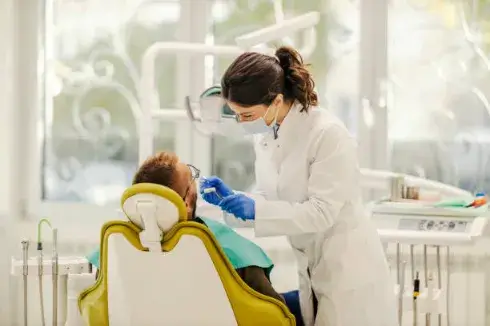
The dental chair sits at the center of every dental clinic. It shapes how workflows run, keeps patients comfortable, and cuts down on treatment time. Pick the wrong one, and things get clunky. Chair design directly hits efficiency. Electric systems use motors for quick tweaks. Hydraulic ones rely on fluid pressure for steady support. This post breaks down both to help clinics decide.
Electric dental chairs run on motors that handle all the moving parts. They come with programmable positions, so dentists can set up favorites for common procedures. Touch control panels make adjustments a breeze. These chairs fit right into modern digital clinics, where speed and tech matter most. Smooth movements happen without much fuss, and they often pack in extras like built-in lights or heating.
Hydraulic dental chairs use fluid pressure to lift, lower, and tilt. The system includes a hydraulic pump that builds pressure, special fluid to carry force, cylinders and pistons for motion, plus valves and hoses to direct everything. Hit the controls, and the pump kicks in, pushing fluid to move the chair smoothly. Quiet operation stands out here. Stability and durability keep them popular in traditional setups. Many clinics stick with them because they handle daily wear without breaking down fast.
Electric chairs shine in precision and speed. Adjustments happen fast with a button press, thanks to motors. Dentists and assistants find them easy to handle during busy days. Hydraulic models offer steady control through fluid flow. They move without jerks, but tweaks might take a second longer. For quick switches between patients, electric wins out. Still, hydraulics hold their own in spots where reliability trumps speed.
Hydraulic chairs need regular checks on the fluid system to stay in top shape. Leaks or worn hoses crop up sometimes, adding to upkeep. Electric ones face issues with motors or wiring, but repairs often happen less often. Which requires more maintenance? It depends on use, but hydraulics might edge out if fluid changes pile up. Both prove reliable in busy practices, though. Durability comes from tough materials like steel frames in hydraulics, making them last years with minimal fixes.
Electric chairs pull power from outlets, so electricity bills factor in. They sip energy during operation, but costs add up in high volume clinics. Hydraulics skip the plug-in hassle and focus on fluid refills instead. Long term, ownership leans on upfront price plus ongoing care. Electric models might cost more at first due to tech, while hydraulics stay affordable. Think about it: a chair that saves on repairs over time pays off big.
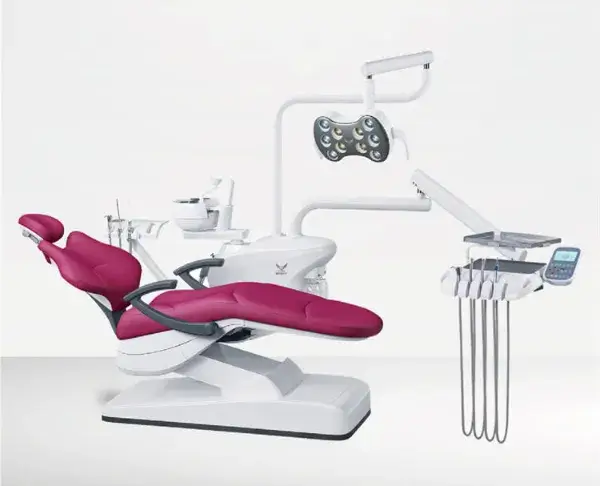
Patients notice smoothness right away. Electric chairs glide without noise or shakes, easing anxiety during long sessions. Hydraulics deliver quiet, vibration-free shifts too, thanks to fluid mechanics. Comfort ties into features like adjustable headrests and armrests. Both types reduce tension, but electric ones might add massage options for extra relaxation. Noise comparison? Hydraulics often win for silence, perfect in calm environments.
Faster adjustments mean less downtime between patients. Electric chairs with presets let dentists jump into procedures quick. Save time on repetitive tasks like cleanings or fillings. Hydraulics provide smooth movements that keep things flowing without interruptions. Easy positioning opens up the oral cavity better, boosting outcomes. In a packed schedule, these tweaks add up to more patients seen per day.
Electric models sync up with lights, delivery systems, and imaging gear seamlessly. Smart integrations pull everything together for streamlined work. Hydraulics integrate well too, especially with instruments and accessories. Many come designed for that, enhancing organization. Picture a chair that holds tools in reach, no more fumbling around mid-procedure. Compatibility matters for overall clinic setup.
Precise positioning cuts strain on backs, necks, and shoulders. Electric chairs allow custom settings to match the dentist’s height and angle. Hydraulics support correct posture with rotatable bases and supportive backs. Long hours wear anyone down, but ergonomic designs fight fatigue. Clinics using advanced electric chairs report less tiredness at day’s end. Same goes for hydraulics, they protect teams from unnecessary aches. Oh, and some dentists mention how these features make all the difference after marathon sessions.
Electric models boost efficiency with automation. Programmable spots and tech integrations handle high traffic. Big clinics benefit from speed and extras that keep things humming. If digital tools dominate the space, electric fits like a glove.
Hydraulic chairs stay reliable without breaking the bank. They suit spots where cost matters most. Durability means fewer headaches down the line. New or temporary setups often grab these for their portability and basic strength. Think entry level options that still deliver on essentials.
Hydraulics raise concerns about fluid leaks, though modern designs minimize that. Electric risks come from malfunctions in wiring. Both meet medical safety standards if maintained right. Compliance keeps patients safe, no shortcuts there. Environmentally, electric might edge out by avoiding fluid waste, but it depends on clinic practices.
Gladent engineers both electric and hydraulic systems with a focus on performance. Their chairs blend durability, ease of use, and customization. Long term service backs up every model, helping clinics tweak setups as needed. Gladent optimizes for smooth operation and patient comfort, drawing from real clinic feedback. It’s about making tools that last and adapt.
No chair fits every clinic perfectly. Efficiency hinges on goals like speed, budget, or setup size. Electric boosts modern automation, while hydraulic delivers steady reliability. Future trends point to hybrid and smart chairs for even better precision in dentistry. Weigh options carefully to amp up your practice.
Hydraulic chairs use robust materials like steel frames and medical grade upholstery. They withstand daily wear and need little maintenance, lasting years in busy clinics.
Yes, often due to advanced features and tech. But they save time and integrate better, which can offset costs in high volume practices.
Features like adjustable headrests, armrests, and soft padding reduce anxiety. Patients relax more, making treatments smoother for everyone.
Both help, but electric chairs offer more programmable positions to reduce strain. Hydraulics provide supportive designs that prevent fatigue too.
Many brands, including Gladent, offer options for colors, surfaces, and add-ons to match clinic themes and boost professional image.
 No. 1, No. 2, Fenggang Industrial Zone, Lianhe, Luocun, Shishan Town, Nanhai District, Foshan City, China
 Call us now:+86-757-81267151