In dentistry, the dental chair acts as the main piece in the treatment room. It greatly affects how well procedures go, how comfortable the dentist feels, and how patients view their visit. This special gear goes beyond simple seating. It includes exact mechanical parts, built-in utilities, and body-friendly setups. These help give clear access to the mouth while cutting down on strain for the dentist. Over many years, dental chairs have grown from basic models to advanced ones. They now feature smooth position changes, built-in tools, and strong ways to fight germs.
Modern dental chairs focus on steady work, clean design, and fit for different treatments. They allow many kinds of care by letting patients sit in the best spots and lowering tiredness for the dentist. This close look covers basic meanings, main parts, tech upgrades, delivery setups, types, body-friendly design, germ control features, and smart ways to pick one.
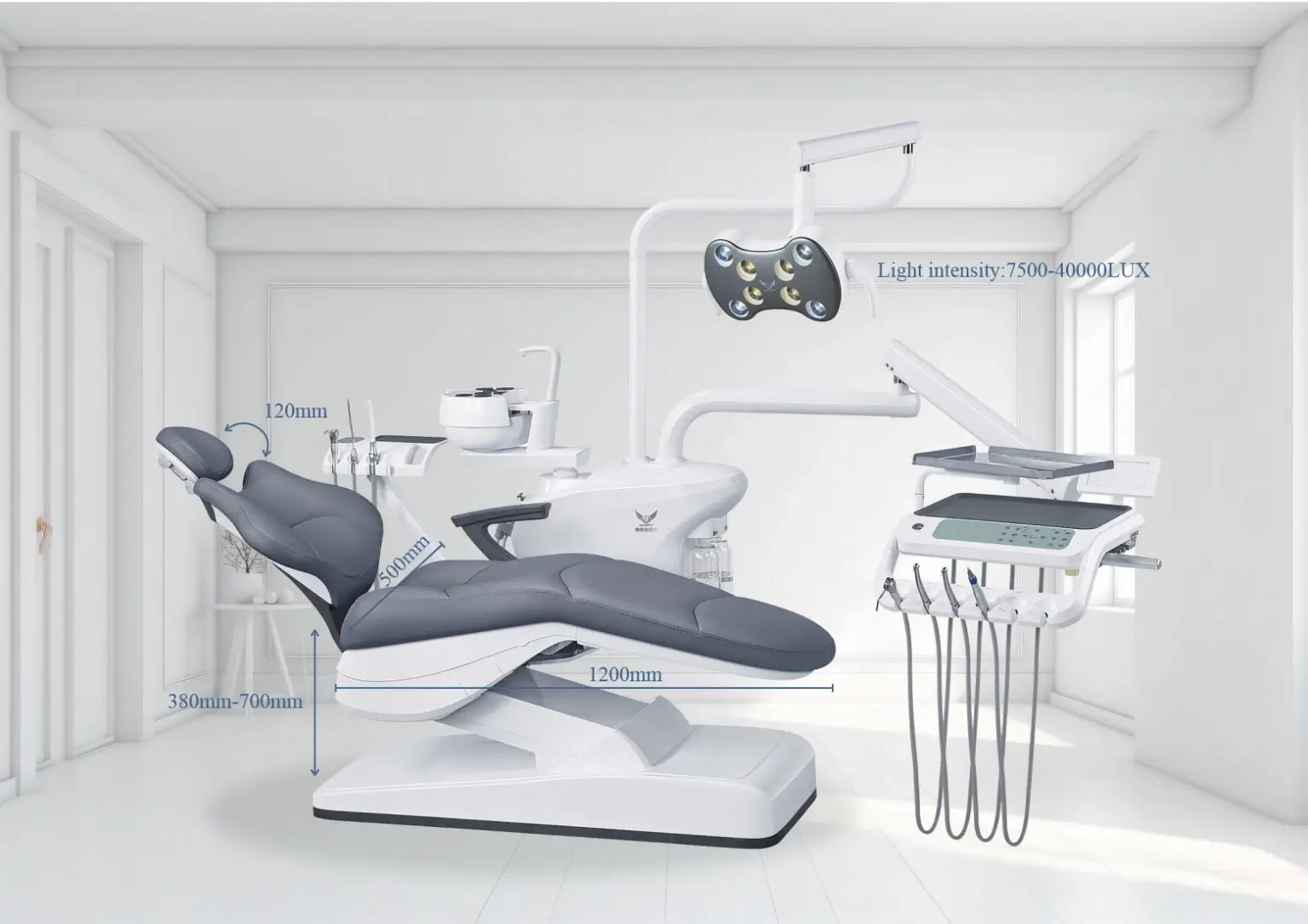
A dental chair works as a carefully built medical tool that holds patients in place for good dental work. It has many ways to move so the dentist can see and reach the mouth clearly. It also gives supportive padding to keep patients steady and comfortable during the whole treatment. Main features include matched moves of the seat, back, and headrest. These work together with tool delivery systems for air, water, suction, and power.
The build of a dental chair brings together linked pieces made for steady hold, useful work, and cleanliness:
Delivery systems decide how easy tools are to reach and how work flows. Main kinds include:
Each setup affects body comfort. Top-mounted ones often get picked for less strain in helper-based work.
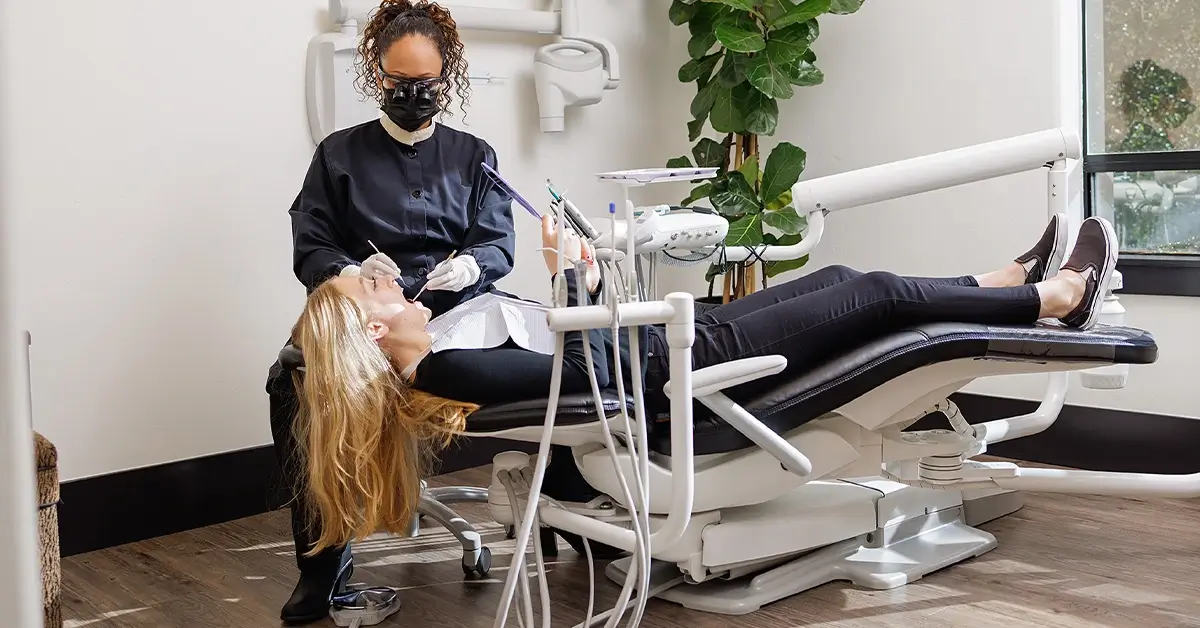
New units add features that improve exactness and ease of use:
Types come from power methods, move ability, and special fits.
Electric power rules top setups for exact auto moves.
Hydraulic systems use fluid pressure for stable, quiet moves. Models like Gladent’s GD-S600 feature imported hydraulic pumps for smooth lift and recline, high weight hold (up to 200 kg), and simple mechanical build with few electric parts.
Small, easy-to-move designs like Gladent’s GD-S350 Mobile Trailer Type use light materials and built-in utilities for outside or extra use.
Smaller sizes, fun looks, and supportive shapes lower fear while keeping good mouth access.
Stronger builds and better stability fit surgery needs.
Units like Gladent’s GD-S800 add auto pipe cleaning, linked safety systems, and germ-resistant surfaces.
Body-friendly design meets needs for both dentist and patient. For dentists, adjustable heights and tool reach keep neutral body positions. This cuts muscle and joint strain risks. Patient-focused parts include natural shapes, lower and upper back support, and smooth changes to lower pressure spots during long treatments. Jointed headrests and matched back moves give best mouth access without too much leaning from the dentist.
Cleanliness stays very important. Smooth covers, germ-killing layers, and few gaps allow full cleaning. Auto flush systems and touch-free controls cut hand contact. Built-in waterline care stops germ buildup. This matches strict clean rules.
Picking involves step-by-step checks:
Top-mounted systems organize hoses via retractable arms for hygienic, assisted workflows, whereas hanging systems enable unrestricted, direct access suited to independent practice.
Electromechanical models deliver finer positional accuracy and reduced noise, with extended service intervals, while hydraulic variants emphasize mechanical robustness and simpler upkeep.
CE marking, ISO compliance, and relevant regulatory approvals confirm adherence to safety and performance standards.
Adjustable heights, neutral posture facilitation, and minimized reach distances mitigate strain and support sustained productivity.
Dental practices, distributors, and institutions requiring premium, CE-certified dental chairs benefit from Gladent‘s expertise as a dedicated manufacturer, supplier, and factory in Foshan, China. Since 2013, Gladent has exported models including the GD-S600 hydraulic series, GD-S800 disinfection-focused units, and GD-S350 mobile configurations to over 50 countries. Offering stable quality, competitive pricing, and ODM/OEM services, Gladent provides durable, performance-oriented solutions. Reach out at +86-757-81267151, gladent08@dental-chair.cn, or WhatsApp +86 13543616157 to obtain specifications, quotations, or customized proposals from a proven dental unit manufacturer and supplier.
 No. 1, No. 2, Fenggang Industrial Zone, Lianhe, Luocun, Shishan Town, Nanhai District, Foshan City, China
 Call us now:+86-757-81267151