Dental chairs form a key part of today’s dental offices. They blend patient comfort with dentist efficiency. These special medical devices hold patients steady during treatments. At the same time, they bring together important tools and controls for smooth work. New changes in design, materials, and tech have turned dental chairs into advanced treatment stations. This guide covers basic meanings, differences from dental units, main types, parts, uses, important buying points, and fresh developments. It helps dental workers pick the right gear.
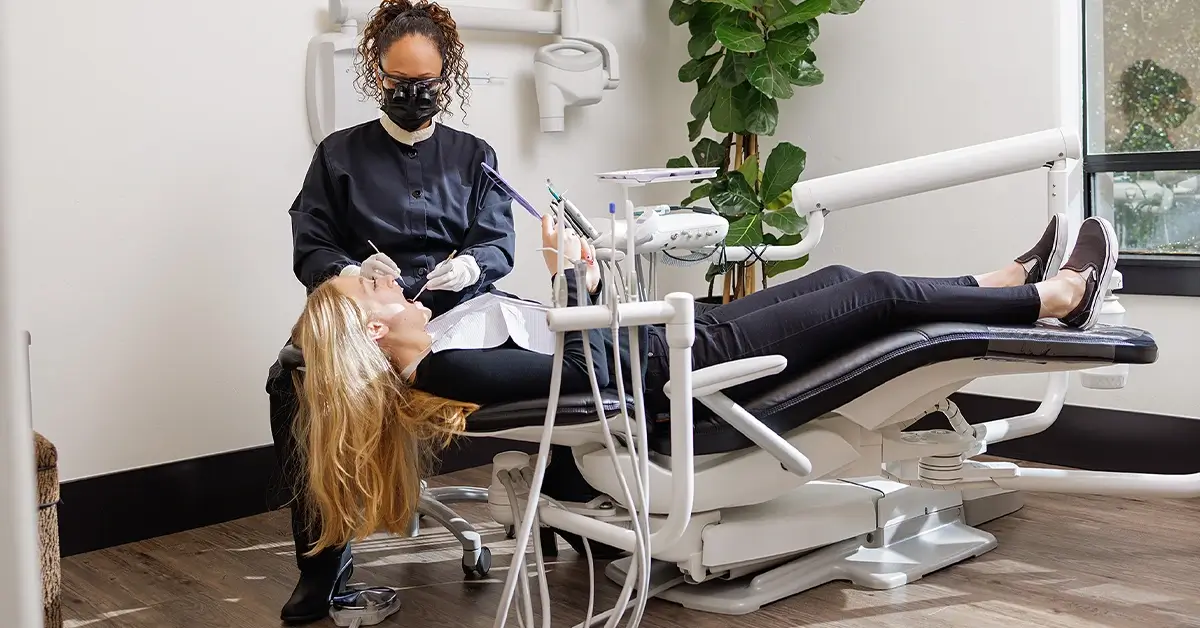
Dental chairs act as special seats built to give great comfort and steady support in mouth checks and treatments. They handle many body positions. These range from straight up to completely flat. This keeps patients calm and relaxed. It also lets dentists reach spots easily and exactly. In some places, people call them dentist chairs or treatment chairs. These units include helpful ergonomic parts, movable pieces, and built-in extras. All of this improves work flow and makes patients feel better.
A usual difference in dental gear names sets the dental chair apart from the larger dental unit. The dental chair points only to the seat part for patients. It centers on positioning, support, and comfort items like height changes, tilting back, and headrest movement.
On the other hand, a dental unit covers the whole treatment setup. It includes the chair along with added pieces. These are delivery systems (instrument trays, handpiece holders), suction tools, spittoon (cuspidor), operating light, and helper tools. The chair makes up the main base. But the unit gives the full working system for complete dental care.
Dental chairs mainly split into two groups based on how they move: hydraulic and electromechanical. Each kind uses different methods to handle positioning and motion.
Hydraulic dental chairs work with fluid power. They use pumps, valves, and hydraulic cylinders for gentle lifting and tilting. These chairs stand out for strong weight support and very quiet action. So they fit well for patients of different sizes and long treatments. Many have simple lever or button controls. Adjustments feel easy and direct. The motion starts and stops gently to cut down on patient unease. Hydraulic setups stay common because they prove dependable and save money in normal clinic settings.
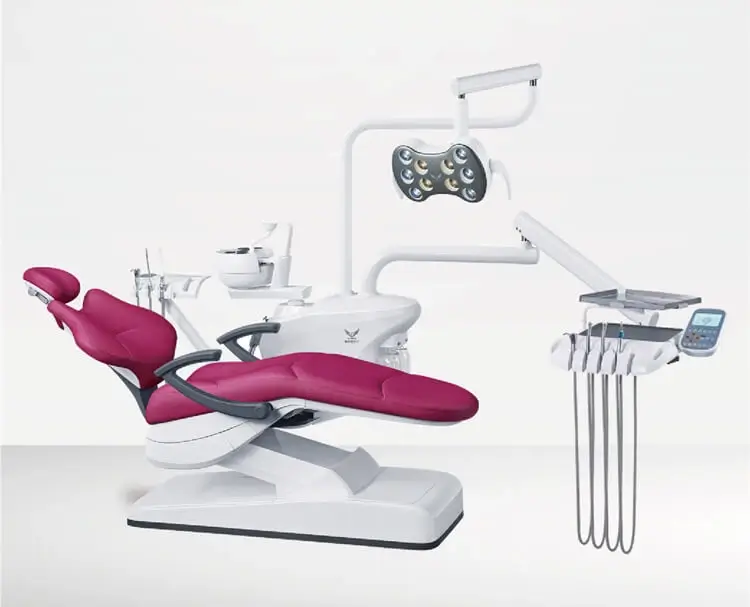
Electromechanical, or electronic dental chairs rely on electric motors. These give exact control over lifting and tilting actions. Most come with two motors. One handles up-and-down motion. The other manages backrest tilt. Such models provide preset positions. This allows quick switches between different steps in treatment. Benefits include better precision, lower sound in newer versions, and memory options that save personal setups. Newer ones focus on saving energy and linking with digital screens.
Basic dental chairs have several main parts. These help with function and user comfort:
Extra items can include armrests, foot controls, and built-in screens in newer setups.
Dental chairs make many procedures possible. These go from simple cleanings and fillings to harder work like implants, braces, and mouth surgery. They offer firm patient placement. This lowers strain on the dentist’s body. They also aid smooth combined work steps. Special versions meet unique demands. Examples include child-friendly styles for kids, portable ones for community programs, and models built for better cleaning to fight germs.
Picking the right dental chair means checking several points. This ensures good results and happiness over time.
Choose styles that keep patient comfort steady in all positions. Look for enough weight support, soft padding, and solid build to stop any unwanted movement.
Full features improve daily use. These cover built-in lights, suction setups, preset controls, and matching extras.
Gentle, many-direction moves through foot controls or panels allow the best patient spot for clear view and easy reach.
Electromechanical types usually have memory buttons. These store favorite setups. That makes changes between tasks faster.
New foot controls include multi-way joysticks. They give natural four-direction moves. Extra pedals handle handpiece power.
Choices go from fixed floor models for steady setups to mobile trailer styles for more options. Think about sound levels and room size.
Matching stools, cabinets, and carts finish the treatment area. They help keep things neat and quick.
Ergonomic looks affect how patients feel. Still, real function matters more than pretty style.
Thin, movable backrests and flexible headrests give support. They also let the dentist get very close.
Weigh starting price against long life. Better quality often means fewer replacements and lower repair costs.
Trusted makers with approvals (e.g., CE, ISO) bring dependability and rule-following.
Aim for at least 2-5 years of protection. Make sure after-sales help stays easy to reach.
Flexible payment plans and large-order deals help clinics and sellers buy more easily.
Costs change based on type, extras, and setup. Hydraulic models give good value in middle price ranges. Electromechanical and special ones cost more due to advanced skills. Examples from the market show solid hydraulic choices near normal clinic budgets. Premium implant or disinfection models come with stronger build and higher price.
New changes focus on better linking, cleanliness, and user-focused style. High-definition screens show working status and auto-clean steps. One-click disinfection in some disinfection units lowers germ spread risks. LED lights with adjustable colors help better checks. Ergonomic improvements, like cast aluminum frames and microfiber padding, increase strength and ease. Mobile and portable styles open access in many places. Smart additions aid future repairs and better work flow.
Gladent established in 2013 in Foshan, Guangdong, China, stands as a professional manufacturer and supplier of dental units and chairs under the Gladent brand. Specializing in hydraulic, integral, implant, kids, disinfection, and mobile trailer types, Gladent products feature CE certification, imported hydraulic systems in premium models like GD-S600, and durable components such as aviation-grade aluminum suction heads. Exported to over 50 countries, Gladent offers ODM/OEM services, competitive wholesale pricing, 2-5 year warranties, and reliable after-sales support through expert engineers.
Hydraulic chairs use fluid systems for smooth, quiet movement and high load capacity, while electromechanical chairs employ motors for precise, programmable positioning with greater accuracy.
Features like one-click disinfection, antimicrobial materials, and UV integration minimize cross-contamination risks.
Focus on certifications, warranty duration, customization options, after-sales service, and proven export reliability.
Mobile trailer types offer flexibility for outreach or space-limited setups, though floor-fixed models provide greater stability for fixed operatories.
Dental equipment distributors, clinic owners, hospital procurement teams, and overseas buyers seeking reliable, high-quality dental chairs benefit from collaborating with an experienced manufacturer and supplier. Gladent, as a dedicated factory and supplier, delivers CE-certified hydraulic and advanced dental units tailored for global markets, including OEM/ODM customization, competitive wholesale advantages, and comprehensive support. Contact Gladent today via email at gladent08@dental-chair.cn, phone at +86-757-81267151, or WhatsApp at +86 13543616157 to discuss bulk orders, project financing, and long-term partnership opportunities for premium dental solutions.
 No. 1, No. 2, Fenggang Industrial Zone, Lianhe, Luocun, Shishan Town, Nanhai District, Foshan City, China
 Call us now:+86-757-81267151