When buyers plan a new dental clinic or replace existing equipment, specifications are usually the first thing they compare. However, in many clinic projects, equipment performance after installation is what determines whether a Dental Chair Unit truly fits the practice.
A dental treatment room needs more than individual pieces of equipment. It requires a coordinated setup where dentists, assistants, patients, and instruments can work together smoothly during daily procedures. The selected Dental Chair Unit affects how easily clinicians access instruments, organize treatment steps, and use the available workspace.
For clinic owners, project planners, and dental equipment buyers, a Dental Chair Unit is not simply a patient chair. It is a complete working system that supports daily clinical procedures, treatment room planning, and future development.
Gladent Dental Unit provides Dental Clinic Equipment solutions for different clinical applications, including integral dental units, hydraulic dental units, and implant dental units designed for various treatment environments.
A dental treatment room is a working environment where every element needs to function together. The dentist’s position, assistant’s working area, instrument access, and patient comfort all influence how smoothly procedures are completed.
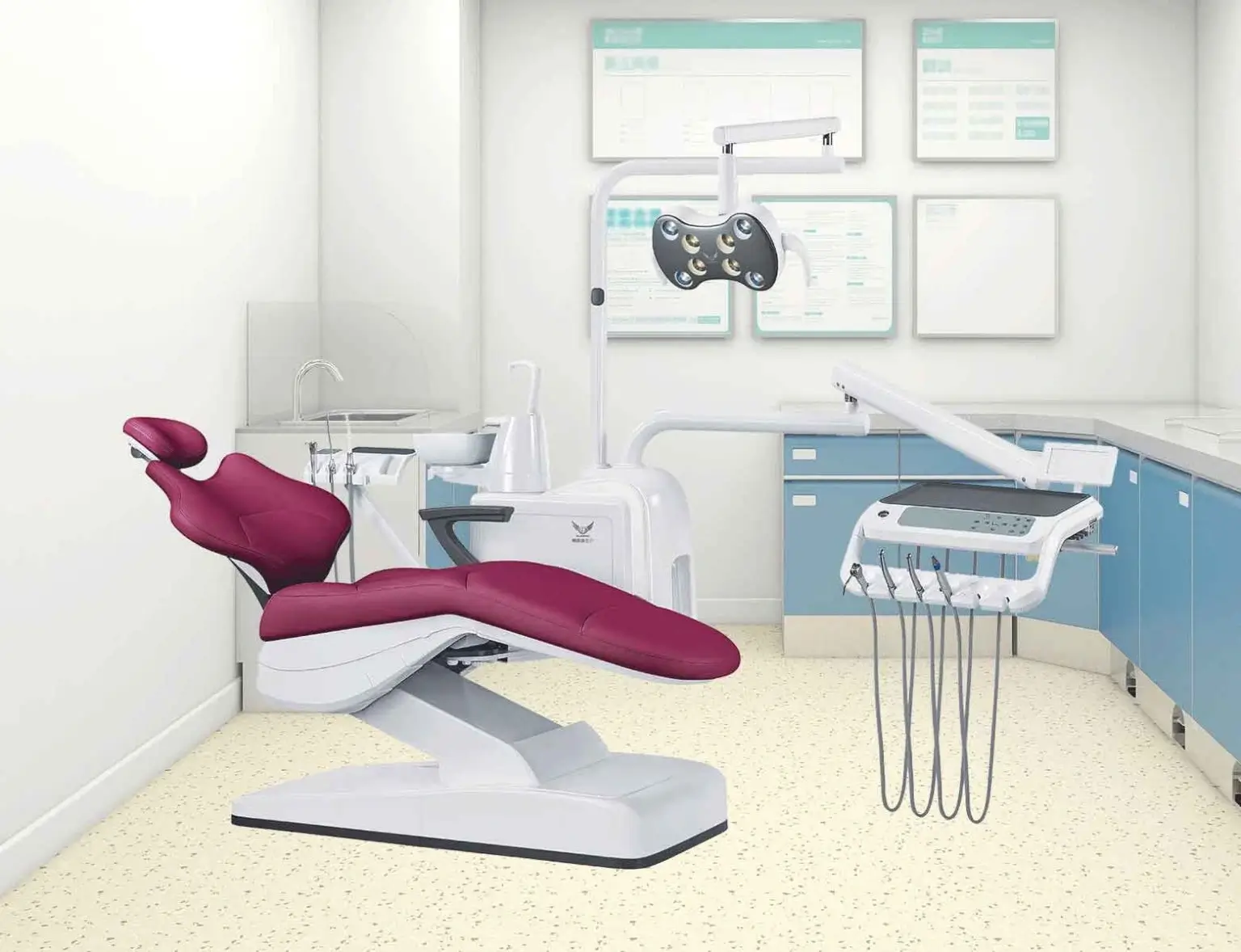
The Dental Chair Unit connects essential treatment functions into one working system, helping dentists and assistants maintain a more organized procedure flow.
A complete Dental Chair Unit usually includes:
The purpose of an integrated design is not simply to add more functions. It is to create a treatment environment where essential operations can be completed in a more organized way.
For example, during restorative treatments, dentists may need to switch between different instruments, adjust patient positions, and manage treatment steps continuously. A properly configured Dental Chair Unit helps keep these actions within a more convenient working range.
This becomes especially important for clinics with a high number of daily appointments. Small improvements in equipment arrangement can make daily procedures easier to manage over time.
Dental treatment is usually a coordinated process between dentists and assistants. Both sides need a working environment that allows quick communication and easy access to required functions.
A practical Dental Chair Unit supports this cooperation by allowing dentists and assistants to complete treatment steps with fewer interruptions.
In practical clinic environments, dentists and assistants often evaluate equipment based on how easily they can complete repeated procedures throughout the day.
During a procedure, assistants may need to prepare instruments, manage suction, or support different clinical tasks. A well-planned treatment area helps avoid unnecessary movement and keeps the workflow more consistent.
For multi-chair clinics, this consistency becomes even more valuable. Using suitable Dental Chair Units across different treatment rooms can help create similar working conditions and simplify daily management.
The right equipment does not replace clinical skills, but it provides a better environment where dental professionals can focus on patient care.
General dental practices usually require equipment that can support a wide range of daily procedures, including examinations, preventive treatments, and restorative care.
For private dental clinics, flexibility is often more important than unnecessary complexity. The Dental Chair Unit should provide practical functions that support different treatments while fitting the available treatment space.
Clinics purchasing equipment for the first time often prefer configurations that can support different procedures without creating unnecessary operational steps.
Before selecting equipment, buyers should consider:
| Consideration | Why It Matters |
| Treatment types | Different procedures may require different configurations |
| Room dimensions | Equipment should fit the treatment environment properly |
| Daily workload | Busy clinics need stable and practical operation |
| Future plans | The equipment should support possible clinic development |
For a new clinic project, selecting the right Dental Chair Unit during the planning stage helps create a treatment room that works efficiently from the beginning.
Specialized dental procedures often require different equipment considerations compared with general dentistry.
Implant-focused clinics usually pay closer attention to positioning flexibility, treatment space, and equipment arrangement. Dentists may need a stable working environment that supports longer and more complex procedures.
Before selecting an Implant Dental Unit, buyers should consider how the equipment will support the complete treatment process, including preparation, procedure steps, and daily clinical workflow.
A Dental Chair Unit designed for implant applications should match the needs of the clinical team, including workflow requirements and treatment room organization.
Gladent Dental Unit provides implant dental unit solutions for professional treatment environments. These solutions are designed for clinics that require equipment configurations suitable for specialized dental applications.
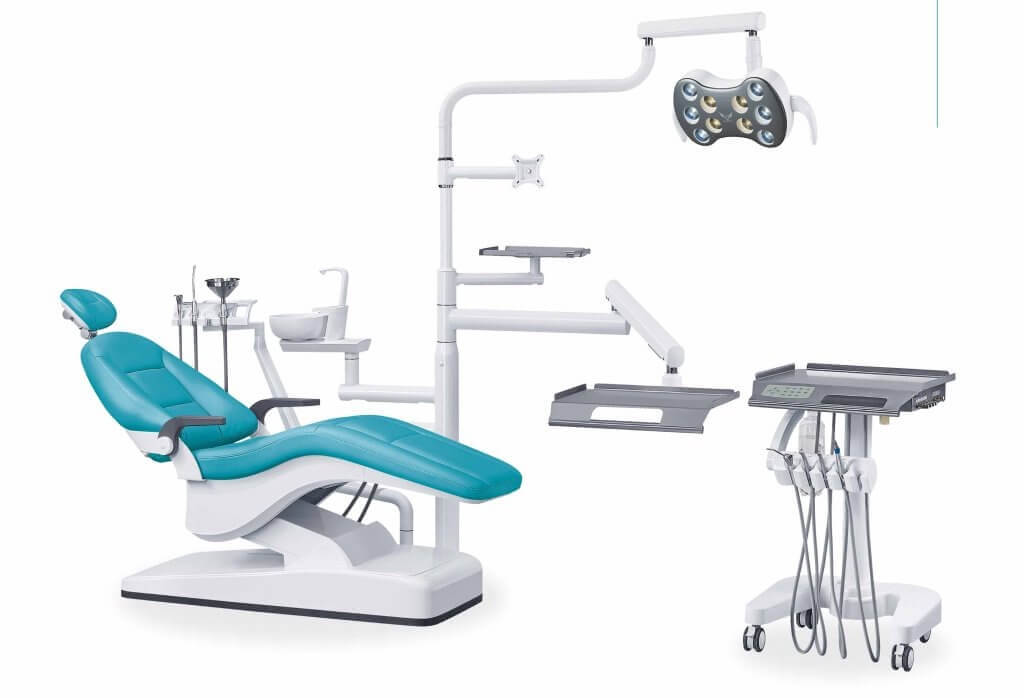
The goal is not to select the most complicated system. The goal is to choose a Dental Chair Unit that matches the actual procedures performed in the clinic.
Dental clinics can have very different layouts depending on their size, treatment focus, and future plans. A single-chair private practice may have different requirements from a multi-room dental center.
A Dental Chair Unit should be considered as part of the complete treatment room design. The position of the chair, delivery system, assistant area, and supporting equipment can influence daily working efficiency.
When planning a treatment room, buyers often evaluate:
For example, a growing dental group may need several treatment rooms with consistent layouts. Selecting suitable Dental Chair Units across different rooms can help create a more standardized working environment.
Different clinics develop in different directions. Some focus on general dentistry, while others expand into implant treatments, cosmetic dentistry, or comprehensive dental services.
Before purchasing, buyers should consider whether the Dental Chair Unit configuration matches both current and future clinical needs.
Important factors include:
A clinic planning to add implant procedures in the future may require a different configuration compared with a practice focused mainly on routine examinations.
During clinic renovation or new treatment room planning, buyers often focus on equipment functions, appearance, and configuration. However, maintenance accessibility becomes an important consideration after the Dental Chair Unit is installed and used every day.
Components that are easier to access can make routine checks and servicing more practical for clinic staff and technicians. This is especially important for dental practices that operate multiple treatment rooms and rely on stable equipment availability.
A Dental Chair Unit is a long-term investment for a clinic. Before placing an order, buyers usually evaluate the initial setup as well as how the equipment can support daily operation over the coming years. The expected service life of Dental Chair Units is one factor that helps clinics plan their equipment investment more effectively.
Choosing dental equipment requires more than comparing product specifications. Buyers need to consider how the equipment will perform after installation and whether it matches the daily requirements of the clinic.
Gladent Dental Unit provides Dental Clinic Equipment solutions for different clinical applications, including integral dental units, hydraulic dental units, and implant dental units. The product range is developed around practical treatment requirements, allowing clinics to select configurations based on their procedures and workspace planning.
Through communication with overseas clinic projects and dental equipment buyers, Gladent understands that equipment selection is not only about product functions but also about how the unit performs in daily clinical environments.
For clinics, the goal is to create a functional treatment environment. For project buyers, the goal is to select equipment that matches the needs of the final users.
Before ordering dental equipment, buyers should first define how the treatment room will be used and which procedures the clinic plans to support. This helps determine the most suitable Dental Chair Unit configuration.
A well-matched Dental Chair Unit should support current clinical needs while leaving room for future treatment development. The selected equipment should fit the clinic’s procedures, available space, and working habits.
Whether you are planning a new dental clinic project, upgrading existing equipment, or looking for Dental Chair Unit solutions for your market, Gladent Dental Unit provides Dental Unit options designed for different clinical applications.
Contact Gladent to discuss your requirements and explore a suitable configuration for your project.
Q1: What should clinics consider when selecting a Dental Chair Unit?
A: Clinics should evaluate treatment types, room layout, daily procedures, and future development plans. The selected Dental Chair Unit should match the actual working environment of dentists and assistants rather than only meeting basic product requirements.
Q2: What is included in a complete Dental Chair Unit?
A: A complete Dental Chair Unit usually includes the patient chair system, delivery system, dental light, assistant unit, suction system, and other supporting functions required for clinical procedures. Depending on the application, clinics may choose different configurations for general dentistry, implant procedures, or specialized treatments.
Q3: What is the difference between an Integral Dental Unit and a standard Dental Chair Unit?
A: An Integral Dental Unit combines multiple treatment functions into a coordinated system, including the chair, delivery components, lighting, and supporting features. This integrated design can help create a cleaner and more organized treatment area.
Q4: What type of Dental Chair Unit is suitable for implant procedures?
A: Implant-focused clinics usually consider factors such as positioning flexibility, workflow arrangement, treatment space, and required functions before selecting equipment. The suitable Dental Chair Unit configuration depends on the clinic’s specific treatment process.
Q5: Can Dental Chair Units be configured for different treatment room sizes?
A: Yes. Dental Chair Units can be selected according to room dimensions, clinical applications, and practice requirements. Different treatment room layouts may require different equipment arrangements to create a practical working environment.
 No. 1, No. 2, Fenggang Industrial Zone, Lianhe, Luocun, Shishan Town, Nanhai District, Foshan City, China
 Call us now:+86-757-81267151