Dental chairs act as key equipment in modern dental clinics. These units bring together comfortable patient seating and built-in delivery systems. The systems help support smooth clinical procedures. Manufacturers have changed dental chairs over time. They moved from basic adjustable seats to complex platforms. These platforms now include programmable movements, built-in lighting, and better ergonomic designs. Dental professionals check dental chair cost with care. The investment has a direct effect on how well the clinic runs, how happy patients feel, and the long-term success of the practice. Many different factors decide the final price of a dental chair.
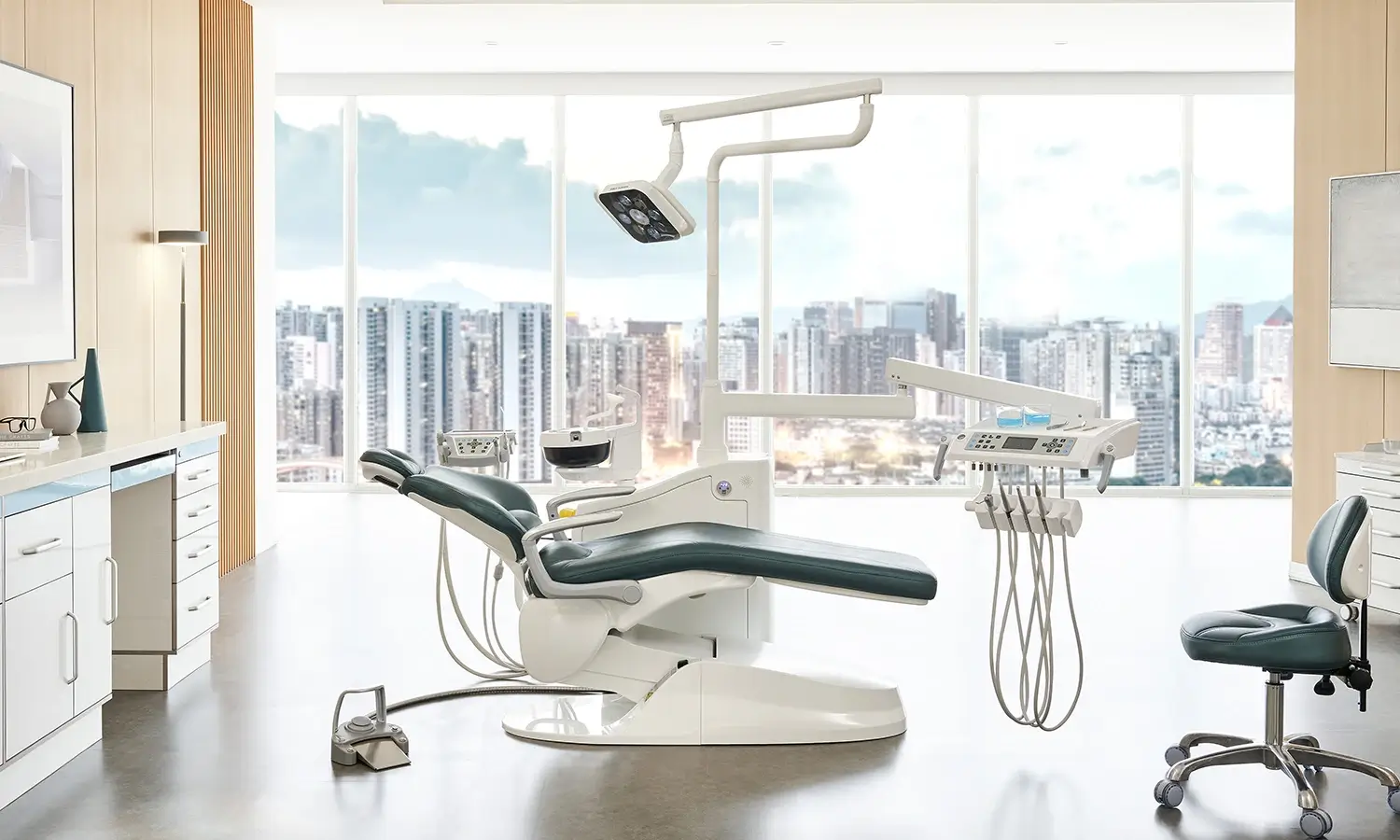 Dental Chairs – Main Features That Affect Total Cost
Design serves as a basic factor. It helps shape dental chair cost. Better designs focus on patient comfort. They use shaped seating surfaces and good lumbar support. These parts help lower patient worry during treatment. Clinics that see many children or nervous patients often pick chairs with wider seats and softer padding. Such design changes need extra engineering and testing. As a result, they raise manufacturing costs. Ergonomic points for the dentist also affect the price. Chairs that let the operator get close without limiting patient position require exact structural work and stronger frames. Manufacturers put resources into balancing looks with how the chair works. This leads to higher dental chair cost for models that give smooth connection between patient and practitioner needs.
Construction quality has a direct impact on how long dental chairs last and how much they can move. High-grade frames use strong metal alloys. These alloys handle repeated adjustments for many years. The number of mechanical joints and pivot points decides the chair’s range of motion. Models with several articulated sections give more flexibility. They work for patients of different heights and body types. Yet each extra joint adds complexity to the assembly process. It also raises production expenses. Padding thickness and density help keep comfort steady. They also absorb stresses from daily use. Premium construction includes shock-absorbing mechanisms. These ensure smooth changes between positions. The features stop sudden jolts. Such jolts could upset patients or break clinical focus. Strong construction extends the chair’s service life. It justifies a higher initial dental chair cost. The reason is fewer replacements over time.
Material selection plays a key role in both the initial dental chair cost and performance over the years. Frames made from high-grade stainless steel or aircraft-grade aluminum give better strength. They also resist corrosion from disinfectants. Upholstery materials differ a lot in price and how well they hold up. Polyurethane surfaces offer a good balance. They are tough and easy to clean. Premium leather options give nicer feel and comfort, but they cost more. Some manufacturers add antimicrobial coatings. These stop bacterial growth on surfaces that people touch often. The treatments raise material expenses. Still, they help meet stricter infection control rules. Headrest components often use lightweight rigid composites. These keep their shape under frequent repositioning. Material choices decide how well the chair resists wear, stains, and mechanical problems in daily clinical use.
General components make up the core structure of dental chairs. They account for a large part of the overall pricing.
The base, backrest, seat, and armrests form the primary structural elements. Bases include hydraulic or electric lift mechanisms. These allow precise height adjustment. Backrests offer enough lumbar support. They keep a slim profile so the operator has free access. Armrests that swivel or fold make it easy for patients to get in and out. Each component goes through strict load testing. This ensures safety during continuous operation.
Upholstery materials influence patient comfort and how much maintenance is needed. Seamless polyurethane covers resist fluid penetration. They also make disinfection simpler. Higher-grade options have multi-layer foam. This foam spreads pressure evenly and cuts fatigue during longer appointments.
Modern dental chairs show clean lines and neutral colors. These create a welcoming clinical environment. Integrated designs hide wiring and tubing for a neat look. Customizable upholstery colors and metallic accents improve visual appeal. They do this without hurting functionality.
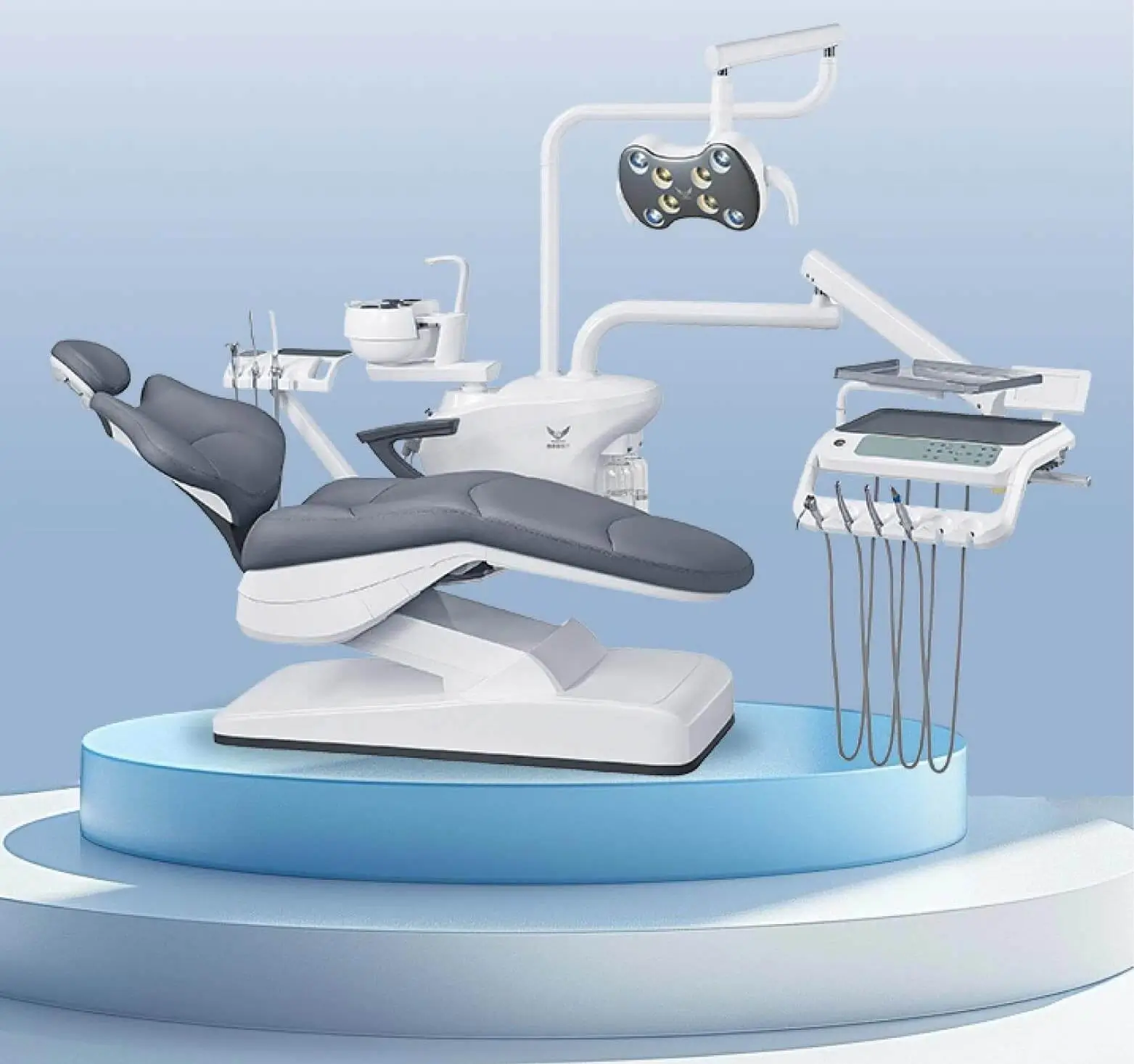 5. Main Functionalities of the Dental Chair
Functional capabilities set basic models apart from advanced systems. They explain large parts of dental chair cost.
Delivery units hold handpiece connections, syringes, and control interfaces. Different mounting styles exist. These include over-the-patient, continental, and 12 o’clock rear-mounted systems. Each style needs its own engineering approach. This affects pricing. Integrated water and air lines must keep steady pressure. Steady pressure ensures reliable instrument performance.
Control interfaces go from simple buttons to easy touchscreens. Touchscreen panels let operators save and recall multiple preset positions fast. Advanced systems have safety interlocks. These prevent movements that were not intended.
Programmable positioning systems allow quick shifts between treatment postures. Memory functions store custom settings for different operators. Hydraulic or electric actuators provide smooth and quiet motion. This motion reduces patient discomfort. Swivel bases with locking mechanisms give the best access angles.
Foot pedals lower cross-contamination risks. They remove the need for hand contact during procedures. Multi-function pedals control chair movement, handpiece activation, and preset selection. They do this without breaking workflow.
Accessories extend core functionality. They act as variable cost components.
LED operating lights give bright, shadow-free illumination. They produce little heat. Models with adjustable intensity and color temperature meet various clinical needs. They also offer long service lives that exceed 50,000 hours.
Assistant arms bring saliva ejectors, high-volume suction, and cuspidors together in ergonomic positions. Ceramic spittoons resist staining. They also make cleaning easier. This improves efficiency in four-handed dentistry.
Integrated X-ray viewers offer immediate reference during procedures. Rotatable designs with adjustable LED backlighting fit different sensor types. They help streamline diagnostic workflows.
Dental chair prices usually range from approximately $1,000 for basic models to $7,000–$9,000 for advanced configurations. Delivery units alone can cost $6,000 to $9,000. The cost depends on style and features. Additional items such as double-articulated headrests add $500 to $800. Shipping, installation, and customization fees also affect the final amount. A full evaluation balances the purchase price against expected service life and operational efficiencies.
Dental practices select from several specialized categories. They choose based on specific needs.
These all-in-one systems combine the chair with delivery and suction components. They suit general dentistry practices.
Hydraulic models provide reliable lifting power and smooth operation. They come at competitive price points.
Children’s chairs have scaled dimensions, colorful designs, and engaging elements. These help reduce anxiety.
Specialized surgical units give enhanced stability, higher weight capacity, and extended articulation. They allow precise positioning.
Compact portable systems support outreach programs and temporary clinics. They still keep essential functions.
These units include automated pipeline flushing and antimicrobial surfaces. They meet stringent infection control requirements.
Modern dental chairs include measurable parameters. These parameters guide purchasing decisions. Lifting capacities usually range from 200 to 300 kilograms. Backrest tilt angles often exceed 180 degrees for full supine positioning. Motor systems operate quietly below 50 decibels. Compliance with CE certification and international safety standards ensures reliable global performance. These specifications let clinics compare models in an objective way when they assess dental chair cost.
Dental chair prices generally range from approximately $1,000 for basic models to $7,000–$9,000 for advanced configurations.
Design complexity, construction quality, material selection, functional capabilities, and accessories are the primary cost drivers.
Well-constructed dental chairs with proper maintenance can provide reliable service for up to ten years or more.
CE marking and compliance with international medical equipment standards indicate adherence to safety and quality requirements.
Many manufacturers offer customization for upholstery colors, delivery unit configurations, and accessory packages.
Dental equipment wholesalers, clinic chain operators, and international distributors seeking reliable partners should contact Gladent as an established dental unit manufacturer and supplier. The company operates as a professional factory that produces high-quality dental chairs and comprehensive treatment units with consistent performance standards. Business inquiries about OEM production, bulk wholesale orders, or customized configurations receive prompt attention through dedicated B2B channels. Gladent offers competitive factory-direct pricing supported by stable supply capabilities and global export experience. Interested parties can reach the manufacturer to discuss partnership opportunities, request catalogs, or arrange factory visits. As a trusted dental chair supplier with proven manufacturing expertise, Gladent supports long-term cooperative relationships that deliver value through quality products and responsive service.
Contact: Phone +86-757-81267151, Email gladent08@dental-chair.cn, WhatsApp +86 13543616157. Factory address: No. 1-2, Fenggang Industrial Zone, Lianhe, Luocun, Shishan Town, Nanhai District, Foshan City, Guangdong, China.
 No. 1, No. 2, Fenggang Industrial Zone, Lianhe, Luocun, Shishan Town, Nanhai District, Foshan City, China
 Call us now:+86-757-81267151